Betamax was the better tape, so why did VHS win?
The format war that filled every living room in the '80s came down to recording time, rental shelves and stubbornness.
This story has affiliate links. If you buy through them, Radazoid may earn a commission at no cost to you. How that works.
Every '80s kid knew one family who had a Betamax. Their tapes were smaller. Their dad insisted the picture was better. And by the end of the decade, they couldn't rent anything.
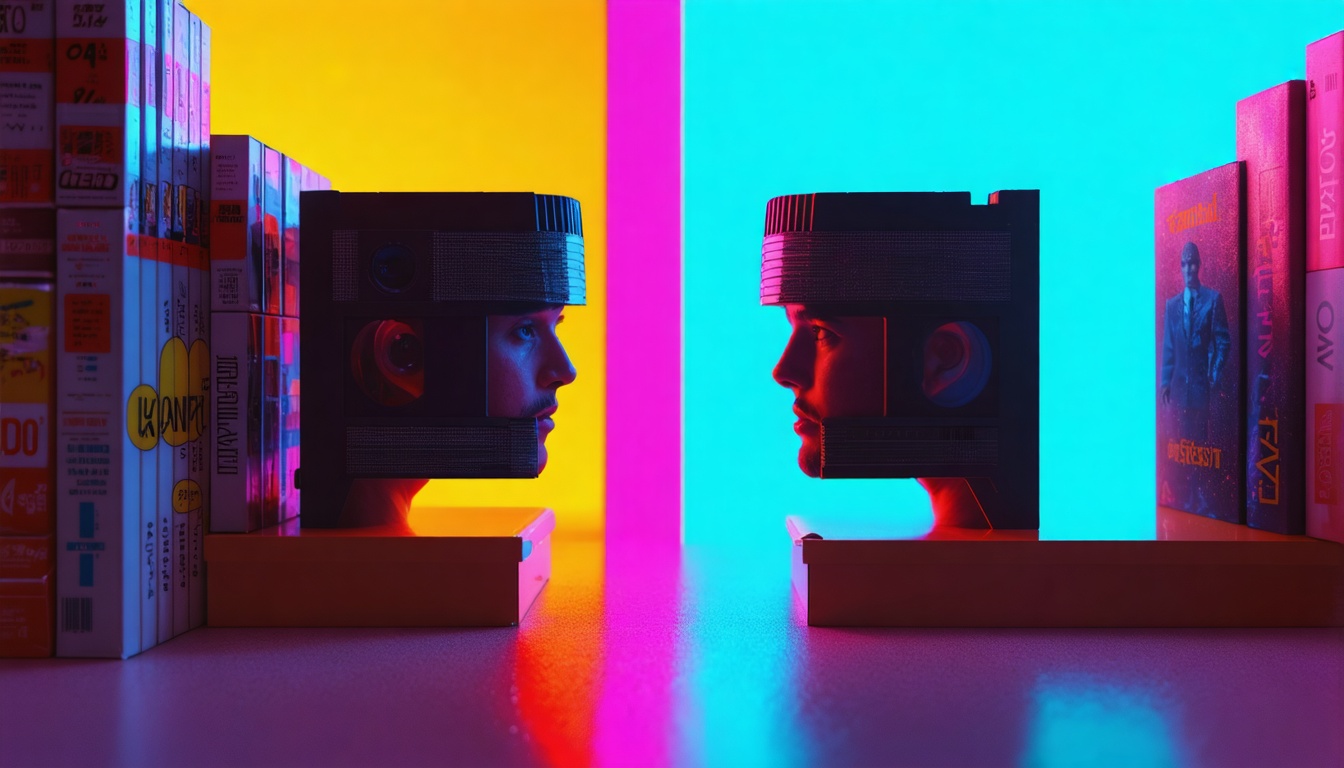
The VHS vs. Betamax fight is the original format war, and it set the template for every one since, from HD DVD vs. Blu-ray to whatever streaming service you're currently mad at.
Sony got there first
Sony launched Betamax in 1975. It was a genuinely impressive product, and plenty of videophiles believed its picture quality was a notch above what came later. Sony had a head start and a famous brand.
Then JVC released VHS in 1976 in Japan, and it reached the US in 1977. The VHS cassette was bigger and clunkier. On paper, Sony had the edge.
The thing Sony underestimated: time
Early Betamax tapes recorded about one hour. Early VHS tapes recorded two. That sounds like a small difference until you try to tape a full movie or a football game off TV. Two hours meant one tape held one movie, and buyers noticed.
Both sides kept extending recording times with slower speeds, but VHS stayed in the lead on that front, and kept the reputation as the format that could hold the whole thing.
VHS had more friends
Sony mostly wanted to control its format. JVC licensed VHS widely, so lots of manufacturers built VHS machines. More brands meant more competition, more models and lower prices. Walk into an electronics store in the early '80s and the VHS aisle was simply bigger.
The video store finished it
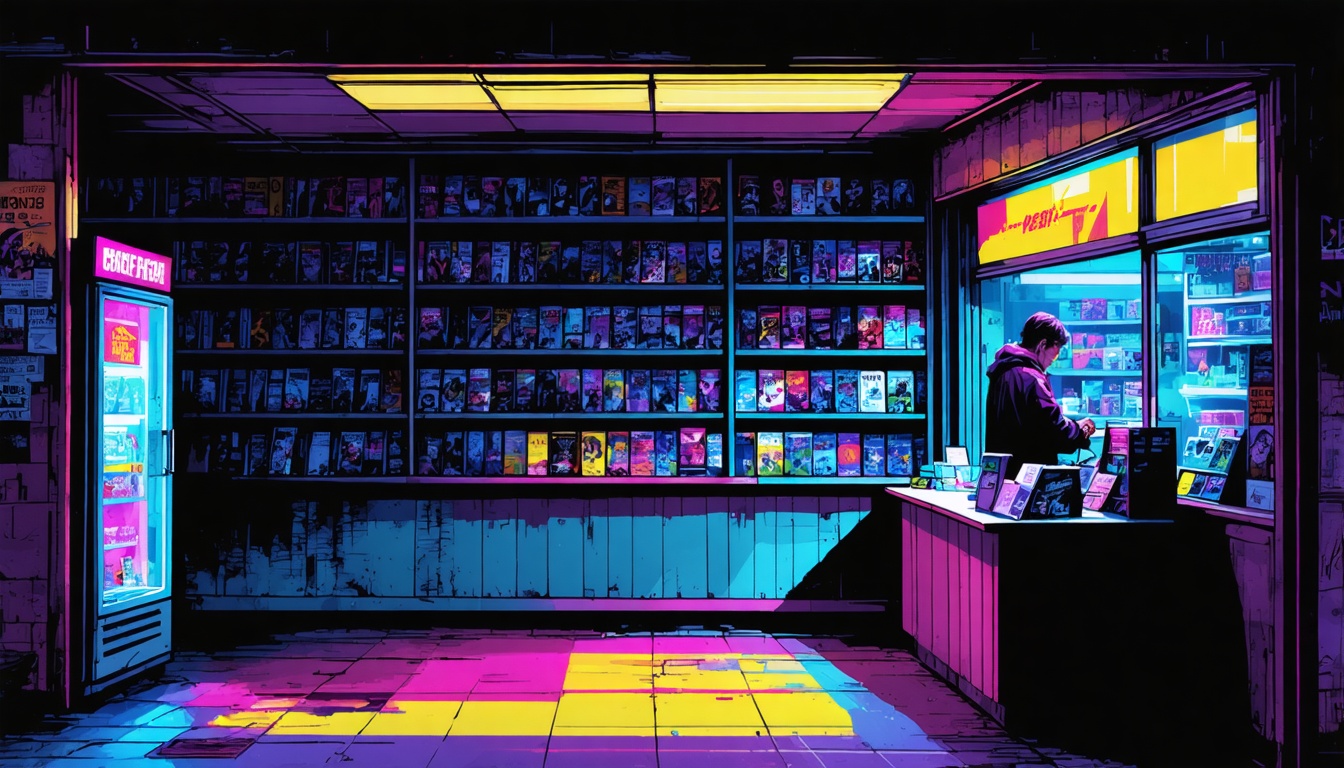
The knockout came from somewhere neither company fully planned for: rental shops. As mom-and-pop video stores popped up everywhere, owners stocked whatever most customers owned. That was VHS. More VHS owners meant more VHS tapes on the shelves, which meant more people bought VHS players. It snowballed.
By the late '80s, the Beta section at most stores was a sad little shelf in the back, if it existed at all. Sony started making its own VHS machines in 1988, which was about as clear a white flag as you can wave.
The lawsuit that saved everybody
There's one more piece worth knowing. Universal and Disney sued Sony, arguing that letting people tape shows at home was copyright infringement. The case went to the Supreme Court, and in 1984 the court sided with Sony, ruling that recording a broadcast to watch later was fair use. That decision protected every VCR, Beta and VHS alike, and arguably every DVR after it.
Beta's long goodbye
Betamax didn't vanish overnight. It survived in professional TV production as Betacam for years, and Sony kept making Betamax cassettes until 2016. That's right: they were still making the tapes when your kids were watching YouTube on an iPad.
The lesson stuck with the tech world. The best product doesn't always win. The one that's convenient, cheap, and on the shelf usually does.
If you still have a box of old family tapes rotting in the basement, now's a good time to get them digitized before the magnetic tape gives out. A VHS to digital converter is the do-it-yourself route.