
Bob Dylan: Essential albums and songs for the guy who grew up on his music
From protest anthems to electric masterpieces, here's Dylan's essential catalog.
This story has affiliate links. If you buy through them, Radazoid may earn a commission at no cost to you. How that works.
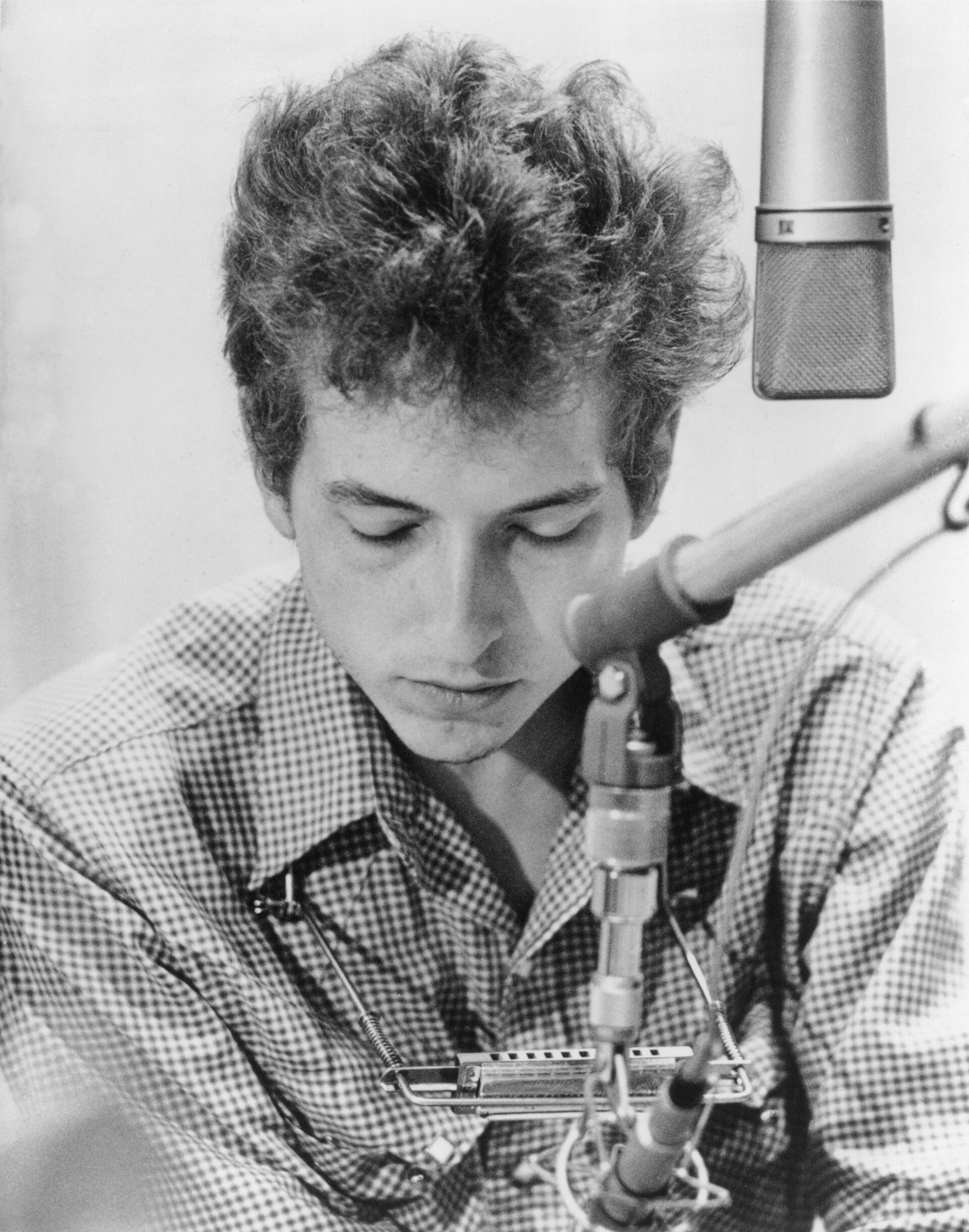
Bob Dylan is one of the greatest songwriters of all time, and his influence on popular music over his decades-long career shaped the soundtrack of your youth. Whether you caught his protest anthems on the radio, heard his electric rock experiments, or discovered his later work, Dylan's catalog is deep enough to reward repeated listening and smart enough to reveal new layers every time you come back to it.
The Breakthrough Albums: Where to Start
The Freewheelin' Bob Dylan (1963) is the album that made Dylan a household name. It introduced "Blowin' in the Wind" and "A Hard Rain's a-Gonna Fall," songs that became anthems for the civil rights and antiwar movements. If you want to understand how Dylan went from folk singer to cultural force, this is the place to begin.
Watch it: Blonde on Blonde (Vinyl) on Amazon (The album called 'one of the greatest ever made'—vinyl captures the Nashville sound Dylan intended)
If you're looking for something heavier, Highway 61 Revisited (1965) is the moment Dylan went electric and didn't look back. "Like a Rolling Stone," a six-minute single that opens the album, expanded what rock music could do. It's confrontational, it's brilliant, and it still sounds dangerous.
Blonde on Blonde (1966), a double album recorded in Nashville, is widely considered one of the greatest albums ever made. If you've never sat down and listened to it straight through, you're missing something.
The Classics You Already Know
"The Times They Are a-Changin'" (1964) became the protest song of a generation. "Knockin' on Heaven's Door" (1973), from the Pat Garrett & Billy the Kid soundtrack, is so good that it's been covered by everyone from Eric Clapton to Guns N' Roses and still sounds like Dylan's song.
"Like a Rolling Stone" (1965) is the one that changed everything. Six minutes long when most radio singles were three, it's a masterclass in how to build tension and deliver a gut punch. The harmonica riff alone is worth the price of admission.
"Tangled Up in Blue" (1975) is the opening track on Blood on the Tracks, an album Dylan recorded years after his 1966 motorcycle crash and a period away from touring. It's a story song that unfolds like a memory, and it's proof that Dylan could still write at the highest level.
The Deep Cuts Worth Your Time
Blood on the Tracks (1975) is Dylan's return-to-form album and one of his best. Every track is worth hearing, but "Tangled Up in Blue," "Simple Twist of Fate," and "Idiot Wind" are masterpieces. If you only know Dylan from the radio, this album will show you why he matters.
John Wesley Harding (1967) and Nashville Skyline (1969) show Dylan exploring country and rural themes after stepping back from the spotlight. They're quieter, stranger, and more rewarding than his early albums. New Morning (1970) continues that thread.
The Basement Tapes (1975) was recorded with the Band during Dylan's time away from touring in the late 1960s. It's a rambling, intimate collection that sounds like friends playing music in a basement. It's essential listening for anyone serious about understanding Dylan.
The Later Work: Still Writing Great Songs
In the late 1970s, Dylan converted to Christianity and recorded gospel music. Whether that era speaks to you depends on your taste, but it shows Dylan's willingness to follow his convictions wherever they led.
Time Out of Mind (1997) earned major Grammy recognition and proved that Dylan was still capable of making relevant, powerful music decades into his career. It's a masterpiece of late-period Dylan.
Dylan has been on the Never Ending Tour since the late 1980s, constantly performing and refining his catalog. He's also published books of paintings and drawings and a memoir, Chronicles: Volume One (2004), which is worth reading if you want to understand how he thinks.
Where to Listen and Watch
Dylan's music is available on every streaming service. Start with the albums above, then explore his discography—he's recorded dozens of albums, and there's always something new to discover. His documentary No Direction Home (2005), directed by Martin Scorsese, is an excellent introduction to his life and work. The biopic A Complete Unknown tells the story of his rise in the 1960s.
Dylan has been inducted into the Rock and Roll Hall of Fame and the Songwriters Hall of Fame. He was awarded the Nobel Prize in Literature. That's not hyperbole—that's just the measure of the man's impact.
Quick answers
What's the best Dylan album to start with?
Start with The Freewheelin' Bob Dylan (1963) for the folk classics or Highway 61 Revisited (1965) if you want electric Dylan at his peak. Both are masterpieces.
Is Blood on the Tracks really that good?
Yes. It's Dylan's return-to-form album after stepping back from touring, and every track is worth hearing. "Tangled Up in Blue" alone justifies putting it on your list.
Should I listen to his gospel albums?
That depends on your taste. Dylan recorded gospel music in the late 1970s after converting to Christianity. They're sincere and worth exploring if you're interested in his full catalog.
Where can I watch Dylan documentaries?
No Direction Home (2005) by Martin Scorsese is the definitive documentary and is widely available. A Complete Unknown is a biopic covering his rise in the 1960s.
Was this worth your time?






Sound off
Disagree all you want, swear if you have to (we'll #@$%! it out). No harassment, slurs, threats, spam or links. Comments are screened before they appear, and you'll get a daily heads-up when the conversation picks up. Your email is never shown.