
Dale Earnhardt: the Intimidator's legacy and that final lap
How a seven-time Cup champion became a cultural icon—and why his death at Daytona still matters to a generation of racing fans.
This story has affiliate links. If you buy through them, Radazoid may earn a commission at no cost to you. How that works.
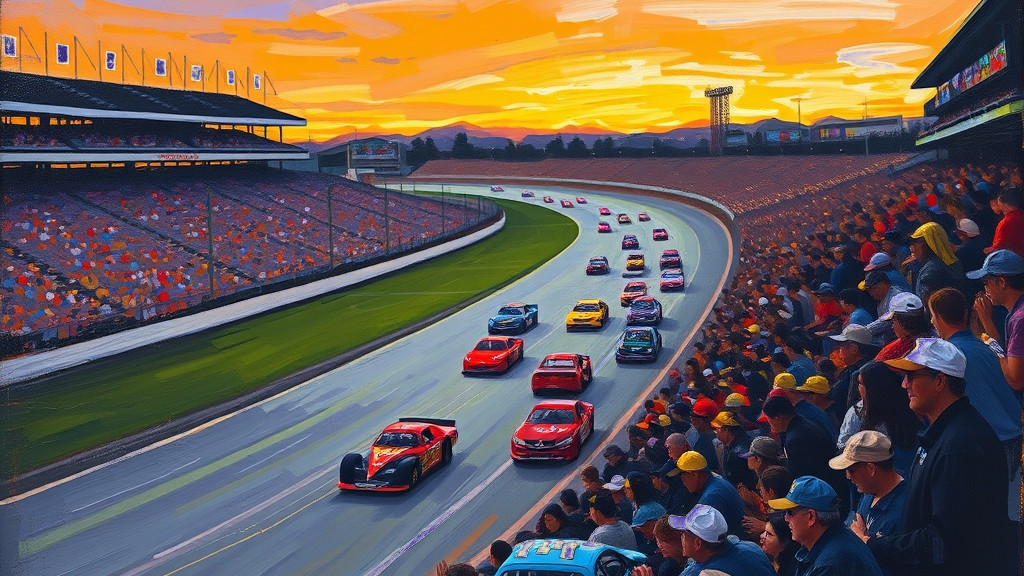
Dale Earnhardt didn't just race cars—he became a symbol of blue-collar toughness in an era when NASCAR was exploding into American culture. The seven-time Cup champion earned his nickname, the Intimidator, by driving like he had nothing to lose and everything to prove, a style that made him beloved by fans who saw themselves in his refusal to back down. His death on the final lap of the Daytona 500 wasn't just a tragedy; it was a shock that reverberated through an entire generation of racing fans.
Who was Dale Earnhardt?
Earnhardt came from racing stock—his father, Ralph, was a legendary short-track driver who taught him the game from the ground up. Dale brought an aggressive, no-quarter style to NASCAR that thrilled fans and infuriated competitors. He didn't finesse his way to wins; he muscled his way there, using his car as a weapon and his nerve as his greatest asset. He won championships, racked up wins, and became the face of NASCAR during the sport's golden age on television, when guys who worked for a living could watch a guy like them dominate on Sunday.
Get it: Dale Earnhardt: The Intimidator Biography on Amazon (Essential reading on the man himself—his rise, his dominance, and his legacy for fans who want the full story)
Why did his death matter so much?
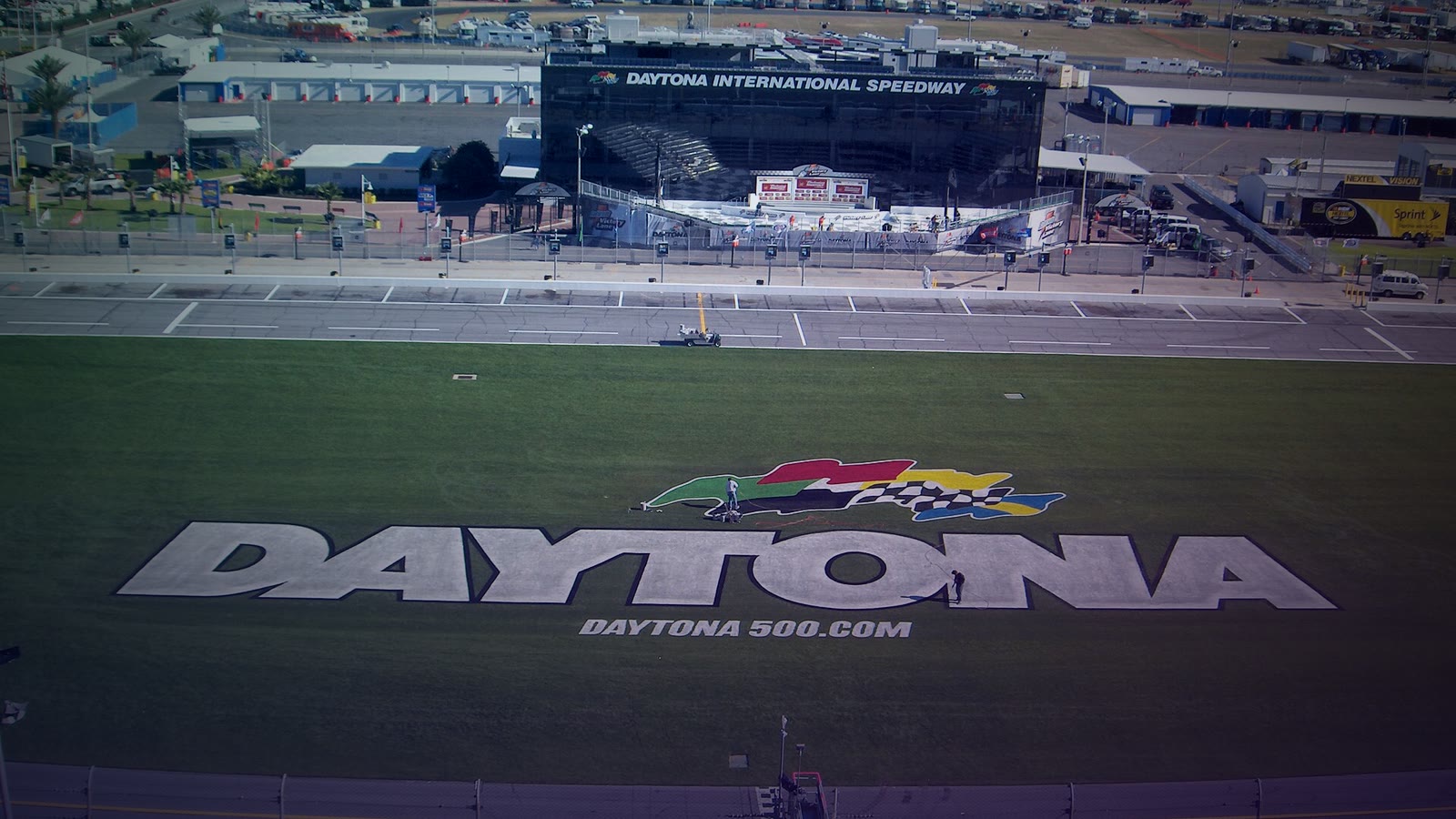
Earnhardt's crash at the Daytona 500 was a moment that stopped the country. Fans who had watched him race for years suddenly had to confront the reality that even the toughest drivers weren't invincible. The Intimidator's death forced the racing world to reckon with what it meant to push a driver to the edge—and to ask hard questions about what could be done differently. For a generation of fans, it was the day they learned that no one, not even a legend, was untouchable.
What made him different from other drivers?
Earnhardt raced like a street fighter in a sport that was becoming corporate. He didn't apologize for aggressive moves; he made them and owned them. Fans loved him because he was real—a guy who looked like he could work on his own car, who didn't have a polished PR team smoothing his rough edges, who said what he thought. In an era before every athlete was media-trained, Earnhardt felt like the genuine article. He won because he wanted to win more than anyone else wanted him to lose.
Where does he rank in racing history?
Earnhardt is remembered as one of the greatest drivers ever to climb into a stock car. His championships, his wins, and his consistency put him in the conversation with the all-time greats. But his real legacy isn't just in the record books—it's in the way he changed how fans thought about racing. He proved that you didn't have to be smooth or refined to be a champion; you could be tough, relentless, and unapologetic and still earn the respect of millions.
How do fans remember him today?
Decades after his death, Earnhardt remains a towering figure in NASCAR culture. His number, his black car, his aggressive style—they're all part of the sport's mythology now. Fans who grew up watching him still talk about specific races, specific moves, the way he'd position his car to send a message. His son, Dale Jr., carried his legacy into racing, and the Earnhardt name remains synonymous with NASCAR toughness. For a generation of guys who watched him race, Dale Earnhardt represented something that felt increasingly rare: a champion who was exactly what he appeared to be.
If you want to understand why the Daytona 500 still matters to so many people, you have to understand Dale Earnhardt. He didn't just win races; he defined what it meant to race with heart.
Quick answers
When did Dale Earnhardt die?
Earnhardt was killed in a crash on the final lap of the Daytona 500, NASCAR's most prestigious race.
How many championships did he win?
Earnhardt won seven NASCAR Cup championships, tying him with Richard Petty for the most in the sport's history at the time.
Why is he called the Intimidator?
Earnhardt earned the nickname through his aggressive driving style—he'd use his car to move competitors out of the way and never backed down from a fight on the track.
What was his racing style like?
He raced with relentless aggression, muscling his way to wins rather than finessing them, and fans loved him for his blue-collar toughness and refusal to apologize for his tactics.
🛒 Printable 80s trivia, bingo & party games → Radazoid Shop
🖨️ Printable party games & trivia at Printable Barn →
Was this worth your time?






Sound off
Disagree all you want, swear if you have to (we'll #@$%! it out). No harassment, slurs, threats, spam or links. Comments are screened before they appear, and you'll get a daily heads-up when the conversation picks up. Your email is never shown.