
John Madden: the coach and broadcaster who shaped football
The Raiders coach who won it all, then became the voice that changed how America watched football forever.
This story has affiliate links. If you buy through them, Radazoid may earn a commission at no cost to you. How that works.
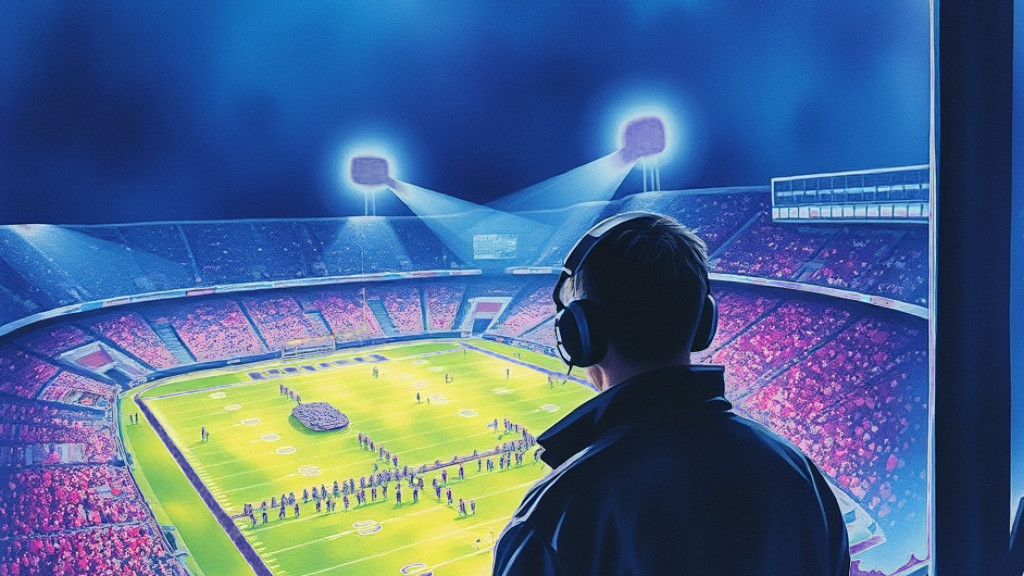
John Madden coached the Oakland Raiders for ten seasons starting in 1969 and won a Super Bowl championship. Then he became the voice of football itself—a larger-than-life character who made the game fun to watch and impossible to ignore.
Who was John Madden as a coach?
Madden took over the Raiders in 1969 and inherited a team built on toughness and swagger. He coached through 1978, and the Raiders won Super Bowl XI after the 1976 season under his leadership. His teams played a brand of football that matched Oakland's identity: physical, aggressive, and unafraid. The Raiders became known as America's team for the underdog, the outlaw franchise that played the game the way Madden believed it should be played. He never backed down from anyone and never apologized for his team's style.
Watch it: John Madden: A Life in Football on Amazon (Deep dive into Madden's coaching career, Super Bowl XI, and broadcasting legacy that shaped how fans experience the game)
What made him legendary in the broadcast booth?
After coaching, Madden moved to broadcasting and became one of the most recognizable voices in sports. He didn't just break down plays—he made you feel the game. He was loud, enthusiastic, and genuinely in love with football. He didn't pretend to be neutral or detached. He celebrated big hits, praised smart decisions, and got animated when something amazing happened on the field.
Madden's catchphrases and his way of explaining the game in simple, direct language made him accessible to casual fans and serious students alike. He could talk about strategy one moment and crack a joke the next. He made football feel like something your buddy was explaining to you over a beer, not something a suit was lecturing you about.
How did he change how people watched football?
Before Madden, broadcast commentary was more formal and restrained. Madden brought personality, passion and humor to the booth. He wasn't afraid to say what he thought, to get excited, or to be himself. That changed the standard for sports broadcasting. Other commentators followed his lead, understanding that fans wanted to hear from real people who loved the game, not robots reading from a script.
His years as a broadcaster meant he was the voice of football for generations of American men. He was there for the big games, the moments that mattered, and he made them feel important.
Why does he still matter?
Madden proved that you could be yourself on television and connect with millions of people. He showed that expertise and entertainment weren't opposites—they could be the same thing. He loved the game, loved the players, and loved the fans, and that came through every time he was on air.
His influence on how football is broadcast, discussed and celebrated in America is hard to overstate. He set a standard for authenticity and passion that shaped the sport's culture for decades.
Quick answers
What teams did John Madden coach?
Madden coached the Oakland Raiders from 1969 to 1978, winning Super Bowl XI after the 1976 season.
Why was John Madden so popular as a broadcaster?
Madden brought genuine passion, humor and personality to football broadcasting, making the game accessible and fun while maintaining deep knowledge of strategy and play. He was himself on air and connected with fans authentically.
How did Madden influence sports broadcasting?
Madden changed the standard by bringing personality and authenticity to the booth instead of formal, restrained commentary. Other broadcasters followed his lead, understanding fans wanted to hear from people who loved the game.
What was Madden's coaching record?
The reference material confirms Madden coached the Raiders from 1969 to 1978 and won Super Bowl XI after the 1976 season; detailed season-by-season records are not included in the sources provided.
Was this worth your time?








Sound off
Disagree all you want, swear if you have to (we'll #@$%! it out). No harassment, slurs, threats, spam or links. Comments are screened before they appear, and you'll get a daily heads-up when the conversation picks up. Your email is never shown.