Beast Wars: Transformers still holds up in 2026
The first all-CGI Transformers show traded Optimus Prime for a gorilla—and became the best sequel the franchise ever got.
This story has affiliate links. If you buy through them, Radazoid may earn a commission at no cost to you. How that works.
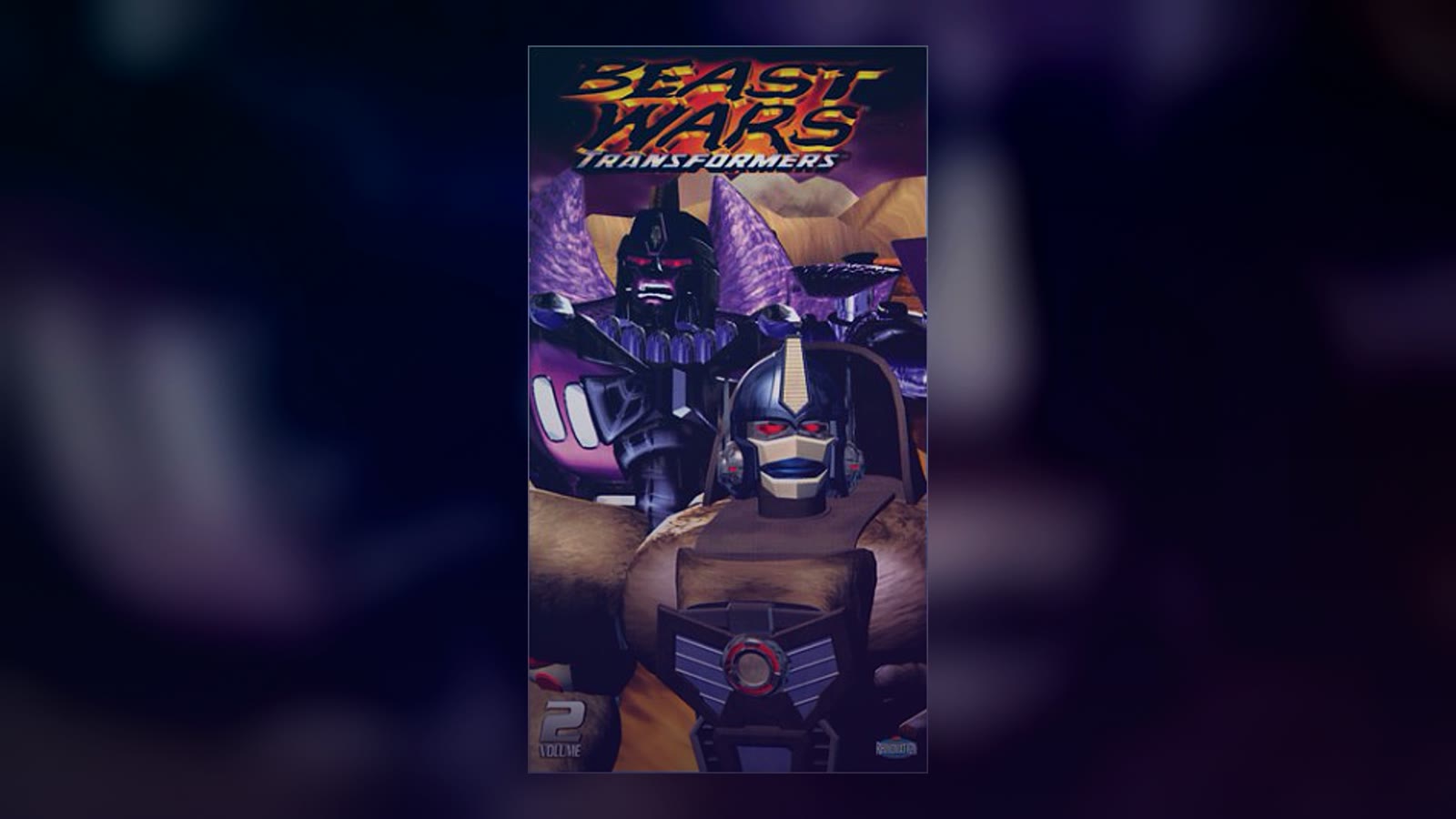
Beast Wars: Transformers premiered in 1996 as a syndicated weekday afternoon show, and if you were a kid who grew up on G1 Transformers, you probably felt betrayed at first. Optimus Prime was a gorilla now? Megatron was a dinosaur? The robots turned into animals? It felt like Hasbro had lost its mind. But if you stuck with it past the first few episodes, you realized something: this was the best Transformers show anyone had made, and it wasn't close.
The show ran three seasons from 1996 to 1999, with a total of 52 episodes. It aired weekday afternoons in syndication, often on UHF stations, and became the show you raced home to catch. The premise was simple: two small teams of Transformers—Maximals (descendants of the Autobots) and Predacons (descendants of the Decepticons)—crash-land on a mysterious planet rich in raw energon. To survive the radiation, they scan local lifeforms and take on beast modes. What starts as a skirmish over resources becomes a time-travel saga that ties directly into the original G1 continuity in ways that blew kids' minds.
Watch it: Beast Wars: Transformers Complete Series Blu-ray on Amazon (Relive all 52 episodes of the show that redefined the franchise with restored video quality and bonus features.)
What Made Beast Wars Different
Beast Wars was the first fully CGI animated series, and while the early episodes look rough by modern standards—stiff movement, low polygon counts, environments that feel empty—the animation improved noticeably by season two. More importantly, the writing was sharp, funny and willing to take chances. Characters died and stayed dead. Optimus Primal wasn't a flawless leader; he made mistakes and grew. Dinobot, the Predacon who defected to the Maximals, got one of the best character arcs in any Transformers property.
The voice cast sold it. Gary Chalk's Optimus Primal had gravitas without copying Peter Cullen. David Kaye's Megatron was theatrical and menacing, with a habit of saying "yesss" that became iconic. Scott McNeil's Dinobot and Rattrap brought humor and heart. The dialogue was witty, the banter felt natural, and the show trusted its audience to follow serialized storytelling at a time when most cartoons reset every episode.
The Toys That Came With It
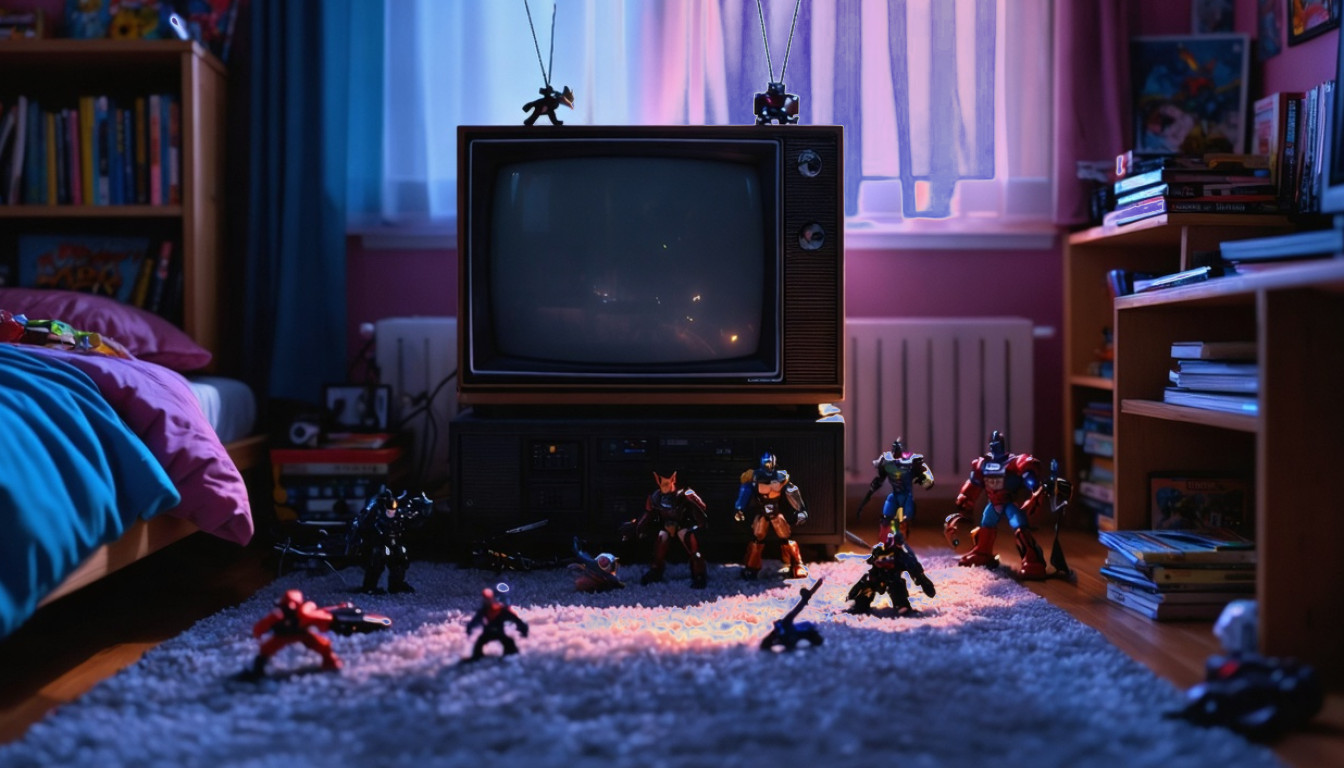
Hasbro's Beast Wars toy line launched alongside the show in 1996. The figures were smaller and simpler than G1, with organic beast modes that actually looked like animals instead of blocky robots with animal heads. Deluxe-class figures like Cheetor, Rattrap and Tarantulas were affordable and fun to transform. The Ultra-class Optimus Primal and Megatron were the centerpiece toys, and both went through multiple versions as the show's story evolved. The line introduced new figure types in later waves, including metallic beast modes with vehicle alt-modes and hybrid animal designs that became fan favorites. The line ran through 1999.
What Aged Well
The storytelling holds up better than almost any Transformers show. Beast Wars had continuity, consequences and a willingness to explore ideas beyond "good robots fight bad robots." The time-travel twist in season two—revealing the planet is prehistoric Earth—gave the series stakes that mattered to anyone who loved G1. The final season leaned hard into that connection, bringing classic G1 elements and characters into the story.
The humor still works. Rattrap's wisecracks, Waspinator's slapstick suffering, Megatron's melodrama—it's all genuinely funny without feeling like it's trying too hard. And the show respected its audience: it didn't talk down to kids, and it rewarded fans who paid attention with callbacks, foreshadowing and payoffs that landed.
What Didn't Age as Well
The CGI is the obvious weak spot. Early episodes look like cutscenes from a PlayStation 1 game, and even the improved animation of seasons two and three feels primitive now. Character models are simple, textures are flat, and action scenes can feel slow and weightless. If you're used to modern animation, it takes a few episodes to adjust.
Some of the early season-one episodes are formulaic: the Predacons hatch a scheme, the Maximals stop it, repeat. The show found its footing by mid-season, but those first few installments can feel like a slog if you're not invested yet. And Airazor, one of the few female characters, gets sidelined for much of the series, which feels like a missed opportunity.
The Theme Song You Still Hum
The opening theme is a rock instrumental with a driving beat and an announcer calling out the show's title over footage of the characters transforming and fighting. It wasn't as iconic as the G1 theme, but it had energy, and if you watched the show every day after school, it's burned into your brain. The show's score mixed orchestral cues with electronic elements and gave the series a cinematic feel that elevated the low-budget animation.
Where to Watch It Now
Beast Wars has been released on DVD in complete season sets, which you can find through online retailers. Availability on streaming services changes, so check the major platforms to see what's currently offered.
The Verdict for Grown-Ups
If you loved Beast Wars as a kid, it's worth revisiting. The CGI will make you wince, but the writing, voice acting and willingness to take risks hold up better than most 90s cartoons. It's the rare sequel that respected what came before while carving out its own identity, and it proved that Transformers could be more than a toy commercial. For a show that looked like a cash-grab reboot, Beast Wars became the gold standard for what a Transformers series could be.
And if you're still a Transformers fan who still transforms, this is the one that deserves another look.
Quick answers
Is Beast Wars connected to the original Transformers cartoon?
Yes. Beast Wars is set in the same continuity as the G1 series, hundreds of years in the future, and the show's second and third seasons tie directly into events from the original cartoon.
Where can I watch Beast Wars in 2026?
Beast Wars is available on DVD in complete season sets. Streaming availability changes; check the major platforms to see what's currently offered.
How does the CGI hold up?
The CGI looks dated by modern standards, especially in season one, but it improves in later seasons. If you can get past the visuals, the writing and voice acting more than make up for it.
Are the Beast Wars toys worth collecting now?
Original Beast Wars figures from the 90s are popular with collectors. Prices vary widely depending on condition and character; check eBay sold listings for current values.
🛒 Remember the Konami code? Get 291 more → Radazoid Shop
Was this worth your time?

Sound off
Disagree all you want, swear if you have to (we'll #@$%! it out). No harassment, slurs, threats, spam or links. Comments are screened before they appear, and you'll get a daily heads-up when the conversation picks up. Your email is never shown.