
Best OBD2 scanner for DIY: what a cheap reader can actually tell you
Check engine light on? Here's what you need to read the code yourself and when to just take it to the shop.
This story has affiliate links. If you buy through them, Radazoid may earn a commission at no cost to you. How that works.
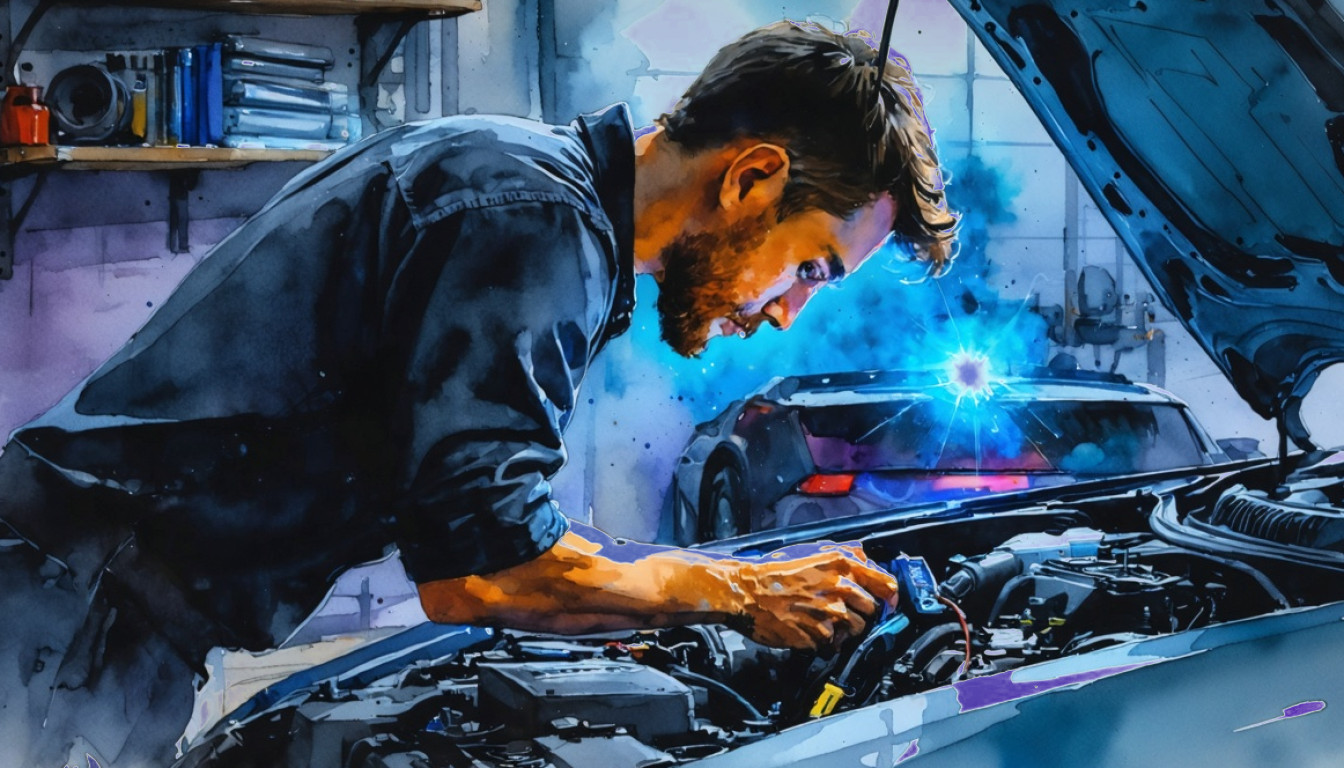
A basic OBD2 scanner will read the code that tripped your check engine light, clear it and show live sensor data—enough for most DIY fixes—but it won't tell you exactly what's broken or how to fix it. You still need to look up what the code means and decide if it's something you can handle or if the truck needs to see a pro.
OBD2 became mandatory on all cars sold in the U.S. starting in 1996, so if you're driving anything from the late 90s forward, you've got the same standardized diagnostic port under the dash. Plug in a reader, turn the key and it pulls the trouble codes stored in the computer. That code—something like P0420 or P0171—points to which system or sensor flagged a problem. It doesn't diagnose the root cause, but it gives you a place to start.
Get it: Bluetooth OBD2 Scanner Adapter on Amazon (Affordable entry point to read check engine codes and live sensor data on your phone for DIY troubleshooting)
If you grew up swapping out spark plugs in the driveway and you've added a few garage tools since then, an OBD2 scanner is the next logical step. It takes the guesswork out of that glowing orange light and keeps you from driving blind to the parts store.
What does an OBD2 scanner actually do?
An OBD2 scanner reads diagnostic trouble codes from your car's computer, clears them when you've fixed the issue and displays live data from the engine sensors—things like coolant temperature, oxygen sensor voltage, fuel trims and throttle position. The cheap ones read and clear codes. The pricier ones add live graphing, freeze-frame data from the moment the code tripped, and readiness monitors that tell you if the car will pass emissions.
Most scanners also show your vehicle identification number, which is handy if you're buying a used car and want to verify the VIN matches the title before you hand over cash.
What they don't do: tell you which part to replace or walk you through the repair. The code says the oxygen sensor circuit is reading lean; you still have to figure out if it's a bad sensor, a vacuum leak, a clogged fuel filter or a dozen other things. That's where a repair manual, YouTube or a call to your buddy who's good with cars comes in.
Bluetooth adapter or handheld scanner?
Bluetooth OBD2 adapters plug into the port under your dash and pair with your phone. You download a free or cheap app—Torque is a popular one on Android—and read codes, clear them and watch live data on your screen. They're small, they stay plugged in and they cost less than a tank of gas. The downside: you're juggling your phone, the app might be clunky and if your phone dies or the Bluetooth connection drops, you're stuck.
Handheld scanners are dedicated devices with a screen and buttons. They're faster to use, more reliable in a cold garage and they don't care if your phone is dead. The cheap ones are bare-bones code readers; the mid-range ones add live data and freeze frames. They cost more than a Bluetooth dongle but less than one trip to the dealer for a diagnostic.
If you just want to know why the light is on and clear it after you fix something simple, Bluetooth is fine. If you're doing your own work regularly—changing sensors, chasing misfires, tuning up an older truck—a handheld scanner is worth it.
What can you fix yourself with a scanner?
A scanner helps with anything that throws a code you can trace to a part you can reach: a loose gas cap (the most common check engine light), a bad oxygen sensor, a failing mass airflow sensor, a misfire from a worn spark plug or coil pack, or an evaporative emissions leak. Pull the code, look it up, replace the part, clear the code and see if it comes back.
It's also useful for verifying a repair. Replace the sensor, clear the code, drive it for a day and check if the light stays off. If it does, you're done. If it comes back, you've got more digging to do.
Live data is where a scanner earns its keep if you're chasing an intermittent problem. Watch the coolant temperature climb, check if the throttle position sensor is reading smooth or if the fuel trims are way off. It's not a full shop scan tool, but it's enough to spot the obvious stuff.
When should you just take it to a mechanic?
If the code points to the transmission, the airbag system, the ABS or anything that says "take it to a professional," listen. Some systems need dealer-level tools to diagnose and clear codes safely. If the scanner shows multiple codes that don't make sense together, or if the code keeps coming back after you've replaced the part it's pointing to, you're into deeper diagnostic work that needs a real scan tool and someone who knows how to read between the lines.
And if the check engine light is flashing—not just on, but blinking—pull over. A flashing light means the engine is misfiring badly enough to damage the catalytic converter. That's a tow-truck situation, not a scanner situation.
Do you need an expensive scanner?
Not unless you're running a side business or you've got a fleet of older cars. A basic Bluetooth adapter or entry-level handheld will handle everything a DIYer needs: read codes, clear them, show live data. The expensive ones add manufacturer-specific codes, advanced diagnostics, bi-directional controls and coding features that let you reprogram modules. That's overkill for a guy who just wants to know why the Silverado is running rough.
Save the money and put it toward the actual parts. The scanner is just the first step.
Quick answers
Will an OBD2 scanner work on any car?
It works on any car or truck sold in the U.S. from 1996 forward, when OBD2 became mandatory. Anything older uses a different system or no system at all.
Can a scanner tell me exactly what's broken?
No. It tells you which sensor or system flagged a problem, but you still have to diagnose the root cause—whether it's a bad part, a wiring issue or something else.
Do I need to clear the code after I fix the problem?
The light will go off on its own after a few drive cycles if the problem is fixed, but clearing the code with the scanner lets you verify the repair immediately.
Will a cheap scanner work as well as the one at the parts store?
For reading and clearing basic codes, yes. The parts store scanner might pull more detailed data, but a cheap one handles most DIY needs just fine.
🛒 Printable 80s trivia, bingo & party games → Radazoid Shop
Was this worth your time?





Sound off
Disagree all you want, swear if you have to (we'll #@$%! it out). No harassment, slurs, threats, spam or links. Comments are screened before they appear, and you'll get a daily heads-up when the conversation picks up. Your email is never shown.