
Best car detailing kit for beginners: what you need to detail like a pro
Can you get dealership-level results in your own driveway?
This story has affiliate links. If you buy through them, Radazoid may earn a commission at no cost to you. How that works.
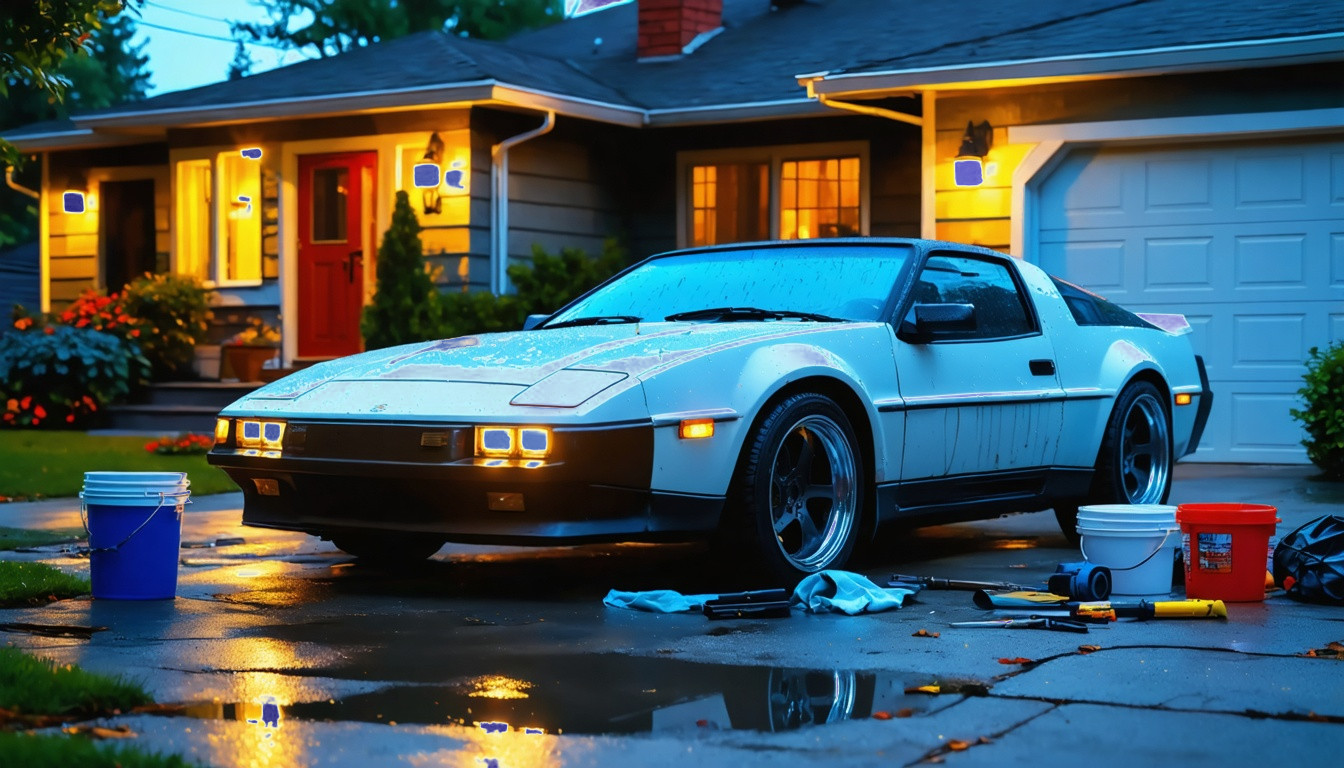
You can absolutely detail your car like a pro in your driveway. The process is straightforward: wash, clay, polish, protect and finish the interior. You don't need a garage full of gear or a certification. You need the right products, a few hours on a weekend and the willingness to work in sections. Professional detailers use these same steps; the difference is practice and time, not secret techniques.
Detailing your own truck or daily driver means you control what touches the paint and how the work gets done. No shortcuts, no swirl marks from a careless kid with a dirty rag at the wash.
What Do You Actually Need in a Detailing Kit?
Start with the basics: car wash soap (not dish soap, which strips protective coatings), two buckets (one for soap, one for rinse water), a wash mitt, microfiber towels (buy a dozen; you'll use them), a clay bar kit, a dual-action polisher, polish, wax or ceramic spray sealant, interior cleaner, a vacuum and tire dressing.
Look for complete kits that bundle the wash soap, clay bar, lubricant and sealant together. Most major detailing brands offer beginner packages that include the core supplies. Don't overthink it. The two-bucket wash method keeps dirt off your paint. The clay bar pulls out embedded grit the wash missed. The polisher removes light scratches and swirls. The sealant protects the paint. The interior cleaner handles the dash, seats and doors. Tire dressing makes the rubber look new.
If you're keeping a classic or just want your daily driver to look like it did on the lot, this is the gear that gets you there.
How Do You Wash Without Scratching the Paint?
Two buckets. One holds soapy water, the other holds clean rinse water. Dip the mitt in the soap, wash one section of the car (hood, door, fender), rinse the mitt in the clean bucket, wring it out, then reload with soap. This keeps the dirt in the rinse bucket instead of dragging it across your paint.
Work top to bottom. The roof and windows are cleanest; the rockers and wheel wells are dirtiest. Wash the wheels last with a separate mitt or brush. Rinse the whole car with a hose, then dry it with a clean microfiber towel or a blower. Water spots are harder to fix than preventing them.
If you grew up washing your Camaro or Mustang in the driveway, you already know this. If you didn't, this is the method that keeps swirl marks off your clear coat.
What Does a Clay Bar Do and Do You Really Need It?
Yes. A clay bar pulls out the bonded contaminants a wash can't touch: brake dust, tree sap, industrial fallout, road tar. Run your hand over the paint after a wash. If it feels rough or gritty, that's what the clay bar removes. Spray a section with clay lubricant (it comes in the kit), glide the bar over the paint with light pressure, then wipe it clean. The paint will feel like glass.
Clay the whole car once or twice a year, or whenever the paint feels rough. It preps the surface for polish and wax. Skip it and you're sealing dirt under the wax. Do it and the next steps work the way they're supposed to.
How Do You Polish Without Damaging the Paint?
A dual-action polisher spreads heat and pressure evenly, which reduces the risk of burning through clear coat compared to a traditional rotary buffer. Detailing forums and product reviews consistently recommend dual-action models for anyone learning to polish. Read the instructions that come with your polisher and consider practicing on an old body panel or a hidden area like a door jamb before working on visible paint.
The basic technique: apply a few dots of polish to the pad, spread it over a small section at low speed, then work it in at medium speed with overlapping passes. Wipe off the haze with a microfiber towel. Polish removes light scratches, swirl marks and oxidation. It doesn't protect anything; that's what the sealant does. One pass over the whole car is enough for a daily driver. If you're prepping a classic or a Fox Body Mustang you just brought home, you might go over the worst panels twice.
Take your time. Polishing is where the transformation happens. Work in a shaded area and keep the pad moving; letting it sit in one spot generates heat that can damage clear coat.
Wax or Ceramic Spray: Which One Should You Use?
Wax is traditional, easy to apply and gives a warm, deep shine. Ceramic spray sealants bond harder to the paint and last longer between applications. Both protect the paint from UV, dirt and minor scratches. For a beginner, a spray sealant is faster and more forgiving. Apply it to a clean, polished panel, spread it with a microfiber applicator, let it haze for a minute, then buff it off.
Wax gives a richer look on older paint. Ceramic spray works better on modern clear coats and holds up through more washes. Either one does the job. Pick the one that fits your schedule and the look you want. Check the product instructions for how often to reapply; most will tell you to reapply when water stops beading on the paint.
How Do You Finish the Interior Without Making It Worse?
Vacuum everything first: seats, floor, under the seats, the trunk. Then wipe down the dash, console, door panels and steering wheel with an interior cleaner and a microfiber towel. Use a separate product for leather seats if you have them. Spray tire dressing on the tires (not the tread) and wipe off the excess.
Don't overdo the interior cleaner. A light mist and a wipe is enough. Too much leaves a greasy film that attracts dust. The goal is clean and protected, not slippery.
When you're done, the interior smells right, the dash isn't cracked or faded, and the whole truck looks like it belongs on a showroom floor. That's the standard.
Quick answers
How long does it take to detail a car yourself?
Detailers and forum users report three to five hours for a full exterior and interior detail the first time. With practice, most people finish in two to three hours.
Can you use a regular buffer instead of a dual-action polisher?
A rotary buffer works faster but requires experience to avoid damaging the clear coat. Reviews and detailing guides recommend dual-action polishers for beginners because they're more forgiving.
How often should you detail your car?
Most detailing guides recommend washing every two weeks, claying and polishing once or twice a year, and reapplying sealant when water stops beading on the paint.
Do you need to wax after using a ceramic spray?
No. Ceramic spray sealants replace wax and last longer. You can layer wax over ceramic for extra depth, but product instructions typically don't require it.
Was this worth your time?







Sound off
Disagree all you want, swear if you have to (we'll #@$%! it out). No harassment, slurs, threats, spam or links. Comments are screened before they appear, and you'll get a daily heads-up when the conversation picks up. Your email is never shown.