
KITT from Knight Rider: the real car behind the Trans Am
How did Universal Studios turn a Pontiac Trans Am into TV's most iconic talking car?
This story has affiliate links. If you buy through them, Radazoid may earn a commission at no cost to you. How that works.
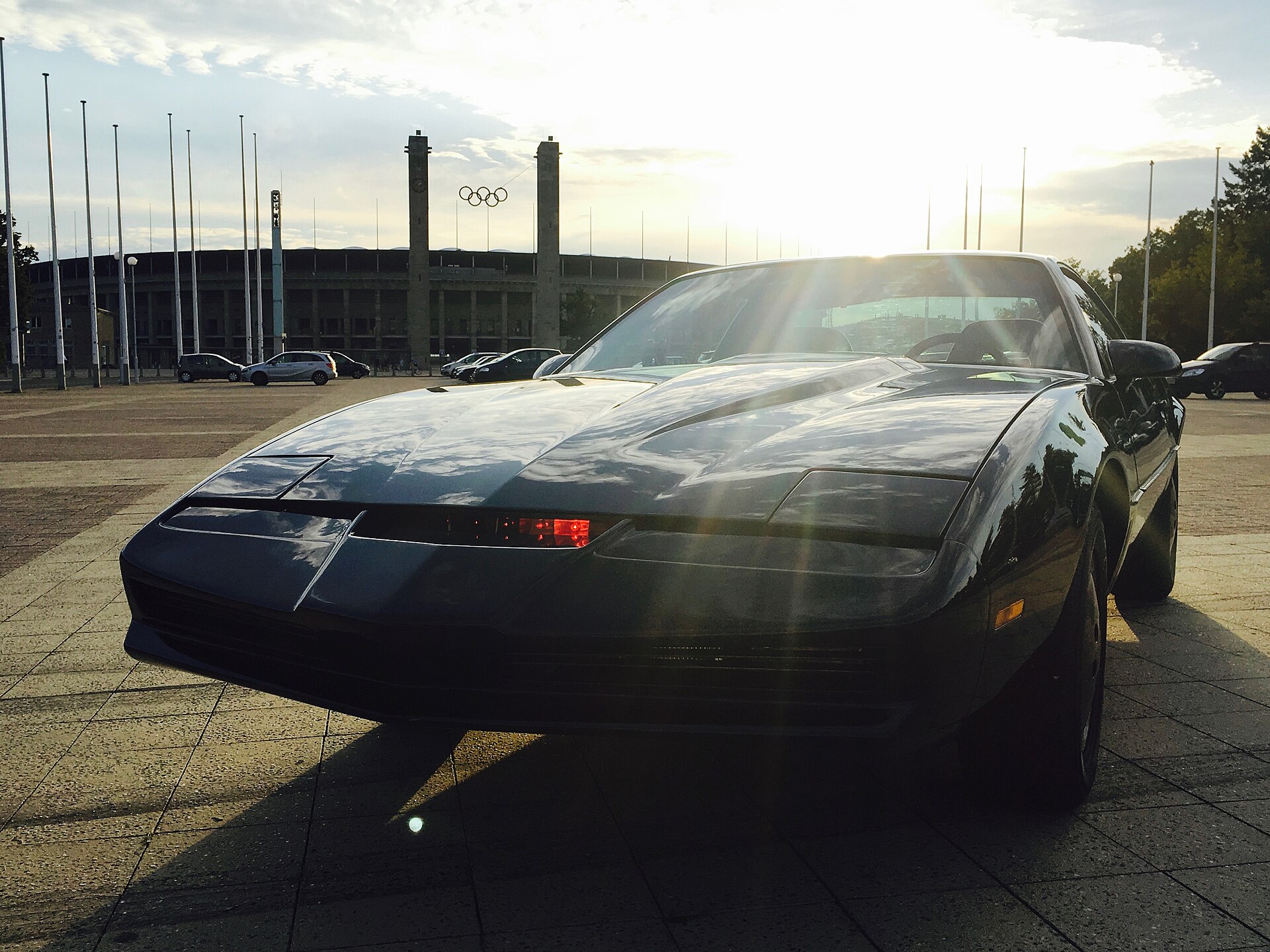
KITT was a modified Pontiac Firebird Trans Am, chosen because the F-body looked futuristic enough for a talking supercar and GM loaned the show cars in exchange for the exposure. Universal Studios built hero and stunt cars over the show's four-season run, each one a black Trans Am stripped of its front bumper and fitted with a custom nose cone, ground-effects kit, louvers and that iconic sweeping red scanner light. The car on screen was mostly stock under the hood—a Chevy small-block V8 or the turbo four, depending on the year—because the show needed reliable runners, not quarter-mile monsters. The magic was all in the bodywork, the electronics and William Daniels' voice.
Knight Rider made the Trans Am a hero, and replicas have been rolling out of garages ever since.
What made KITT look like KITT?
The custom front end was the signature: a smooth, aggressive nose cone that replaced the stock Trans Am bumper and grille, giving KITT a predator's face. The ground-effects side skirts, rear valance and louvered rear window came next, all molded in-house by the studio's fabrication team. The scanner light—a row of red LEDs that swept back and forth—was mounted behind a slot in the nose and became the car's heartbeat. The show added a set of turbine-style wheels (usually aftermarket five-spokes painted black) and blacked out every piece of chrome. The interior got a custom dash full of blinking lights, toggle switches and CRT screens that did absolutely nothing in real life but looked incredible on camera.
The paint was standard GM black, but the cars were waxed to a mirror finish for every shot. The show built multiple versions because stunts, crashes and wear added up fast, and each car was rebuilt or replaced as needed. A few survived and are now in private collections or on display at car museums.
Where are the original KITT cars now?
Universal built hero cars for close-ups and dialogue scenes, plus stunt cars for jumps, crashes and high-speed work. Some were converted back to stock Trans Ams after filming, but several survived intact. Original screen-used cars have changed hands privately and at auction, with documented examples commanding serious money from collectors. Others are owned privately and make the car-show circuit, while a few sit in automotive museums where fans can see them up close.
Replicas outnumber the real thing by a wide margin now. Enthusiasts have been building KITT clones since the show aired, and the aftermarket for body kits, scanner lights and interior trim is still active. A well-done replica built on a clean early-80s Trans Am commands strong money, depending on the quality of the work and the condition of the donor car. To see what they're actually selling for, check eBay sold listings and classic car auction results. If you want to build one, start with a solid early-80s Trans Am and budget for the body kit, paint, electronics and interior work. Expect to hunt for parts and do a lot of custom fabrication.
What about die-cast models and kits?
KITT has been immortalized in die-cast and model kit form for decades. Multiple manufacturers have released versions over the years, and the market is still active. Hot Wheels, Jada Toys and Auto World have all produced KITT die-cast models in various scales, with features like working lights, opening doors and accurate detailing. Availability and specific models change, so check current listings to see what's in stock.
Model kits include releases from Aoshima and other manufacturers, often reissued multiple times with photo-etched parts, detailed interiors and decals for the scanner and dashboard. Building one takes patience and a steady hand, but the result is a display piece that looks like it rolled off the Universal lot. Older kits from the 80s turn up on eBay and collector forums, though availability and condition vary.
If you're hunting vintage KITT toys or kits, check eBay sold listings to see what they're actually selling for. Prices vary wildly depending on condition, completeness and whether the box is still intact.
What made KITT a legend?
KITT wasn't just a car—it was a character, a partner and the reason half the kids watching wanted a black Trans Am with a red light in the nose. The show gave the car a personality, and William Daniels' calm, dry delivery made KITT feel real. The on-screen gadgets helped sell the fantasy: turbo boost that launched the car over obstacles, modes and features that let it handle any situation. None of it worked in the real cars, but it didn't matter. KITT was the car that could do anything, and it made the Trans Am cooler than Pontiac ever managed on its own.
The 80s gave us a handful of cars that defined the decade, and KITT is at the top of that list. The show ran from 1982 to 1986, but the car never left. Replicas still show up at car shows, die-cast versions still sell and every guy who grew up watching Knight Rider still wants one in the garage.
Should you build or buy a KITT replica?
If you have the skills, the space and a clean donor Trans Am, building a KITT replica is one of the most rewarding projects an 80s kid can take on. The body kits are out there, the scanner lights are available and the interior parts can be sourced or fabricated. The challenge is doing it right: the nose cone needs to fit perfectly, the paint needs to be flawless and the electronics need to work without looking cheap. A half-finished KITT is worse than no KITT at all.
If you'd rather buy one, expect to pay for quality. A well-built replica with a solid drivetrain, clean body and working lights is worth the money. A cheap one with a rattle-can paint job and a crooked nose cone is not. Check the donor car's history, inspect the frame and suspension and make sure the builder knows what they're doing. To gauge current market prices, search completed sales on eBay, Bring a Trailer and Hemmings. A KITT replica done right is a show-stopper. A bad one is a black Trans Am with a tacky body kit.
Either way, KITT is still the coolest car from the 80s, and owning one—real, replica or die-cast—is owning a piece of the decade that made us.
Quick answers
What year Trans Am was KITT?
KITT was an early-80s Pontiac Firebird Trans Am, modified with a custom nose, scanner light and ground-effects kit.
How many KITT cars were built for the show?
Universal Studios built multiple KITT cars over Knight Rider's run, including hero cars for close-ups and stunt cars for jumps and crashes.
Can you still buy a KITT replica?
Yes, KITT replicas are built by enthusiasts and occasionally sold. Check eBay sold listings, Bring a Trailer and classic car auction sites to see current market prices.
What made KITT's scanner light work?
The scanner light was a row of red LEDs mounted behind a slot in the custom nose cone, controlled by a circuit that cycled the lights back and forth in a sweeping pattern.
Was this worth your time?
Sound off
Disagree all you want, swear if you have to (we'll #@$%! it out). No harassment, slurs, threats, spam or links. Comments are screened before they appear, and you'll get a daily heads-up when the conversation picks up. Your email is never shown.