
The 80s cars worth buying now before prices climb
Can you still afford the 80s icons before nostalgia prices them out?
This story has affiliate links. If you buy through them, Radazoid may earn a commission at no cost to you. How that works.
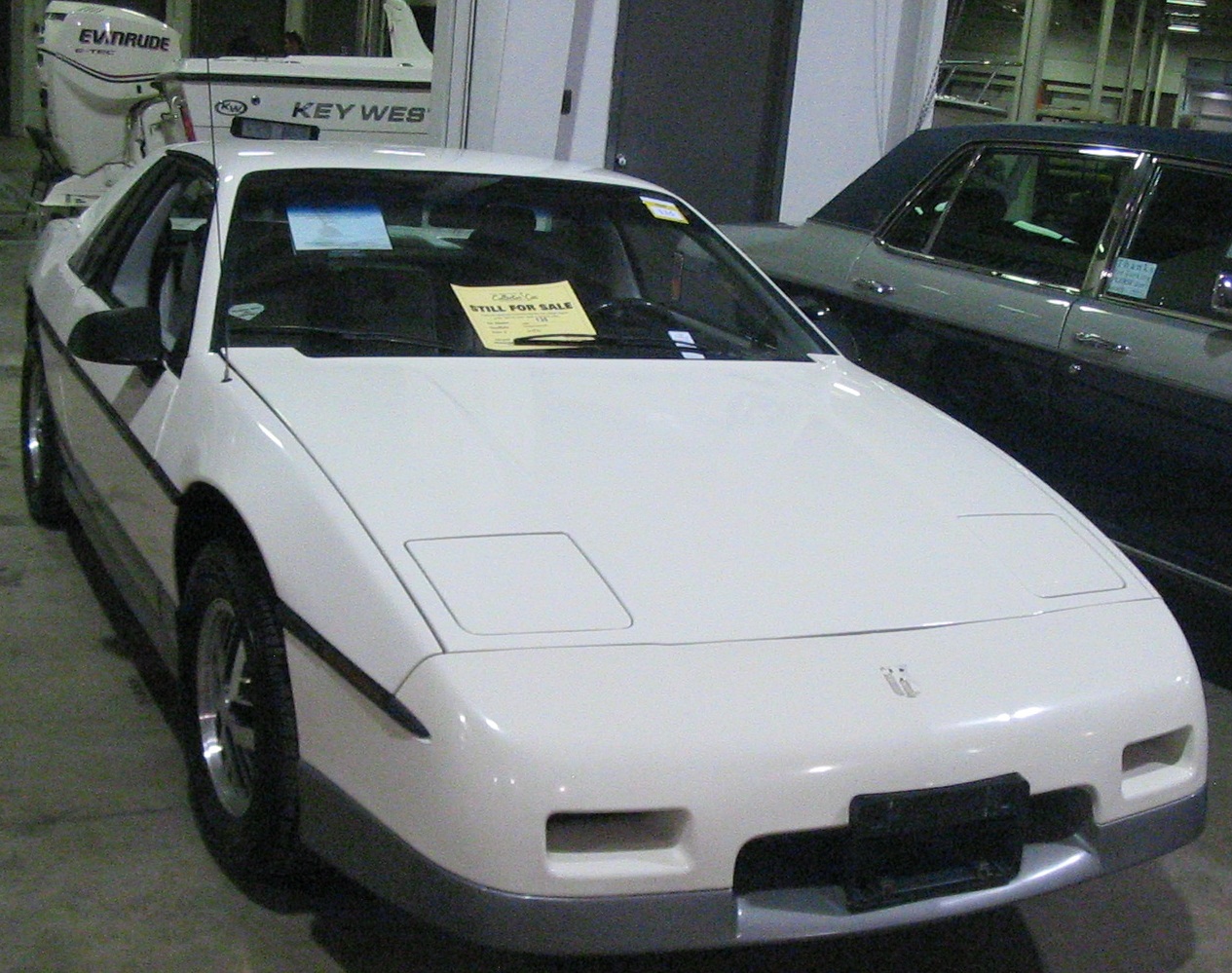
Fox Body Mustangs, IROC-Z Camaros, Buick Grand Nationals, Toyota MR2s, Porsche 944s and Jeep Cherokee XJs are still within reach for regular guys—if you buy smart and check the rust, wiring and parts supply before you sign. These are the 80s machines that defined the decade for car guys, and most haven't yet crossed into stupid-money territory. Buy now, before the next wave of nostalgia pushes them past what a regular paycheck can handle.
Why are 80s cars suddenly worth buying?
The Radwood era—roughly the mid-70s through the early-90s—is having its moment. Guys who grew up with these cars on posters, in movies and in the high school parking lot now have the cash and the garage space. Values are climbing, but most 80s icons are still cheaper than their 60s and 70s muscle-car cousins. You can still find solid drivers without taking a second mortgage, and the aftermarket for popular models is strong enough that you won't be hunting unobtanium every time something breaks.
The other reason: these cars are analog enough to work on yourself but modern enough to drive every day. No carburetors to tune every weekend, but no touchscreens or drive-by-wire nonsense either. They're the sweet spot.
Which 80s cars should you actually buy?
Fox Body Mustang: The poster car for a generation. The Fox was everywhere—cops drove them, your buddy's older brother had one, and every strip in America had a dozen. The aftermarket is massive, so parts are cheap and plentiful. The downside: everybody beat on them. Check the torque boxes and floor pans for rust, look for poorly done backyard mods, and make sure the wiring hasn't been hacked to death. Clean examples are climbing fast, but drivers are still out there.
IROC-Z Camaro: The Chevy that defined cool in the 80s. Tuned Port Injection V8, ground effects, and a name that still sounds fast. They're rarer than Fox Bodies because fewer survived, and rust is the enemy—check the rear quarters, the T-top seals if it has them, and the frame rails. Parts are available but not as cheap as Mustang stuff. If you find a clean one, grab it.
Buick Grand National: The blacked-out, turbocharged V6 sleeper that embarrassed Corvettes. Rare when new and rarer now, the GN is already climbing in value. Turbo cars need careful inspection: check for boost leaks, oil consumption, and whether the turbo and intercooler are original or replaced. The interior trim breaks, and replacement parts are getting scarce. Buy the best one you can afford.
First-generation Toyota MR2: The mid-engine, rear-drive two-seater that proved Toyota could build a driver's car. The first-gen MR2 is light, tossable, and dead reliable. Rust is the big worry—check the rear trunk area, the rocker panels, and anywhere water can hide. The engine is bulletproof if it's been maintained, and parts are still available. Clean examples are climbing, but they're not insane yet.
Porsche 944: The entry-level Porsche that's no longer entry-level money, but still attainable. The 944 was one of Porsche's volume sellers in the 80s, so there are plenty around. The catch: these cars have timing belt service intervals that are critical to follow, the interior plastics crack, and electrical gremlins are common. Find one with service records and recent maintenance. The aftermarket is strong, and values are rising steadily.
Nissan 300ZX Turbo: The digital-dash, pop-up-headlight GT that looked like it drove out of a sci-fi movie. The Z31-generation 300ZX Turbo from the mid-80s was brutally quick for its time and still turns heads. The turbocharged V6 needs careful inspection for oil leaks and turbo health, and the digital dash components can fail. The engine bay is tight, making some repairs a pain. Parts availability is decent but not Fox Body cheap. Clean turbo cars are getting harder to find.
What should you check before buying any 80s car?
Rust first. These cars are old enough that the tin worm has had decades to work, and most spent years in places that salt the roads. Get under the car with a flashlight and a screwdriver, and poke every seam, floor pan, frame rail and rocker panel. If it's soft or flaking, walk away—rust repair costs more than the car.
Wiring second. Forty-year-old insulation cracks, corrodes and shorts. Check for melted connectors, electrical tape holding things together, and whether the gauges and lights all work. If the previous owner was the type to splice in an aftermarket stereo or alarm with wire nuts and hope, you're looking at a nightmare.
Parts supply third. Popular cars like the Fox Body and the Cherokee have huge aftermarket support. Rarer stuff like the Grand National or the 944 will cost you more and take longer to fix. Search for the common wear items—suspension bushings, brake parts, interior trim—before you buy, and make sure they're actually available and not just listed on some forum as "NLA."
How do you figure out what one is worth?
Don't trust the asking price. Sellers are optimistic, and the market moves fast. Check Hagerty's valuation tools for a baseline on what condition grades mean and where the market is trending. Then search eBay and Bring a Trailer for sold listings—not active listings, sold—to see what people actually paid. Factor in where the car is located, how much rust your region tolerates, and how much work you're willing to do. A project car is only a deal if you have the time, the tools and the space to finish it.
Are 80s cars going to keep going up?
The smart money says yes, at least for the icons. Guys in their forties and fifties are buying the cars they couldn't afford in high school, and there's a limited supply of clean examples. The stuff that's already climbing—Grand Nationals, clean IROC-Zs, low-mileage MR2s—will keep moving up. The stuff that's still affordable—base-model Fox Bodies, higher-mileage 944s, Cherokees with some wear—will follow once the nice ones are out of reach.
Buy what you love, not what you think will make you rich. Drive it, work on it, and enjoy the fact that you can still get parts and find a mechanic who knows what a distributor is. That window is closing.
Quick answers
What's the most affordable 80s car to buy right now?
The Jeep Cherokee and the four-cylinder Fox Body Mustang are still the most affordable entries. Check for rust and wiring issues before you buy.
Are 80s Camaros a better buy than Mustangs?
IROC-Z Camaros are rarer and climbing faster, but Fox Body Mustangs have a bigger aftermarket and more parts availability. Buy the one you loved in high school.
What's the biggest problem with buying an old Porsche 944?
The timing belt service interval is critical and skipping it risks engine damage. Make sure maintenance records show it's been kept up, and budget for future service.
How do I find out what an 80s car is really worth?
Check Hagerty's valuation tools for a baseline, then search eBay and Bring a Trailer sold listings to see what people actually paid. Ignore asking prices.
Was this worth your time?


Sound off
Disagree all you want, swear if you have to (we'll #@$%! it out). No harassment, slurs, threats, spam or links. Comments are screened before they appear, and you'll get a daily heads-up when the conversation picks up. Your email is never shown.