
Fox Body Mustang buying guide for guys who wanted one in high school
Which years hold up, what to check before you hand over cash, and why the 5.0 still matters
This story has affiliate links. If you buy through them, Radazoid may earn a commission at no cost to you. How that works.
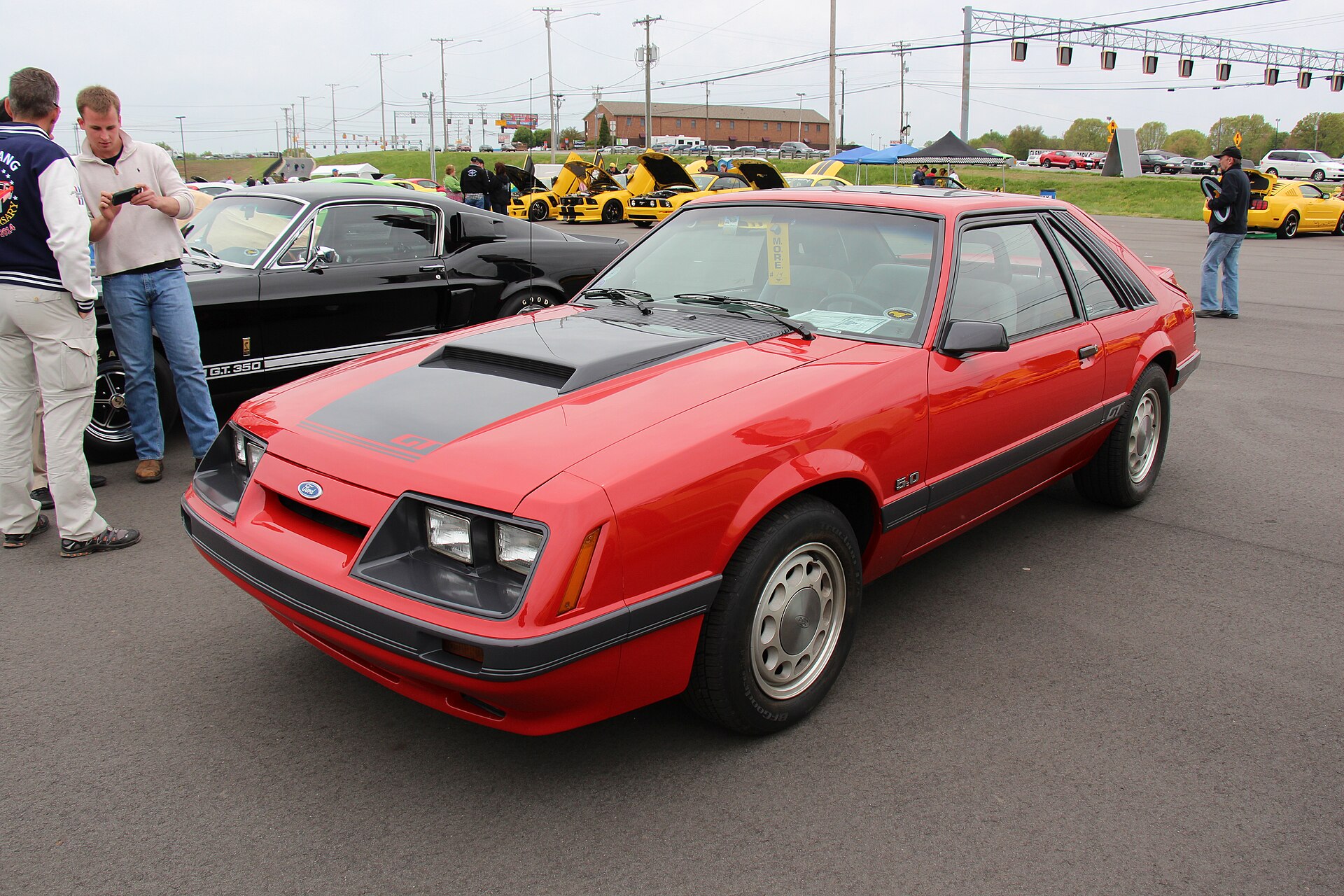
If you're finally ready to buy the Fox Body Mustang you couldn't afford in high school, here's what you need to know: grab a 5.0-equipped car from the late 80s or early 90s, check the floors and shock towers for rust, and expect to wrench on it. The Fox platform ran from 1979 through 1993, and the best examples for driving and modding are the ones built after Ford sorted out the early teething problems and before the last few years when the platform was aging out.
Which years are worth buying?
The sweet spot is 1987 to 1993. Ford gave the 5.0 fuel injection across the board in 1986, then added better heads and more power in 1987. The late-80s cars are lighter and simpler; the 1990-93 models got a refresh with a cleaner nose and tail, slightly better interior and more standard equipment. Either window works if the car is solid.
Skip the early carbureted cars unless you're hunting a project or a drag-strip build. The four-cylinder and V6 models are cheaper to buy but harder to sell, and the aftermarket is built around the 5.0. If you want a Fox Body, you want the small-block V8.
Notchback, hatchback or convertible?
The two-door notchback coupe is the stiffest, lightest and cleanest-looking of the bunch. It's also the one most people passed over in the 80s, which means survivors are rarer now. The hatchback was the most popular body style and the most practical—rear seats fold, you can haul stuff, and it still looks mean. Convertibles are fun but flexy, slower and the first to rust. Buy what you wanted back then, but know that notchbacks and hatches are easier to make quick.
What problems should you look for?
Rust is the killer. Check the floors, the torque boxes under the rear seat area, the shock towers and the cowl. A rusty Fox isn't worth saving unless you're prepared to cut and weld. Most of these cars spent decades being beaten on, so expect worn suspension bushings, tired shocks and clunky steering. The T5 manual transmission is tough but not indestructible—listen for grinding and whining. Automatics are less desirable and bring less money when you sell.
The 5.0 itself is bulletproof if it's been maintained. Look for leaks, check the oil, and make sure it doesn't smoke or knock. The fuel injection system is simple and parts are everywhere. If the car has been modified, find out what's been done and whether it was done right. A well-built Fox with a few smart upgrades is better than a stock one that's been neglected.
Bring a mechanic's inspection mirror and a flashlight. Crawl under it. Pop the hood. If the seller won't let you, walk away.
What's the aftermarket like?
The Fox Body aftermarket is massive and cheap. You can build a Fox into anything from a weekend cruiser to a dedicated drag car with parts that are still in production and readily available. Suspension, brakes, exhaust, engine internals, body kits, wheels—it's all out there. That's one reason these cars are still worth buying: you're not stuck hunting down obsolete parts or fabricating brackets.
Budget for upgrades. Even a clean Fox will need fresh bushings, shocks and maybe subframe connectors to feel tight. A cold air intake, exhaust and a tune wake up the 5.0 without breaking the bank. If you're planning serious power, the T5 will need an upgrade and the rear end might need gears or a full swap.
How much should you expect to pay?
Prices are all over the map depending on condition, mileage, modifications and location. Clean, stock 5.0 examples with low miles and no rust bring serious money now. Rough drivers and project cars are cheaper but can eat up cash in a hurry. Check eBay sold listings and Bring a Trailer to see what similar cars have actually sold for, not just what sellers are asking.
Don't buy the cheapest one you find. Buy the best one you can afford, because a solid Fox with a few issues is easier to fix than a rust bucket with fresh paint. If you're not ready to wrench, bring someone who is or pay for a pre-purchase inspection. These cars are old enough now that every one needs something.
Is a Fox Body Mustang still worth buying in 2025?
If you grew up in the 80s and 90s, a Fox Body is one of the last affordable ways to own a piece of the muscle car era that mattered to you. They're simple, tough, fast enough to be fun and backed by an aftermarket that refuses to quit. Values are climbing but they haven't hit the point where you can't drive one. Buy it, fix it, enjoy it. Just don't expect it to be a turnkey modern car, and keep a car cover and some rust prevention spray handy if you're parking it outside.
For more on the cars that defined the era, check out the 80s cars worth buying now before prices climb.
Quick answers
What is the best year Fox Body Mustang to buy?
1987 to 1993 5.0 models are the sweet spot: fuel-injected, more power, and the platform is sorted out. Late-80s cars are lighter; 1990-93 got a refresh and nicer interior.
Should I buy a notchback or hatchback Fox Body?
Notchbacks are stiffer and rarer; hatchbacks are more practical and were more popular. Both are solid choices if the car is clean—buy the body style you wanted back then.
What should I look for when buying a Fox Body Mustang?
Check for rust in the floors, torque boxes, shock towers and cowl. Test-drive it, listen for transmission noise, and inspect the suspension and engine for leaks or wear.
Is the Fox Body Mustang a good investment?
Clean examples are climbing in value, but they're still affordable compared to earlier muscle cars. Buy one to drive and enjoy, not as a retirement plan.
Was this worth your time?




Sound off
Disagree all you want, swear if you have to (we'll #@$%! it out). No harassment, slurs, threats, spam or links. Comments are screened before they appear, and you'll get a daily heads-up when the conversation picks up. Your email is never shown.