
Is Super Mario Bros. 3 still worth playing in 2026?
The NES classic that defined platformers—but does it still deliver, or should you just watch the speedruns?
This story has affiliate links. If you buy through them, Radazoid may earn a commission at no cost to you. How that works.
Yes. Super Mario Bros. 3 is still one of the best platformers ever made, and it's aged better than almost any game from the NES era. The controls are tight, the level design is creative, the power-ups are fun, and the secrets reward exploration. If you loved it as a kid, it still delivers. If you missed it, it's the blueprint for everything Mario became.
It launched in North America in 1988 and became one of the NES's biggest hits. It refined everything Super Mario Bros. started: tighter physics, more power-ups, branching paths, hidden secrets, and a world map that made every level feel like part of a bigger adventure. The Raccoon Suit, the Frog Suit, the Tanooki Suit, the Hammer Suit—every power-up changed how you played. The Warp Whistles, the secret White Toad Houses, the P-Wings, the hidden 1-Ups: the game rewarded curiosity in ways that felt magic back then and still do now.
What aged well?
The controls. Mario moves exactly how you expect him to, with momentum and weight that feel natural. The run button, the jump arc, the way the Raccoon tail builds speed—it all still works. Modern indie platformers study this game for a reason.
The level design. Every world introduces a new idea: Giant Land with the oversized enemies, Ice World with the slippery floors, Pipe Land with the maze of warp pipes, Sky Land with the auto-scrolling airship battles. The game never repeats itself. The fortresses and airships at the end of each world still feel like boss gauntlets, and the final showdown with Bowser in Dark Land is a proper challenge.
The secrets. The game is full of hidden paths, invisible blocks, secret exits and White Toad Houses that only appear if you collect enough coins in specific levels. Finding them all was a playground legend in 1988, and they're still satisfying to hunt down today.
The pacing. The game moves. Levels are short enough that you can knock out a world in one sitting, but deep enough that you'll want to replay them to find everything. The world map gives you choices: take the shortcut, grind for power-ups, or tackle every level. It respects your time in a way a lot of modern games don't.
What aged badly?
Not much, honestly. The lack of a save system on the original NES cartridge meant you had to beat the game in one sitting or leave the console on overnight, but most modern re-releases include save states. The lives system can feel punishing if you're rusty—run out of lives and you're back to World 1—but that's baked into the era, and most players who grew up with it know the Warp Whistle spots by heart anyway.
The graphics are pure NES: colorful, charming, readable, but obviously 8-bit. If you need modern visuals to enjoy a game, this won't convert you. But if you can appreciate sprite work, it's still beautiful in its own way.
How does it compare to modern Mario games?
Super Mario Bros. 3 is harder than most modern Mario games. There's no hand-holding, no mid-level checkpoints in every stage, and some of the later worlds—especially Dark Land—will test your patience. But it's fair. Every death is on you, not the game. The physics are so tight that when you mess up, you know exactly what you did wrong.
It's also more open-ended. The world map lets you skip levels, stockpile power-ups, and choose your path. Modern Mario games are more linear, more cinematic, more forgiving. Super Mario Bros. 3 trusts you to figure it out, and that freedom still feels good.
Compared to Super Mario World on the SNES, which came out a few years later, it's a toss-up. World has better graphics, Yoshi, and the cape, but 3 has more varied worlds and a faster pace. Both are all-time greats. Compared to New Super Mario Bros. or Super Mario Maker, the original 3 still feels more inventive, less by-the-numbers.
How do you play it today?
Check whether your current Nintendo subscription service includes NES games with save states and rewind—that's typically the easiest legal route if you have a Switch. The Super Mario All-Stars collection has an SNES remake with updated graphics and a built-in save system; the All-Stars version is easier to look at and easier to finish, but purists prefer the original NES version for the authentic feel. Various classic console re-releases have included it over the years.
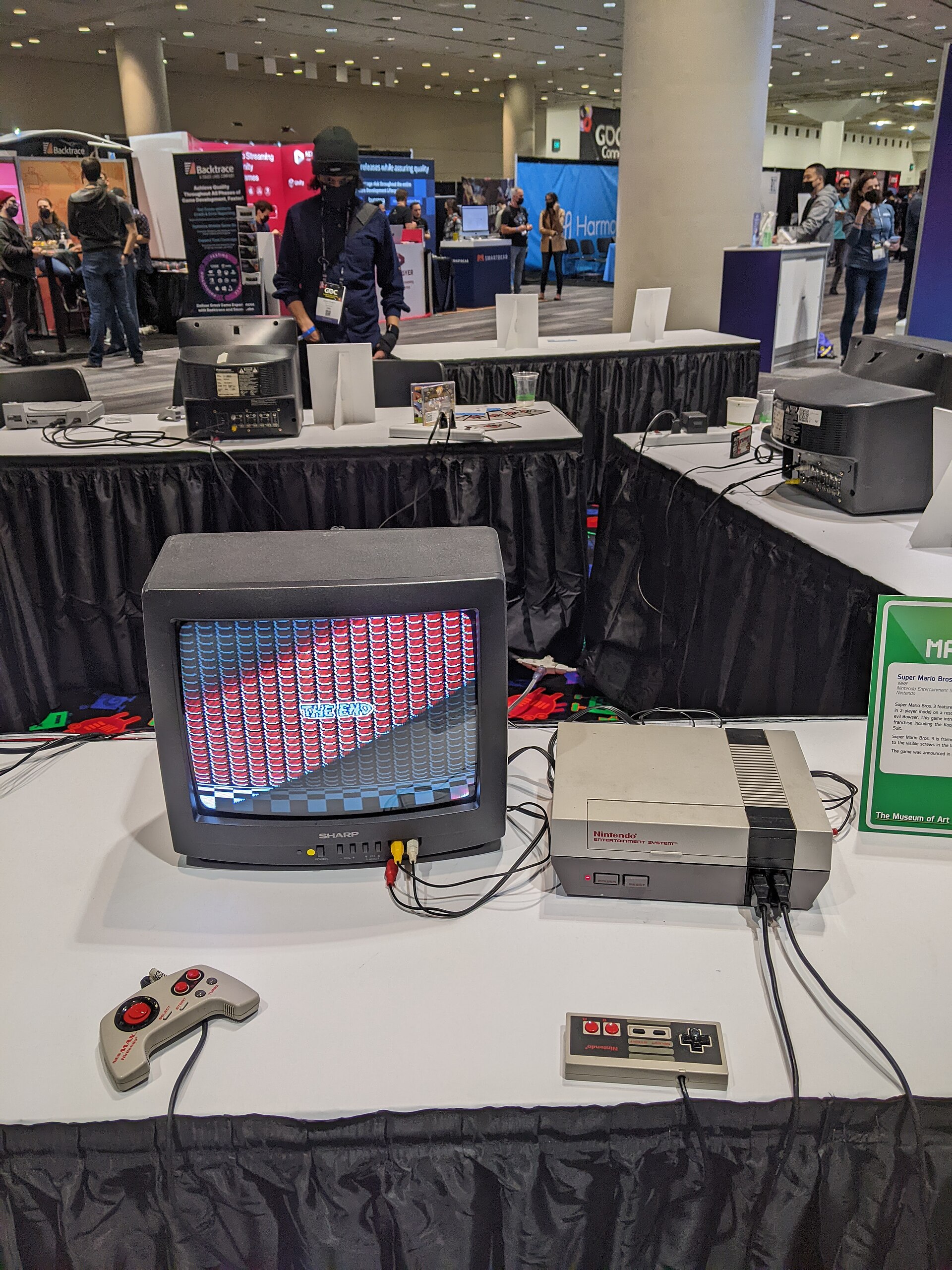
If you still have an NES console and a working cartridge, it's worth playing on original hardware if you want the full 1988 experience. Cartridge availability and condition vary widely; check online marketplaces for current options.
Should you play it or just watch speedruns?
Play it. The speedruns are fun to watch—top players can beat the game fast using Warp Whistles and frame-perfect tricks—but they skip most of the game. The joy of Super Mario Bros. 3 is exploring every world, finding the secrets, trying out every power-up, and figuring out the optimal route through each level. Watching someone else do it is like watching someone eat a steak for you.
If you're short on time, play through World 1, grab the Warp Whistle in World 1-3, skip to World 8, and fight your way to Bowser. That's the express route. If you want the full experience, play every world, hunt for the White Toad Houses, and stockpile P-Wings for the tough levels. That's a weekend well spent.
Super Mario Bros. 3 is one of the best games ever made, and it still earns that title today. If you grew up on it, it's worth revisiting. If you missed it, it's worth your time. It's the game that proved Mario wasn't a fluke, and it's still more fun than half the platformers released in the last decade.
Quick answers
Is Super Mario Bros. 3 harder than modern Mario games?
Yes, it's significantly harder, with no mid-level checkpoints, limited lives, and late-game worlds that demand precision. But the controls are so tight that every death feels fair.
What's the best way to play Super Mario Bros. 3 in 2026?
Check your Nintendo subscription service for NES games with save states, or look for the Super Mario All-Stars SNES version with updated graphics and a save system. Purists prefer the original NES version.
What makes Super Mario Bros. 3 hold up so well?
The tight controls, creative level design, varied power-ups and hidden secrets all still work beautifully. The world map structure and pacing respect your time in ways many modern games don't.
Is Super Mario Bros. 3 better than Super Mario World?
It's a toss-up. Super Mario Bros. 3 has more varied worlds and faster pacing; Super Mario World has better graphics, Yoshi, and the cape. Both are all-time classics.
Was this worth your time?







Sound off
Disagree all you want, swear if you have to (we'll #@$%! it out). No harassment, slurs, threats, spam or links. Comments are screened before they appear, and you'll get a daily heads-up when the conversation picks up. Your email is never shown.