
He-Man and the Masters of the Universe (1983): does the Filmation cartoon still hold up?
A 1983 toy-selling phenomenon gets the nostalgia test—does Filmation's He-Man still work?
This story has affiliate links. If you buy through them, Radazoid may earn a commission at no cost to you. How that works.
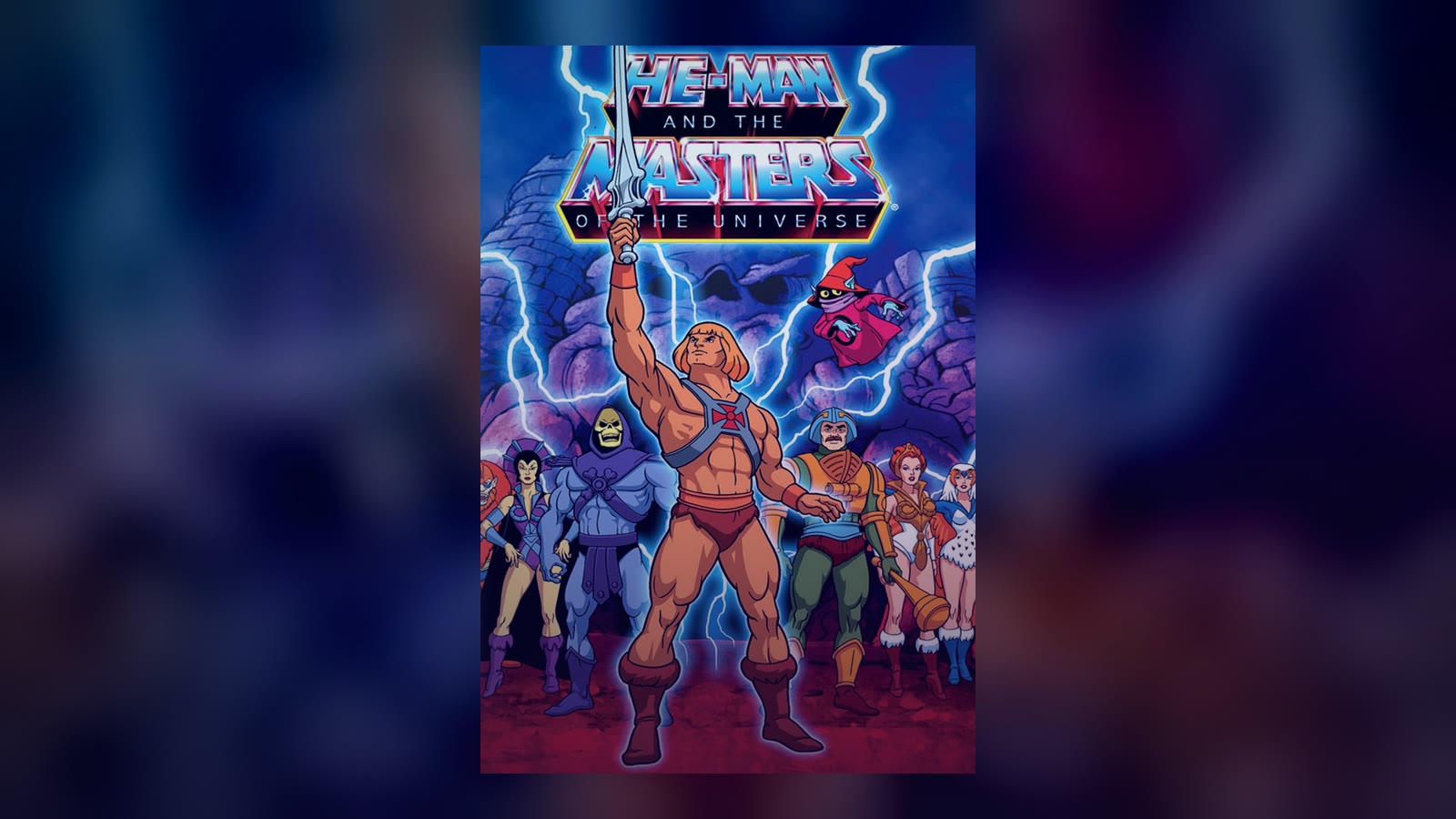
You raced home from school to catch He-Man and the Masters of the Universe on the local UHF station in 1983, and for good reason. It was a weekday syndicated show that aired on independent stations—and it became a phenomenon. By 1984, it was on stations across the U.S. and in dozens of countries.
What the show was about
Prince Adam, the young son of King Randor and Queen Marlena on the planet Eternia, holds aloft the Sword of Power and shouts, "By the power of Grayskull! I have the power!" He transforms into He-Man, the most powerful man in the universe. His cowardly pet tiger Cringer becomes Battle Cat, his loyal steed and fighting companion. Together with the Sorceress of Castle Grayskull, Teela, Man-At-Arms, and the wizard Orko, He-Man defends Eternia from Skeletor and his evil forces. Skeletor's obsession: conquer Castle Grayskull and rule the universe.
Watch it: Masters of the Universe: The Complete Series Blu-ray on Amazon (The full original 1983 Filmation series in high quality—exactly what the article recommends for rewatching)
That's it. That's the show. And it was enough to move toys.
The voice cast and the toys that followed
John Erwin voiced He-Man and Prince Adam. Alan Oppenheimer brought Skeletor and Battle Cat to life. Linda Gary played Teela and the Sorceress. The voice work was solid for a syndicated cartoon—Erwin's delivery was earnest, Oppenheimer's Skeletor was menacing without being scary, and the ensemble cast carried the simple stories.
The real star was the toy line. The cartoon transformed Mattel's Masters of the Universe figures into must-haves. Kids didn't just want He-Man; they wanted Battle Cat, Skeletor, Man-At-Arms, Teela, and every villain and ally Filmation could dream up. The show was, by design, a 23-minute commercial for the toys—and it worked. The success of the toy-based show in syndication influenced every animation house in the '80s to produce half-hour "cartoon commercials," and it changed the syndicated cartoon market forever.
What holds up
The transformation sequence is still cool. Erwin's voice work is earnest and committed. The theme song—composed by Shuki Levy and Haim Saban—is unforgettable and instantly recognizable. The show respects the premise: Adam is genuinely weaker than He-Man, and the secret identity matters. Teela's dynamic with Adam (she thinks he's a coward) and He-Man (she admires him) is a real story beat, not just window dressing.
Most importantly, the show broke new ground in what children's cartoons could do. For the first time since Ruby-Spears's Thundarr the Barbarian, a cartoon series could feature a muscular superhero who was actually allowed to hit people (though he more typically used wrestling-style moves rather than actually punching enemies). The action was real, the stakes felt genuine, and the stories weren't preachy or condescending.
What doesn't
The animation is cheap—and I don't mean that as a joke. Filmation used limited animation techniques to keep costs down, which means a lot of characters stand still while their mouths move, and action scenes repeat the same frames over and over. Watch an episode back-to-back with something made today, and you'll feel it immediately. The stories are simple to the point of being repetitive: Skeletor has a plan, He-Man stops it, roll credits. There's no character growth, no real stakes, no plot that carries across episodes.
The dialogue can be clunky. The pacing is slow by modern standards. And yes, some of the plots are genuinely goofy—there are episodes where the threat is almost laughably small, and He-Man's solution is overkill.
Where to watch it legally
The full series is available on DVD and Blu-ray, and episodes air on various streaming services depending on your region. Check your local streaming options first; if the show isn't there, physical media is your best bet.
The verdict
Revisiting He-Man in 2026 means accepting what it actually is: a weekday syndicated cartoon from 1983 that exists to sell toys. But that's not a criticism—it's the truth. If you go in expecting exactly that, you'll find something genuine: a show that respected its audience enough to let the hero actually fight, that gave voice actors room to make characters real, and that understood that a simple premise—a kid with a magic sword saving the world—is enough.
Watch an episode or two. You'll hear that theme song in your head for a week. You'll remember why you loved those toys. And you'll understand why this show changed animation forever.
Is He-Man and the Masters of the Universe worth watching?
A landmark 1980s action cartoon that holds up better than its animation budget suggests, thanks to solid voice work, a memorable theme, and genuine stakes in its simple stories. Fans of '80s nostalgia and action-adventure will enjoy it; modern viewers should expect cheap animation and repetitive plots.
He-Man and the Masters of the Universe parents guide: what is it rated, and what age is it for?
Rated TV-Y7 · Best for 5+. No violence beyond cartoon action (punching, sword fights, energy blasts with no blood or injury detail). No language concerns. No sexual content or nudity. No scary scenes—Skeletor is menacing but not frightening for the target age. No drugs or alcohol. The show respects good values: Prince Adam's secret identity teaches discretion, the heroes are honorable, and the Sorceress represents wisdom and magic used for good.
Is He-Man and the Masters of the Universe woke?
Not woke. The show is a straightforward good-vs-evil action adventure with no messaging agenda. Teela is a capable warrior who earns respect through skill and courage, not as a statement. Male and female characters are heroic on their own merits. No lecturing, no identity politics, no rewriting of characters or franchises.
Quick answers
Was He-Man a Saturday morning cartoon or an after-school show?
It was a weekday syndicated show that aired on independent stations. It debuted in 1983 and reached a wide audience across U.S. stations and internationally.
Is the animation as bad as I remember?
Filmation used limited animation techniques to save money, so yes: lots of still frames, repeated action sequences, and characters standing while talking. It was the norm for syndicated cartoons in the '80s.
Was this worth your time?


Sound off
Disagree all you want, swear if you have to (we'll #@$%! it out). No harassment, slurs, threats, spam or links. Comments are screened before they appear, and you'll get a daily heads-up when the conversation picks up. Your email is never shown.