
Original G.I. Joe figures: what to hunt and why they matter
The 3.75-inch Real American Hero line was a massive hit; here's what collectors need to know.
This story has affiliate links. If you buy through them, Radazoid may earn a commission at no cost to you. How that works.
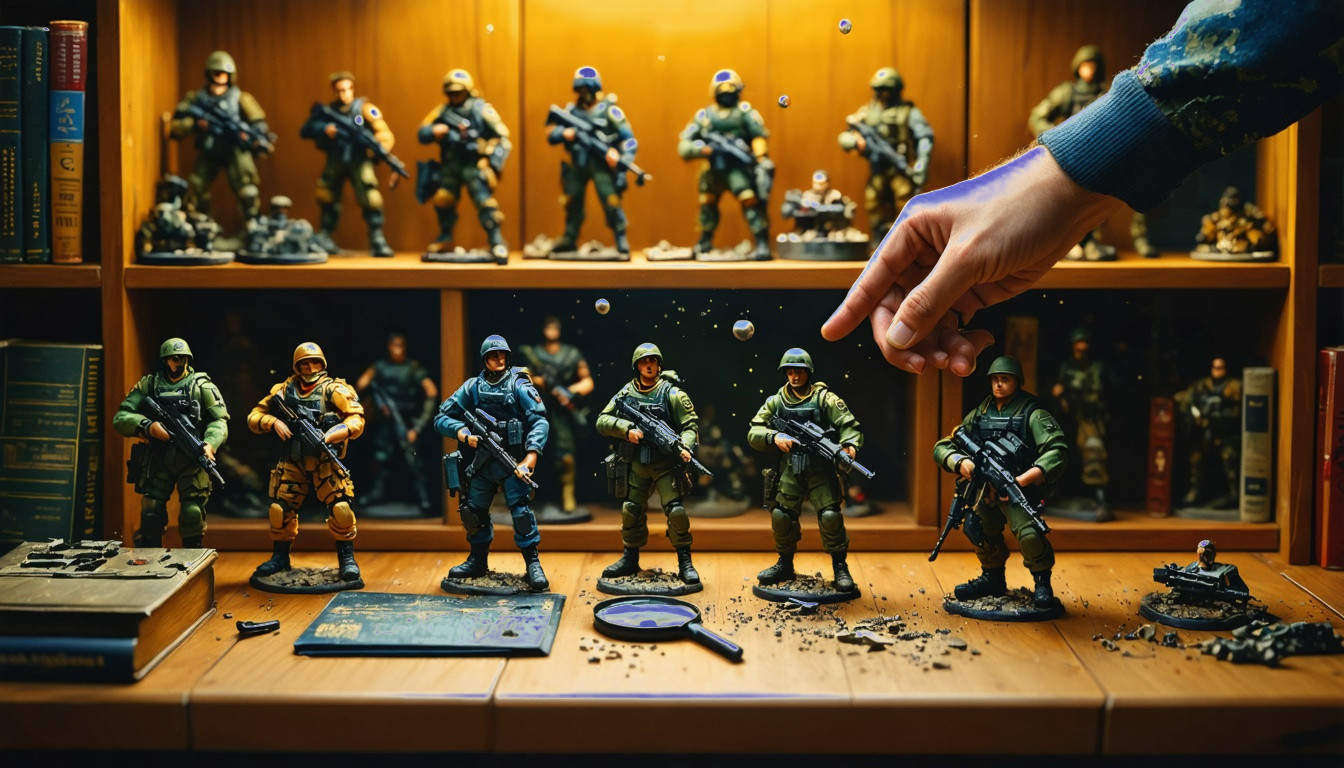
The G.I. Joe: A Real American Hero line ran from 1982 to 1994 and produced a massive toyline of 3.75-inch figures, vehicles and playsets. The 3.75-inch scale—roughly 1:18 scale—was proven by Star Wars and became the industry standard. If you're hunting vintage Joes or thinking about starting a collection, here's what you need to know.
Why the 3.75-inch scale mattered
Hasbro revived G.I. Joe in a smaller format after the original 12-inch figures had been off shelves for years. The 3.75-inch scale was proven by Star Wars and Micronauts toys. Each figure came with a file card, a piece of cardboard packaging with the character's code name, real name, military specialty, birthplace, rank and a personality quote. File cards are part of what made Joe special, and collectors should keep them intact.
Get it: G.I. Joe Classified Series Figure on Amazon (Modern figures for collectors who want articulation and display quality without hunting vintage pieces)
Construction and articulation across the line
Throughout the 1982–1994 run, figure construction stayed mostly the same, but key improvements happened:
- Early figures (1982–1983): Original figures with basic elbow bend articulation.
- Mid-series onward: Articulation improved, allowing better arm and neck movement.
- Later figures: Ball joints and other refinements dramatically increased poseability.
Early figures are stiffer but often more sought after by collectors for rarity. Later figures pose better but were produced in higher numbers.
Vehicles and playsets to hunt
Hasbro released dozens of vehicles and playsets. Some of the most recognizable and sought-after:
- Skystriker XP-14F: Joe's fighter jet.
- Cobra Rattler: Cobra's fighter jet.
- Dragonfly: Attack helicopter.
- V.A.M.P.: Joe's all-terrain vehicle.
- M.O.B.A.T. tank: Joe's main battle tank.
- Night Raven S3P: Cobra's sleek jet.
- Mobile Missile System (M.M.S.): Playset with launcher.
Original vehicles in good condition with all parts command serious collector interest. Playsets like the M.M.S. are harder to find complete.
What makes a figure valuable
Condition matters: figures still on the card (MOC—mint on card) are worth far more than loose figures. Early series figures from 1982–1983 tend to be rarer and pricier. File cards should be intact; a missing or damaged card cuts value. Figures with all original accessories (weapons, gear, helmets) are worth more than those without.
Check completed eBay listings to see what similar figures actually sold for, not asking prices. Rare variants—different paint colors, production runs from different countries, or figures that were short-packed—fetch premiums.
The line's end and what came after
The original A Real American Hero toyline ended in 1994. The line saw revivals in later years, with new collections and relaunches under different branding.
The original 1982–1994 figures remain the most collectible because they're the first, the most varied, and the ones most of us grew up with.
Where to start collecting
Vintage G.I. Joe figures are available through eBay, specialty toy sites, local comic shops and collector shows. Start with figures you remember or characters you liked from the cartoon and comics. Buy loose figures if you want to display and pose them; buy carded figures if you're collecting for investment. Know that condition grading varies, so ask sellers questions about damage, fading or loose joints.
If you're serious, check recent sold listings regularly. The market moves, and rarity shifts as collections get liquidated or discovered in attics. The hunt is half the fun—these figures are decades old now, and finding one you loved as a kid still feels like winning.
Quick answers
What's the difference between early and later series figures?
Early figures (1982–1983) have basic articulation and are generally rarer. Later figures have improved joints and poseability but were produced in higher numbers. Early figures tend to command higher prices with collectors.
Are loose figures worth collecting?
Yes. Loose figures are cheaper and let you display and pose them. Mint-on-card figures are worth more for investment, but loose figures with all original accessories are still collectible and more fun to handle.
Why did the original line end in 1994?
The toyline concluded in 1994, though the brand saw revivals in later years.
How do I know if a figure is valuable?
Check completed eBay listings for the same figure. Condition, rarity, year of release, intact file cards and all original accessories all affect price. Early 1982–1983 figures tend to be rarer and pricier than later releases.
🛒 Turning 50? There’s a birthday poster for that → Radazoid Shop
🖨️ Halloween printables at Printable Barn →
Was this worth your time?


Sound off
Disagree all you want, swear if you have to (we'll #@$%! it out). No harassment, slurs, threats, spam or links. Comments are screened before they appear, and you'll get a daily heads-up when the conversation picks up. Your email is never shown.