Are G1 Transformers worth money? What collectors actually pay for
Completeness, rub signs, stickers, boxes and inserts matter more than the toy itself.
This story has affiliate links. If you buy through them, Radazoid may earn a commission at no cost to you. How that works.
Yes, many G1 Transformers are worth money, but condition details—especially intact heat-rub insignias, complete accessories, tight joints and original boxes—determine whether you have a twenty-dollar flea market find or a four-figure collectible. The line ran from 1984 to 1990 in the US, and certain characters, years and packaging variations command serious premiums while others sit in dollar bins.
Which G1 Transformers are worth the most?
Boxed, complete examples of larger figures from the first two years top the market. Collectors chase Optimus Prime with his trailer, all missiles, fists, gun and fuel hose. Jetfire in the box with all armor and fast-packs. Soundwave with all cassettes and weapons. Devastator with six Constructicons, all parts and the combiner fists and feet.
Rarity drives some prices independent of character popularity. Mail-order exclusives, European releases that never hit US shelves, and late-run figures produced in smaller numbers fetch more. Japanese Diaclone and Microchange pre-Transformers versions of the same molds often sell for double or triple their Hasbro counterparts because of scarcity and collector crossover.
To check current market value for a specific figure, search eBay sold listings—not active listings—filtering by the character name, year and condition. Sold prices show what buyers actually paid, not what sellers hope for.
Why do rub signs, stickers and joints matter so much?
The heat-sensitive Autobot or Decepticon insignia—the rub sign—proves authenticity and indicates whether a toy spent decades in a box or in a kid's hands. Worn or missing rub signs cut value significantly because collectors assume heavy play wear throughout. Intact, crisp rub signs suggest careful storage.
Sticker condition separates average examples from premium ones. Factory-applied stickers that remain bright, flat and fully adhered command higher prices than toys with peeling, faded or missing decals. Reproductions exist, but collectors spot them and discount accordingly.
Joint tightness affects both display and value. Loose hips, shoulders or transformation joints make a figure floppy and hard to pose. Collectors pay more for tight joints because they indicate less play wear and better long-term stability. There's no easy fix for worn ratchets or ball joints without part replacement.
Completeness means every accessory, weapon, fist, missile and combiner part that left the factory. A Megatron without his scope, stock and silencer loses half its value. Check instruction scans online to verify what should be included, because memory fails and sellers guess.
How much does the box add to the value?
A lot. Boxed G1 Transformers in good condition sell for two to five times the price of loose examples, sometimes more for rare figures. The box proves authenticity, protects the toy and appeals to completist collectors who want museum-quality displays.
Box condition matters as much as the toy inside. Collectors grade boxes on flap integrity, color fade, crushing, tape damage and whether the original insert tray survives. A box with torn flaps, sun-bleached panels or missing inserts adds less value than a clean example with all paperwork, catalogs and cardboard inserts intact.
Instructions, tech spec cards and catalogs also affect price. A boxed Transformer with all paperwork commands a premium over one with just the box and toy. Collectors buy these separately to complete their sets, so check eBay for individual instruction booklet and tech spec sales to understand the component values.
How do you tell originals from reissues?
Hasbro and Takara reissued many popular G1 figures starting in the early 2000s, and some reissues look nearly identical to originals at a glance. Reissues are worth a fraction of what originals command, so identification matters before you buy or sell.
Check the copyright stamps molded into the plastic, usually on the feet, underside or inner surfaces. Originals carry 1980s dates and Takara or Hasbro markings. Reissues add later dates—often 2000s or 2010s—and sometimes Takara Tomy instead of just Takara.
Plastic quality differs. Originals used specific plastics that yellow or discolor in predictable ways over decades. Reissues use modern plastics that feel slightly different and lack the patina of age. Chrome parts on reissues often look brighter and less prone to flaking than originals.
Packaging is the clearest tell. Reissue boxes include modern barcodes, updated logos and sometimes bilingual text. Original boxes use 1980s Hasbro or Takara branding, older barcode formats and period-correct legal text. If you're buying online, ask the seller for clear photos of copyright stamps and box details before committing.
What's the best way to store G1 Transformers without losing value?
Keep them out of direct sunlight, which fades stickers and yellows white or light-colored plastic. Store in a climate-controlled space—not a garage or attic—because heat and humidity warp plastic, loosen joints and degrade rubber parts like tires and treads.
Transform figures back to vehicle or alt mode for storage to reduce stress on joints and tabs. Constant tension in robot mode can weaken ratchets and springs over time. If you display in robot mode, rotate the pose occasionally to avoid permanent joint fatigue.
For long-term storage, use acid-free boxes or plastic bins with tight lids. Wrap figures in acid-free tissue paper—not newspaper or regular tissue, which can transfer ink or chemicals. Store accessories in small zip bags labeled with the figure name so nothing gets separated or lost.
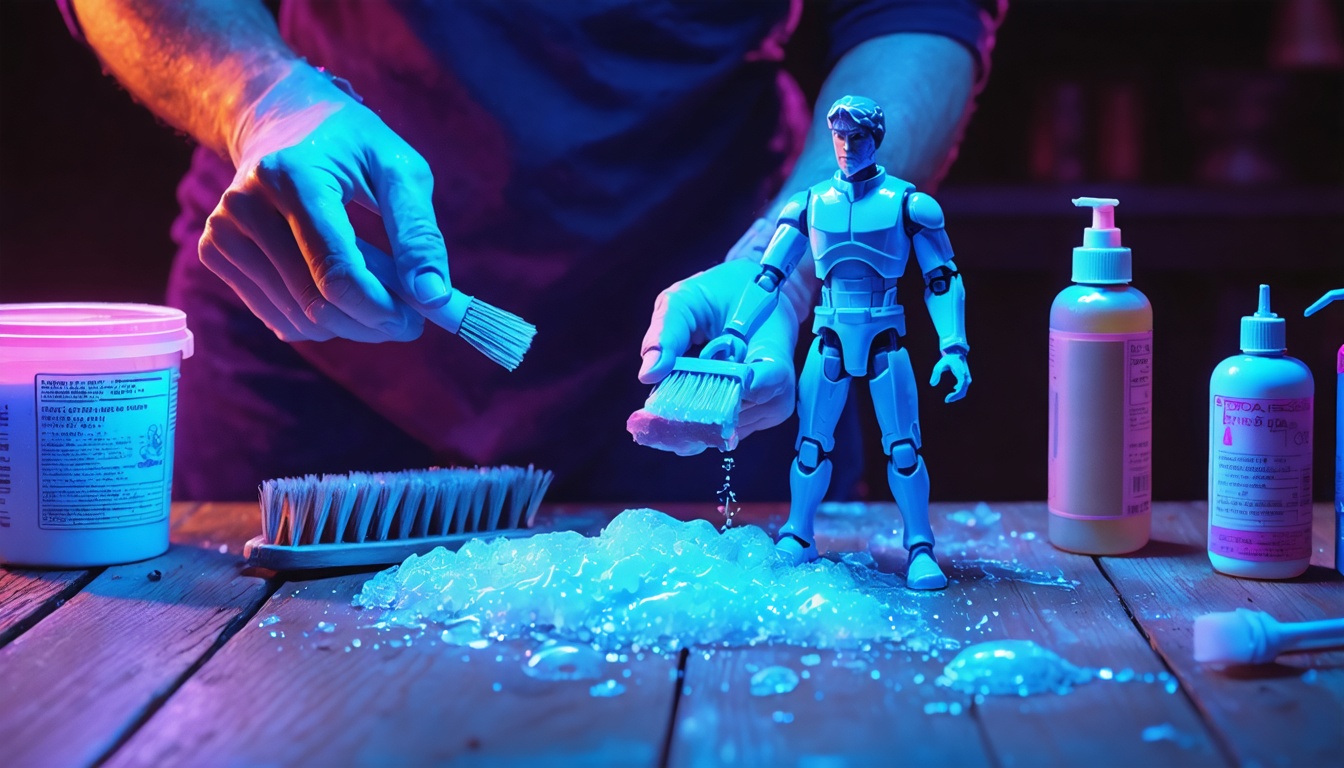
Our guide on how to store vintage toys so they don't yellow, crack or lose value covers the full process, including which plastics yellow fastest and how to slow it down. If you need to clean a figure before storage or sale, check how to clean yellowed, grimy old action figures without wrecking them for methods that won't damage stickers or rub signs.
Should you sell now or hold?
The G1 market has plateaued after a steep climb in the 2010s. Prices for common figures in average condition have softened as the generation that grew up with them ages and downsizes. Premium examples—boxed, complete, minty—still command strong money because serious collectors always chase the best.
If you're sitting on a collection in good shape, selling now makes sense. The buyer pool of forty- and fifty-somethings with disposable income is at its peak. Waiting another decade means competing with estate sales and the inevitable flood of collections hitting the market as our generation continues to age.
If you're buying, focus on figures you actually want rather than betting on appreciation. The days of G1 as a guaranteed investment are over. Buy what you loved as a kid, what looks cool on a shelf or what completes a specific set. Enjoy the hobby first, and if values climb, consider it a bonus.
For a broader look at which toys from our era hold value and why, read what actually makes an old action figure worth money. The principles apply across lines, not just Transformers.
Quick answers
Are loose G1 Transformers without boxes worth anything?
Yes, if they're complete with all accessories and in good condition. Loose figures sell for significantly less than boxed examples, but popular characters with tight joints and intact stickers still command decent money.
How can I tell if my G1 Transformer is a reissue?
Check the copyright stamps molded into the plastic for dates in the 2000s or later, and look for Takara Tomy instead of Takara. Reissue boxes also have modern barcodes and updated logos.
What's the most valuable G1 Transformer?
Boxed, complete examples of rare mail-order exclusives and late-run figures top the market, but values shift. Check eBay sold listings for current prices on specific figures rather than relying on old price guides.
Do broken or incomplete G1 Transformers have any value?
Sometimes, as parts donors. Collectors buy incomplete figures to harvest rare accessories, weapons or body parts for restoration projects, but expect a fraction of complete-figure prices.