How to spot a fake vintage Star Wars figure before you overpay
The tells that separate original Kenner from modern reproductions and knockoffs
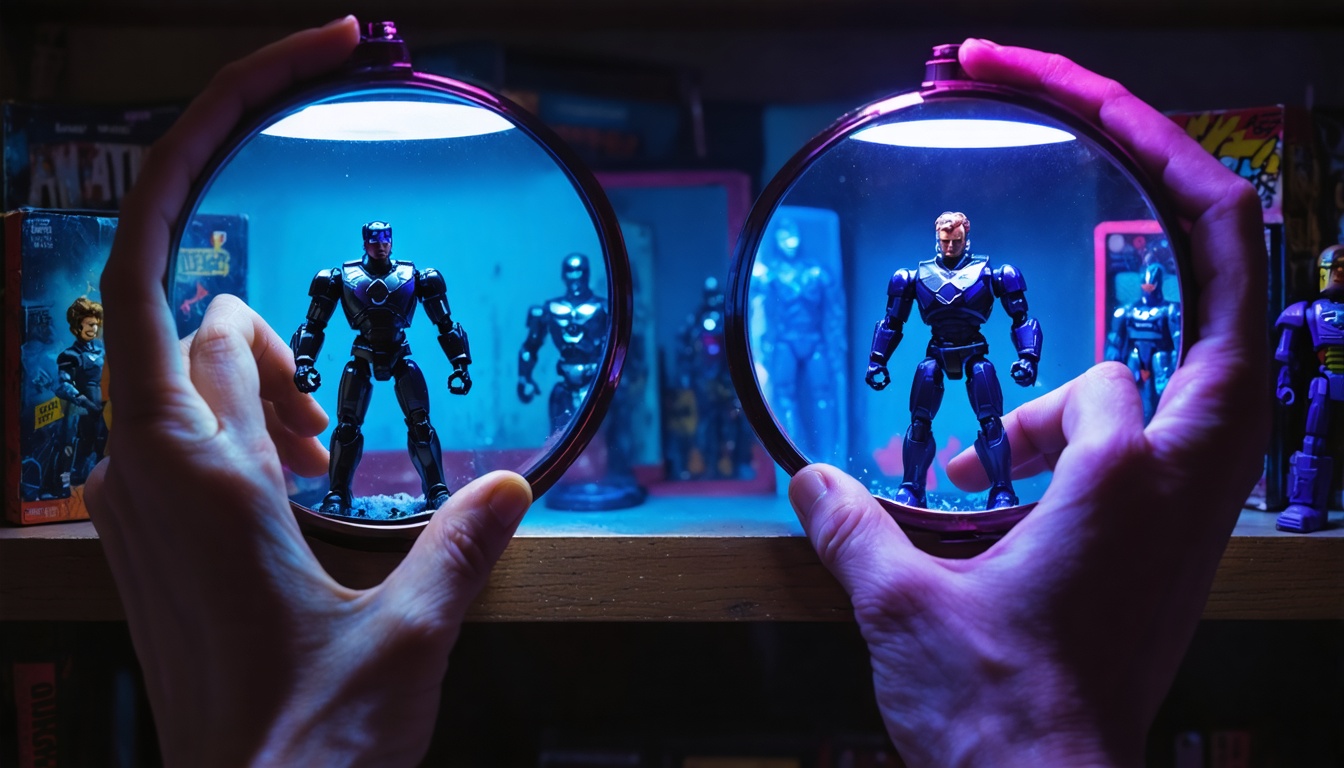
Real vintage Kenner Star Wars figures have specific copyright stamps on the legs or back, soft matte plastic with visible mold lines, thin paint that shows wear, and weapons that match the original molds. Reproductions usually fail at least two of those tests. If you're about to spend serious money on a figure you played with as a kid, knowing the tells saves you from expensive mistakes.
The market is full of fakes now. Some are honest reproductions sold as reproductions. Others are deliberate knockoffs trying to pass as originals. Either way, you need to know what to check before you hand over cash.
What do the copyright stamps say?
Every authentic Kenner figure from the original run has a copyright stamp molded into the plastic, usually on the back of one leg or across the lower back. The stamp includes the year, the country of manufacture and the Lucasfilm copyright. The exact text varies by figure and production year, but it's always there and always crisp.
Reproductions often skip the stamp entirely, use the wrong year, or show blurry molding where the text should be sharp. Some counterfeiters try to fake the stamp, but the lettering usually looks soft or slightly wrong. Get close with a magnifying glass or your phone camera zoomed in. If the stamp is missing or looks like it was added after the fact, walk away.
Does the plastic look and feel right?
Original Kenner figures were made from a softer plastic that has a matte finish, even when new. After decades, that plastic takes on a slightly chalky or dull look. Reproductions tend to use harder plastic with a shinier surface that catches light differently. The difference is subtle in photos but obvious in person.
Real figures also have visible mold lines—the seams where the two halves of the mold met. Those lines are thin but present. Reproductions sometimes sand them down or use molds that don't capture them correctly. Check the sides of the legs and arms. If the plastic feels slick or looks too clean, it's probably not original.
How does the paint hold up?
Kenner used thin paint applications that wore off with play and age. You'll see paint rub on high points—faces, belts, boots. The paint that remains should look slightly faded or uneven, not factory-fresh. Reproductions often use thicker, more durable paint that doesn't show the same kind of honest wear.
If a figure looks mint but claims to be from 1978, that's a red flag. Even carded figures that stayed in the package show some yellowing or paint shift. A figure with perfect paint and no wear is either a reproduction or has been restored, which tanks the value either way.
Do the weapons and accessories match?
Reproduction weapons are everywhere, and they're one of the easiest ways to get burned. Original Kenner weapons have the same copyright stamps as the figures, molded into the accessory itself. Repro weapons either skip the stamp or use incorrect text.
The plastic on original weapons also has the same matte, softer feel as the figures. Repro weapons tend to be shinier, slightly thicker, or cast in plastic that's a shade off from the original color. If you're buying a figure with a weapon, ask if the weapon is original. If the seller doesn't know or won't say, assume it's a repro and adjust what you're willing to pay.
What about cardbacks and packaging?
Reproduction cardbacks are common, and some are good enough to fool you in a photo. Original cards have printing that shows dot patterns under magnification—offset printing from the era. The cardstock also yellows and shows wear. Repro cards use modern printing that looks too sharp and paper that's too white.
If you're buying a carded figure, ask for close-up photos of the card's printing, especially around the logo and fine text. Look for signs of resealing: new glue, bubbles that don't match the card's age, or tape that's too clear. Resealed figures aren't worthless, but they're worth a lot less than an untouched original.
When should you pay for authentication?
If you're spending more than a couple hundred dollars on a single figure, especially a rare character or a graded piece, third-party authentication makes sense. Services that grade and encapsulate figures check for reproductions as part of the process. The cost of grading is usually worth it for high-value items, and a graded figure is easier to resell later.
For cheaper figures or lots, you're on your own. Learn the tells, ask questions, and don't buy from sellers who won't provide detailed photos or answer basic questions about copyright stamps and plastic feel. The market has plenty of honest sellers who know the difference and will tell you straight.
Most of the expensive mistakes happen when someone gets excited and skips the checks. Take your time. If a deal seems too good, it probably is.
Quick answers
Where is the copyright stamp on a real Kenner Star Wars figure?
The stamp is molded into the back of one leg or across the lower back, and it includes the year, country and Lucasfilm copyright in crisp lettering.
Can reproductions have copyright stamps?
Some do, but the text is usually blurry, uses the wrong year, or looks added after molding rather than cast into the plastic.
How can I tell if a vintage Star Wars weapon is a reproduction?
Check for a copyright stamp on the weapon itself, and compare the plastic—repros tend to be shinier, thicker, or slightly off in color.
Are graded figures always authentic?
Reputable grading services check for fakes as part of the process, so a graded figure from a known company is much safer than an unverified loose figure.