The Cabbage Patch Kids riots of 1983, explained
How a soft-faced doll with adoption papers turned Christmas shopping into a contact sport.

Every few years there's a "must-have" toy that sells out and causes chaos. The original modern version of that story is the Cabbage Patch Kids, Christmas 1983.
Where they came from
The dolls started with Xavier Roberts, a young artist in Georgia who made handmade soft-sculpture dolls in the late 1970s. He didn't sell them. He had them "adopted." Buyers got a doll with a name and adoption papers, and Roberts ran the operation out of a converted clinic in Cleveland, Georgia, called Babyland General Hospital. Staff dressed as doctors and nurses. It was weird, and it worked.
Early on the dolls were called Little People. Then toy maker Coleco licensed them, renamed them Cabbage Patch Kids, and brought them to the mass market in 1983.
The hook
A few things made them stand out:
- Every doll was a little different. Coleco varied features like hair, face and outfit so no two dolls were exactly alike.
- Each came with a name and adoption papers. Kids didn't just get a doll. They got a specific doll, with a birth certificate and a name.
- Xavier Roberts' signature was on the doll's backside. Every kid who had one knows exactly where to look.
For kids, that made it personal. For parents, it meant you couldn't just grab any doll. Your kid wanted one of their own.
Then came Christmas
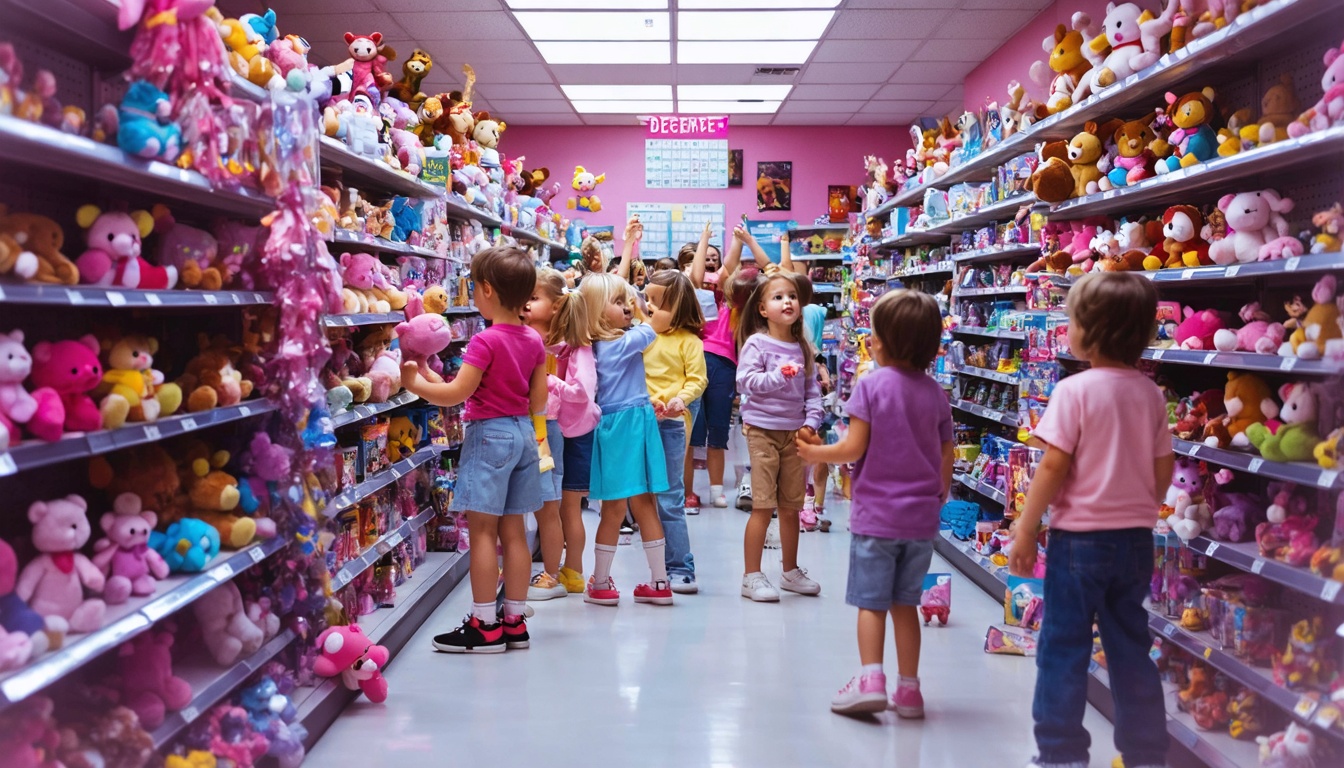
Demand blew past supply almost immediately. Stores couldn't keep them on shelves. When shipments came in, crowds showed up, and things got ugly. News coverage from that season showed shoppers shoving and grabbing at dolls, and there were reports of people getting hurt in the scrum.
The craziness became a story in itself. Newspapers and TV covered the shortages nationally, which only made more people want one. Resellers asked far more than retail.
It was the template every later toy panic followed: limited supply, huge media attention and a feeling that your kid would be the only one without it.
What happened next
The boom made Coleco a lot of money for a while, but it didn't last. The company had other troubles too, including its push into home computers with the Coleco Adam, and Coleco filed for bankruptcy in 1988. Hasbro bought most of its assets the following year, including the Cabbage Patch line.
The dolls themselves never really went away. Different companies have made them over the decades, and Babyland General Hospital still exists in Georgia as a tourist stop.
The long tail
Every "hot toy" frenzy since owes something to 1983. Tickle Me Elmo in 1996 and Furby a couple of years later followed the same playbook: a toy kids saw on TV, not enough of them, and grown adults doing things in a store aisle they'd rather not see on the news.
If you have one of the original dolls in a closet, good news and bad news. It's a great piece of history. They were also made in huge numbers, so most are worth more as memories than money.