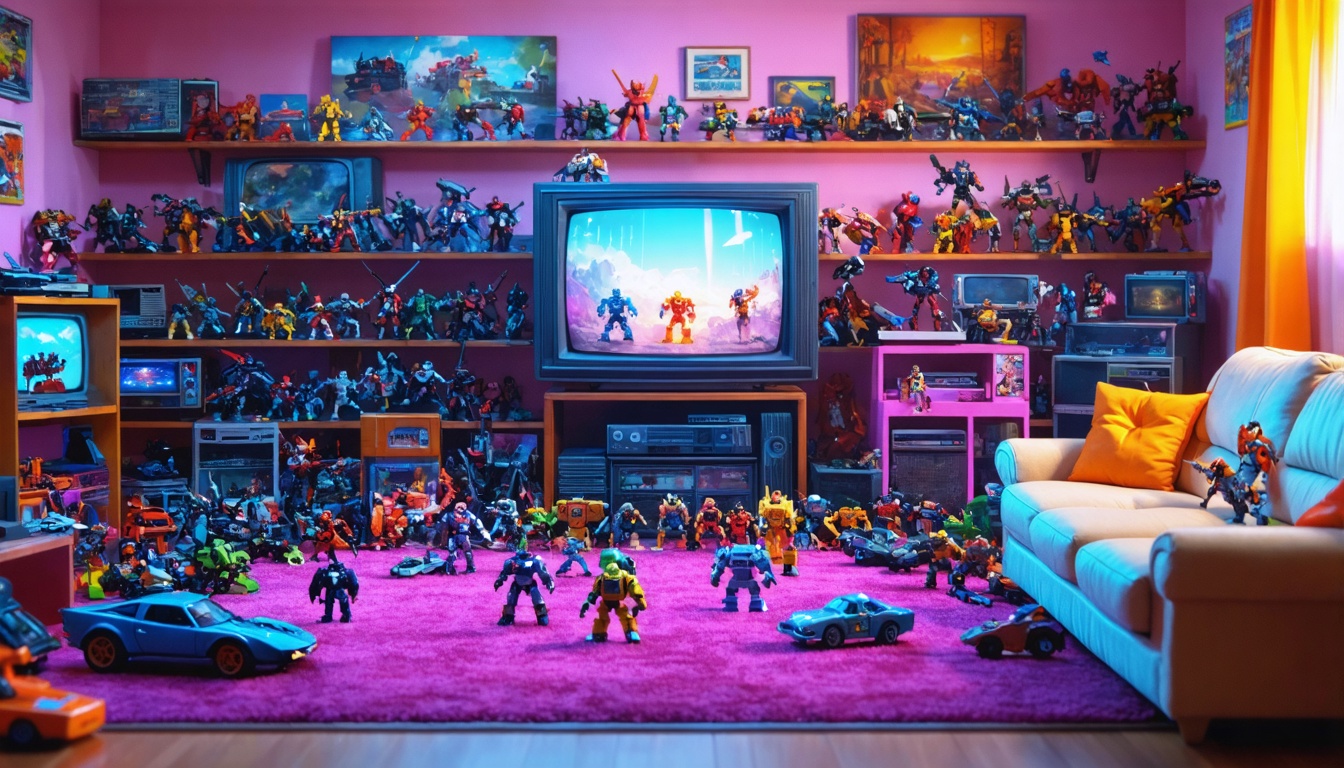
How to store vintage action figures so they don't rot in the closet
Sunlight, heat, humidity and the wrong plastic bags are quietly ruining your childhood toys; here's how to stop it.
This story has affiliate links. If you buy through them, Radazoid may earn a commission at no cost to you. How that works.
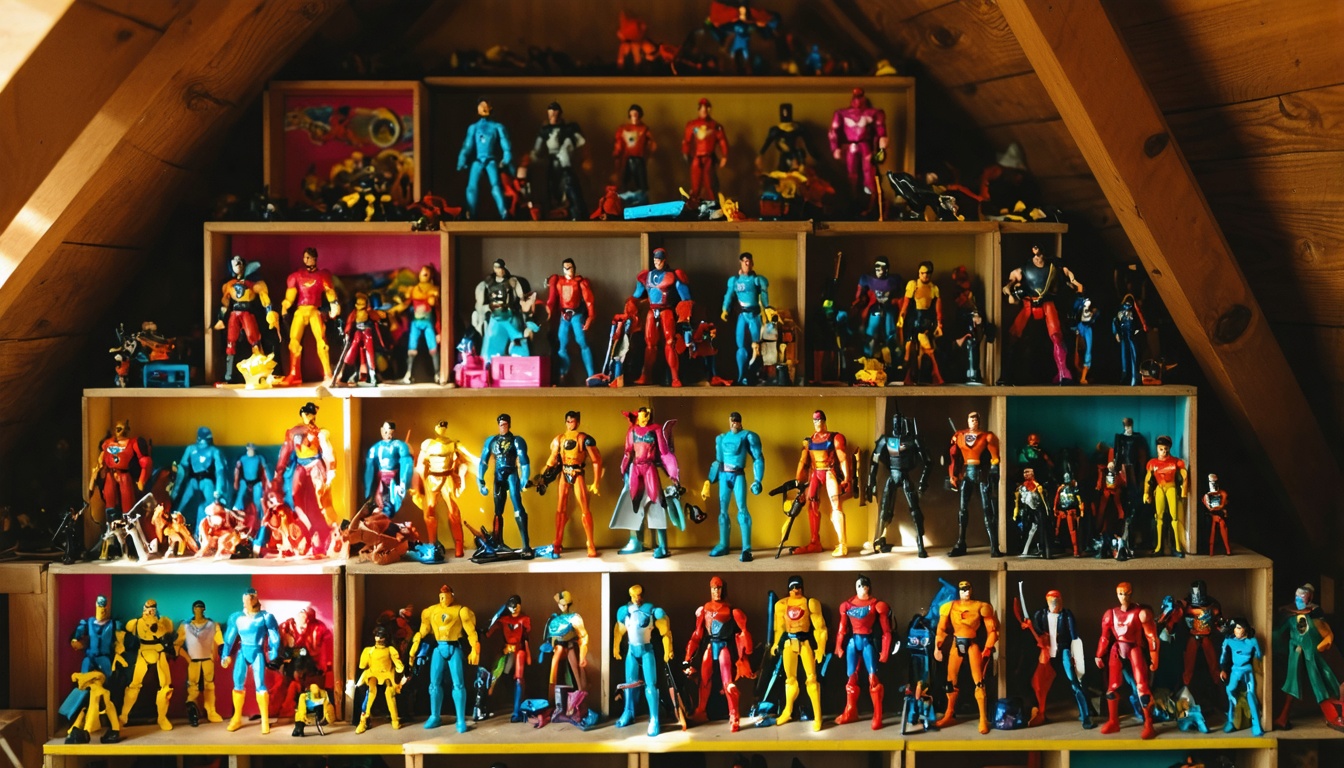
You finally dug out the box of figures from your parents' house. Good. Now let's not wreck them.
Old plastic isn't fragile in the way glass is. It's fragile in slow, sneaky ways. Most damage to vintage toys comes from where and how they're stored, not from being played with.
Get them out of the attic and basement
Attics bake in summer and freeze in winter. Basements can be damp. Both are bad. Heat warps plastic and makes soft parts go gummy. Humidity breeds mold on cardboard and paper, and it can rust metal rivets and pins.
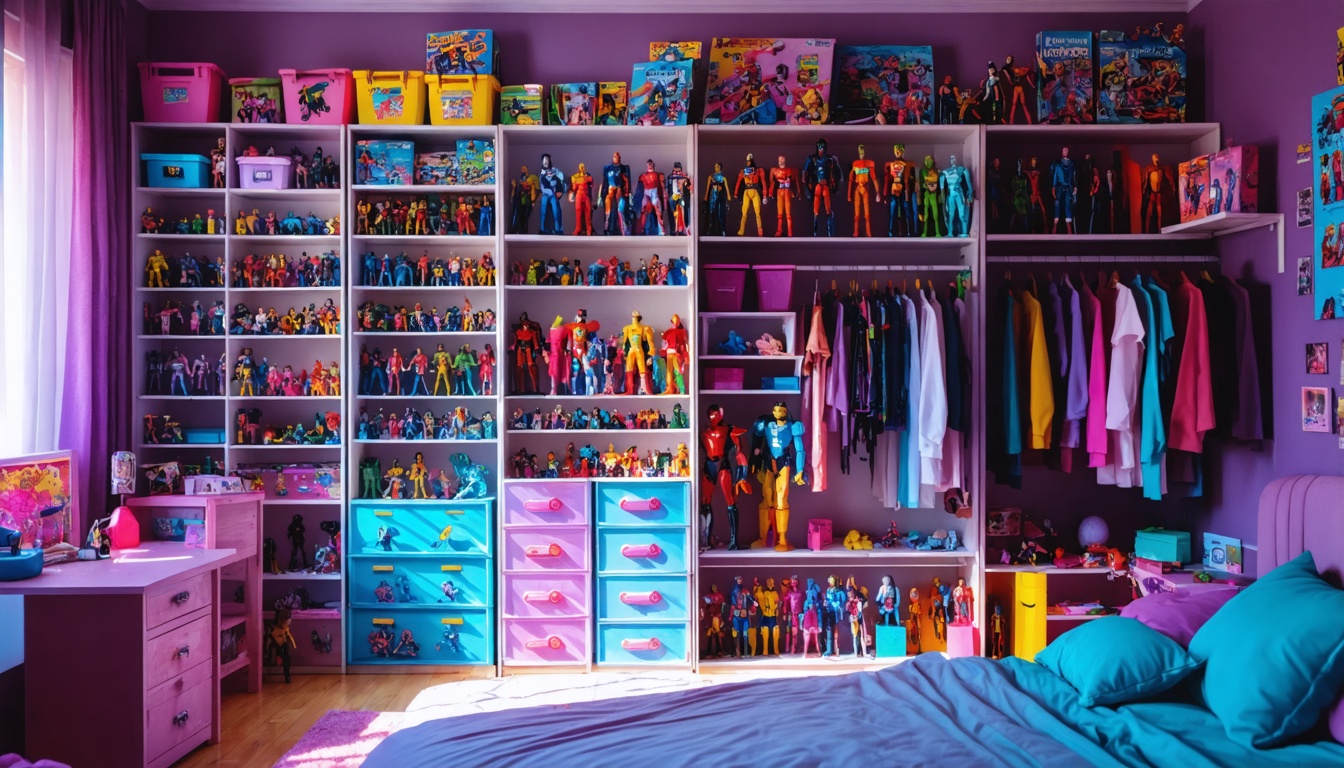
The best spot is boring: an interior closet or room in the living part of the house, where the temperature and humidity stay pretty steady. If you're comfortable there, your figures probably are too.
Keep the sun off them
UV light fades paint and plastic, and it yellows clear blisters on carded figures. A shelf in direct sunlight will slowly bleach whatever's on it. If you display, pick a wall that doesn't get direct sun, or use cases with UV protection. LED lights put out much less heat and UV than old halogen bulbs.
Watch the rubber bands inside
If you had G.I. Joe: A Real American Hero figures, they're held together at the waist by a small rubber O-ring. Those rings dry out and snap with age. When that happens, the figure falls apart in your hand. It's not a disaster. Replacement O-rings are cheap and easy to find, and swapping one takes a screwdriver and a few minutes. Just know it's coming.
Separate different plastics
Soft rubbery plastics can react with harder ones over time. Pile everything together in a bin for years and you can get stains, sticky spots and paint transfer where figures touched. Store figures so they're not pressed against each other, especially if they're different materials.
Use the right bags and boxes
- Bags: Use acid-free polyethylene or polypropylene bags made for collectibles. Skip old sandwich bags of unknown material and anything that smells strongly of plastic.
- Accessories: Bag the tiny guns, swords and backpacks separately and label them. That one missing rifle is what drives a figure's value down.
- Boxes: Acid-free storage boxes are better than random cardboard, which can break down and stain over time.
- Carded figures: Put them in hard plastic protector cases. It keeps corners sharp and blisters from getting crushed.
Clean gently, if at all
If a figure is dirty, mild soap, lukewarm water and a soft brush are plenty. Skip harsh chemicals, hot water and anything abrasive, since those can strip paint or fade colors. Let it dry completely before you put it away. Never clean a carded figure by getting the card wet.
Don't over-handle the good stuff
Skin oils and constant joint movement wear down paint and loosen limbs. For the pieces you care most about, display them, look at them, and leave them alone.
The quick version
Cool, dry, dark and steady. Separate bags for accessories. Proper cases for anything on a card. Do that and your figures will outlast the next round of reboots. If you need gear, start with action figure protector cases and work from there.