The cartoon was the commercial: how toys took over 1980s TV
He-Man, Transformers and G.I. Joe weren't shows that spawned toys. A lot of them were toys that got shows.
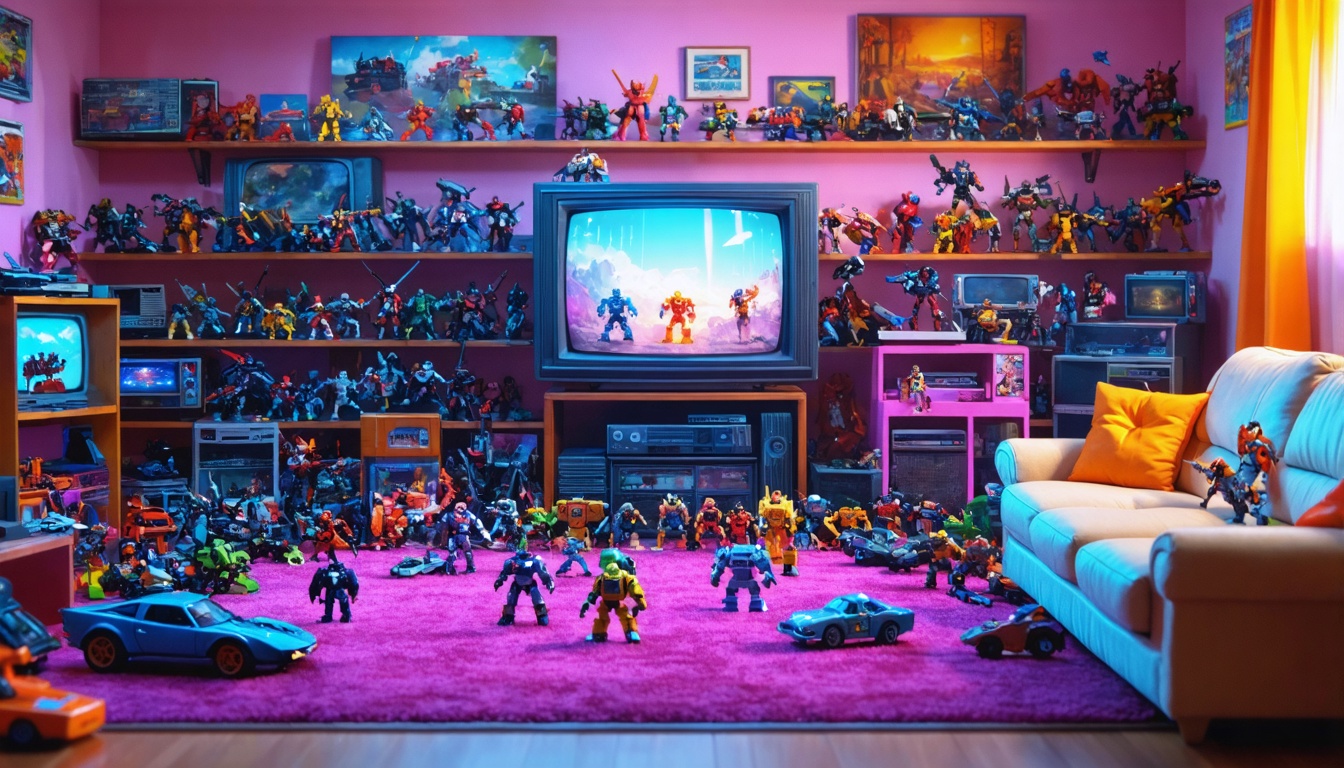
If it felt like every cartoon you loved in the '80s had an action figure aisle waiting at the store, that's because the aisle often came first.
Toys first, stories second
Mattel launched its Masters of the Universe toy line in 1982. The cartoon, He-Man and the Masters of the Universe, arrived in syndication in 1983. The show's job was to give kids a reason to want Castle Grayskull and every figure that came with it, and it worked spectacularly.
Other toy companies followed the same pattern. Lines with huge rosters of characters, vehicles and playsets got animated series that introduced new figures every season.
Why it was allowed
Earlier rules and guidelines had kept a wall between kids' shows and the products advertised during them. In 1984 the FCC dropped its guidelines limiting commercial content in children's TV, and the toy-driven cartoon boom took off. Congress pushed back with the Children's Television Act of 1990, which capped ad time in kids' programming.
Why we still love them anyway
The motive was selling plastic, but the shows built worlds kids took seriously: heroes, villains, catchphrases, theme songs you can still sing. That emotional pull is exactly why reissues of these same figures sell to grown men today.