What your old action figures are actually worth (and how to check in 10 minutes)
The fastest way to price your childhood toys without guessing or getting scammed
Most loose 80s and 90s action figures sell for five to twenty dollars unless they're complete, mint and from a hot line. The figures you remember from Saturday mornings are rarely worth hundreds, but a few specific toys in the right condition can surprise you. You can check real sold prices yourself in ten minutes using eBay's completed listings filter.
How to check what your figures actually sold for
Go to eBay and search the toy's name, line and year if you know it. On the left sidebar, scroll down and check the box for Sold Items. Green prices mean someone paid that amount. Crossed-out prices are unsold listings where the seller aimed too high.
Look at five to ten sold examples that match your figure's condition. That range is what yours will sell for. Ignore the outliers—one guy paying two hundred dollars for a common figure doesn't set the market.
This method works for G.I. Joe, Transformers, He-Man, Teenage Mutant Ninja Turtles, Star Wars and everything else. It takes longer to log in than to get your answer.
What condition grade means and why it matters
Collectors use a loose grading scale that goes like this:
- Mint or near mint: no paint wear, tight joints, no discoloration, all accessories
- Excellent: minor paint rubs, still displays well, most accessories
- Good: visible wear, some missing paint, joints still work
- Fair or poor: heavy wear, broken parts, marker or chew marks
The gap between mint and good can be five times the price. A mint loose Cobra Commander with his accessories might sell for forty dollars. The same figure with a chewed arm and no gear sells for six.
Be honest when you grade your own stuff. Overgrading just wastes everyone's time and kills your sale.
Loose versus carded and why the card matters so much
A figure still sealed on its original card is worth more than the loose version, sometimes ten times more. A carded 1982 Star Wars figure in good shape can hit triple digits. The same figure loose and complete might bring twenty.
The card has to be in good shape too. Crushed bubbles, torn cardboard, sun fade and price stickers all hurt the value. Collectors who buy carded figures want them displayable or gradable.
If your figure is still carded, don't open it to check the accessories. You just turned a hundred-dollar item into a ten-dollar one.
Why complete accessories and weapons double the price
Most kids lost the tiny guns, backpacks, swords and helmets within a week. Collectors want them back. A complete loose figure sells for twice what an incomplete one does, sometimes more.
Look up what came with your figure before you sell it. Some lines like G.I. Joe included a dozen small parts. If you're missing the filecard or a single rifle, mention it. Buyers will notice anyway.
If you have a box of loose accessories, match them up before you list anything. Five incomplete figures might become two complete ones and three parts lots.
What kills value faster than anything else
Marker, pen and paint damage drop a figure to junk-lot pricing. So do chew marks, cracks, broken joints and missing limbs. You can still sell damaged figures, but expect a dollar or two each unless the character is rare.
Reproduced accessories fool no one and add no value. Collectors can spot a repro weapon from the plastic color and mold quality. If you replaced a lost part with a replica, say so.
Repaints, custom figures and loose figures someone put on a different card are worth whatever the buyer feels like paying, which is usually less than you hoped.
Which lines and characters actually command real money
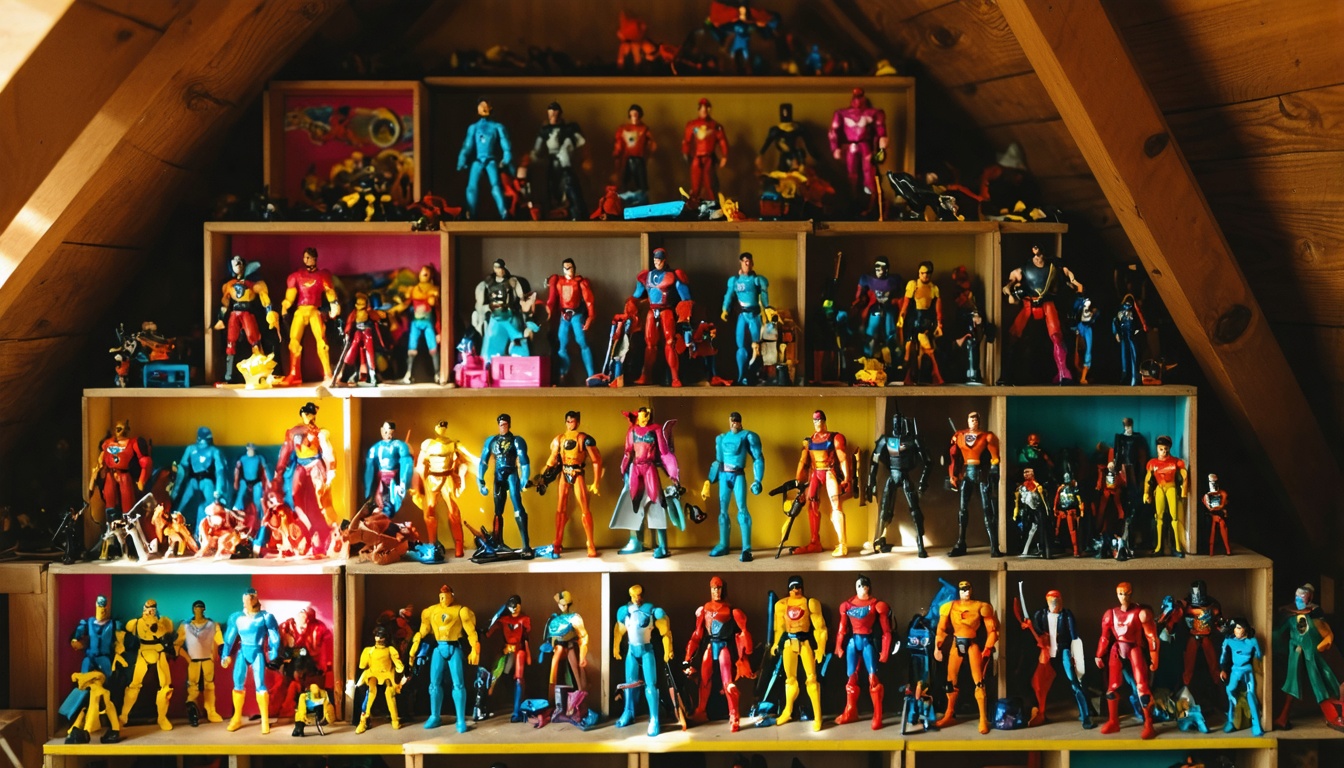
Vintage Star Wars figures, especially from the first few years, still sell well if they're complete. Early Transformers in good shape with all their parts and paperwork can hit fifty to a hundred dollars loose. First-wave G.I. Joe figures from 1982 and 1983 move fast when they're mint and complete.
He-Man, TMNT and most other 80s lines sell for less unless the figure is a villain, a rare variant or a late-run character that shipped in smaller numbers. The heroes everyone owned are common and cheap.
Lines from the 90s onward were produced in huge numbers and most are worth five dollars or less loose. There are exceptions—certain Spawn figures, some Beast Wars Transformers, a few Power Rangers villains—but they're not the norm.
How to sell without getting ripped off or wasting time
If you have one or two figures, sell them yourself on eBay or Mercari. Take clear photos, describe the condition honestly and check completed sales for your price. You'll net more than selling to a dealer or a reseller who messages you on Facebook.
If you have a large collection, consider selling it as one lot. You'll get less per figure, but you'll move everything in one transaction. Collectors and resellers buy lots to cherry-pick the good stuff and flip the rest.
Avoid stores that offer to buy your toys on the spot unless you just want them gone. Their offer will be a fraction of retail because they need room to make a profit. You're trading money for convenience.
For more on what drives action figure prices and why some toys appreciate while others don't, read our breakdown of the factors that create value. And if you're planning to keep your figures instead of selling them, here's how to store them so they don't rot in the closet.
Quick answers
Are any of my childhood action figures worth hundreds of dollars?
A few specific figures in mint condition with all accessories and packaging can reach that level, but most loose 80s and 90s toys sell for five to twenty dollars. Check eBay sold listings for your exact figure to know for sure.
Does it matter if my action figure is missing its weapons or accessories?
Yes. A complete figure with all its original accessories typically sells for twice the price of an incomplete one, sometimes more depending on the line.
Should I get my old toys professionally graded before selling them?
Only if the figure is rare, mint and still sealed on its card. Grading costs money and time, and most loose figures don't gain enough value to justify it.
Where's the fastest place to check what my figures are worth?
eBay's sold listings filter shows you what people actually paid for the same toy in the same condition. It takes about ten minutes and costs nothing.