How to store vintage toys so they don't yellow, crack or lose value
Light, heat and humidity are slowly wrecking your collection—here's how to stop it.
This story has affiliate links. If you buy through them, Radazoid may earn a commission at no cost to you. How that works.
Keep vintage toys in a cool, dry, dark place using acid-free materials, and never store them in attics, garages or basements if you care about condition. The difference between a figure that holds value and one that yellows, cracks or warps comes down to three enemies: light, heat and humidity.
Why attics and garages wreck toys
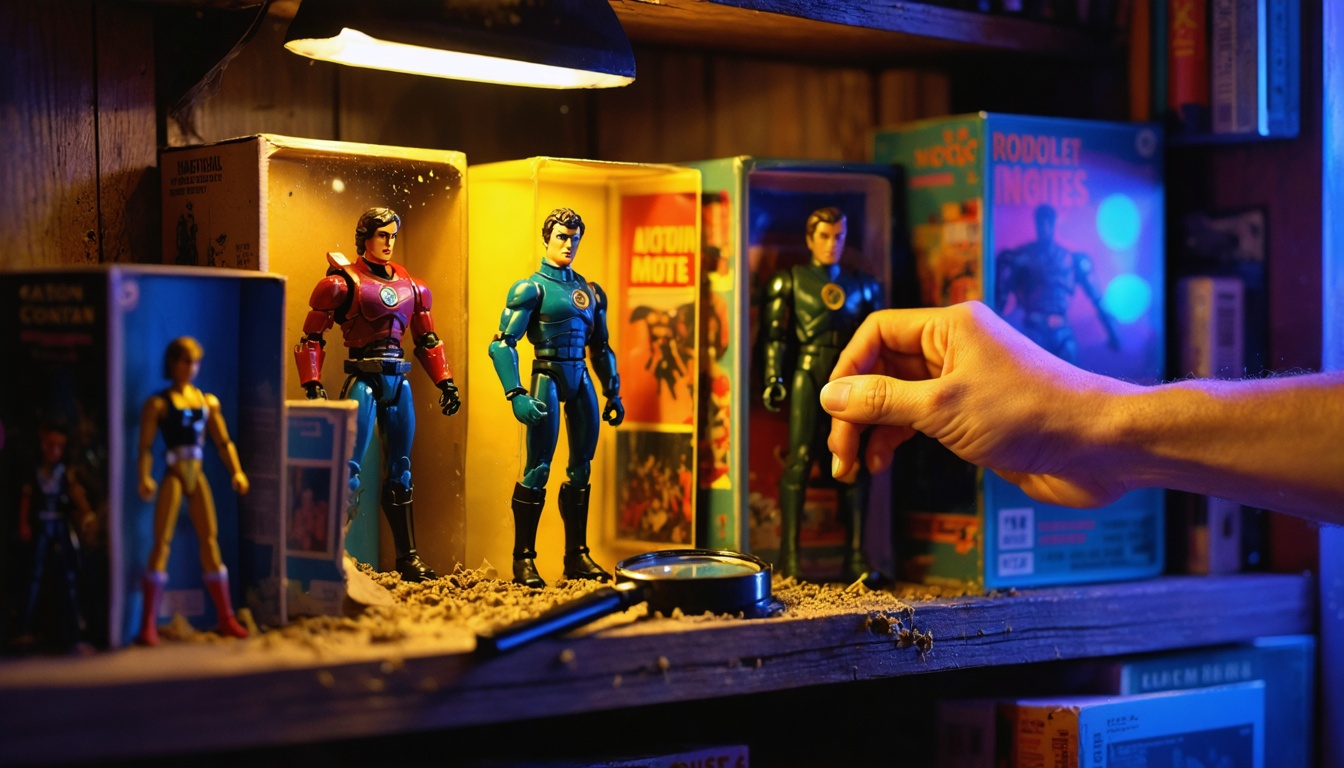
Attics and garages swing between temperature extremes. Summer heat softens plastic, warps cardboard and accelerates yellowing. Winter cold makes plastic brittle. Humidity does the rest—it causes mold on cardboard, rust on metal parts and sticky residue on figures.
Basements are better for temperature but worse for moisture. Unless you run a dehumidifier year-round, you're asking for mold and corrosion.
The ideal spot is climate-controlled: a closet, spare room or under-bed space where the temperature stays between 65 and 75 degrees and humidity sits around 40 to 50 percent. If you're serious about long-term storage, a small hygrometer costs about ten bucks and tells you whether your space is stable.
What light does to plastic
Ultraviolet light breaks down the chemicals in ABS plastic, the material used in most 80s and 90s action figures. That's what causes yellowing, especially on white and light-colored plastic. Sunlight is the worst, but even fluorescent bulbs and LEDs emit some UV.
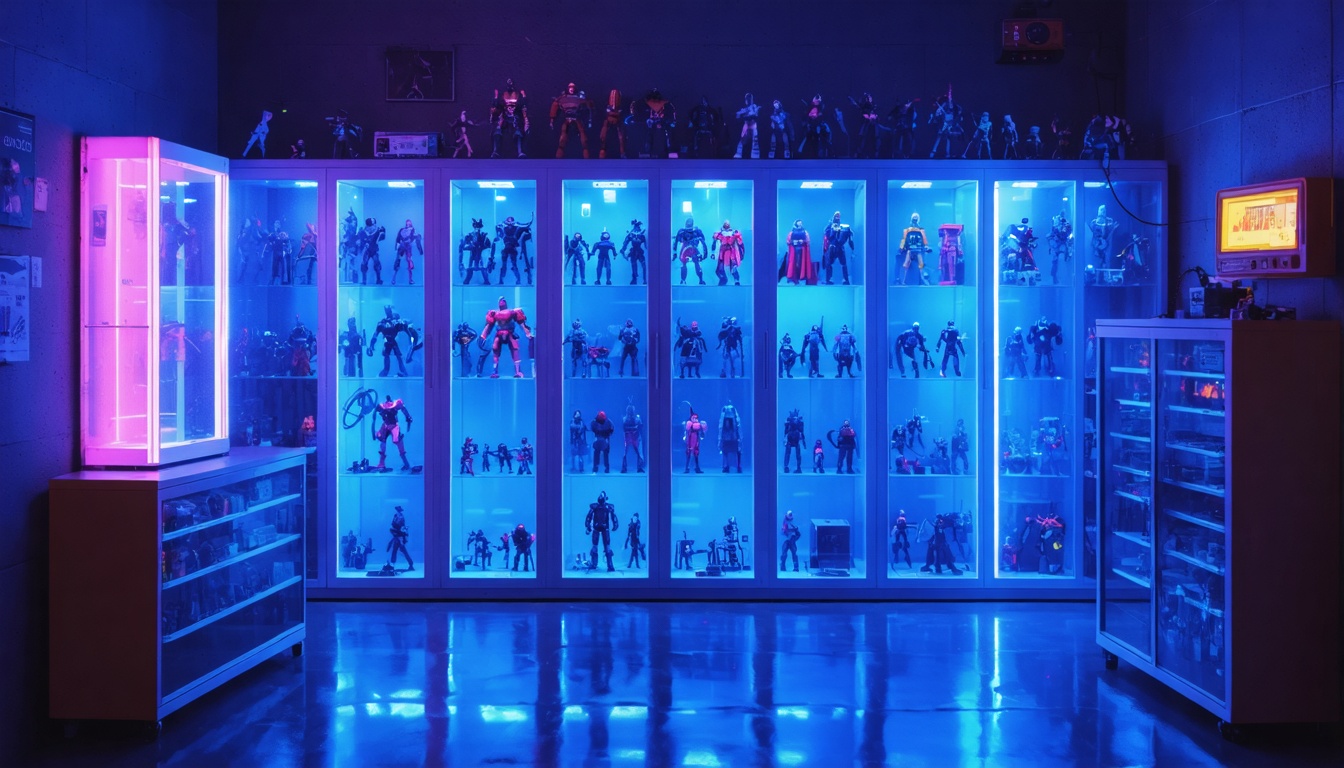
Store toys in opaque containers or wrap them in acid-free tissue if you're keeping them in boxes. If you display figures on shelves, keep them away from windows and consider UV-filtering glass or acrylic cases. The damage is cumulative and irreversible.
Acid-free storage materials and why they matter
Regular cardboard, tissue paper and plastic bags contain acids that leach into toys over time, causing discoloration and brittleness. Acid-free tissue paper and archival storage boxes are pH-neutral and won't react with plastic or cardboard.
For loose figures, wrap each one individually in acid-free tissue and store them in plastic bins with tight lids. For carded figures, use protective cases designed for the card size—Star Wars, G.I. Joe and Transformers each have specific dimensions. The cases shield the bubble and card from dings, dust and UV.
Never use rubber bands, twist ties or tape directly on vintage packaging. They leave marks, residue and creases that kill resale value.
How to handle carded and boxed toys
Mint-on-card figures are worth more than loose ones, but only if the card stays mint. Store them upright or flat, never leaning at an angle. Gravity will warp the card over time.
If you stack boxed toys, put the heaviest on the bottom and never stack more than three or four high. Crushing is permanent. Use shelf dividers or bins to keep stacks from tipping.
Check stored toys once or twice a year for early signs of trouble: sticky plastic, discoloration, musty smells or insect damage. Catching problems early means you can move things before real harm sets in.
What to do with toys you've already stored wrong
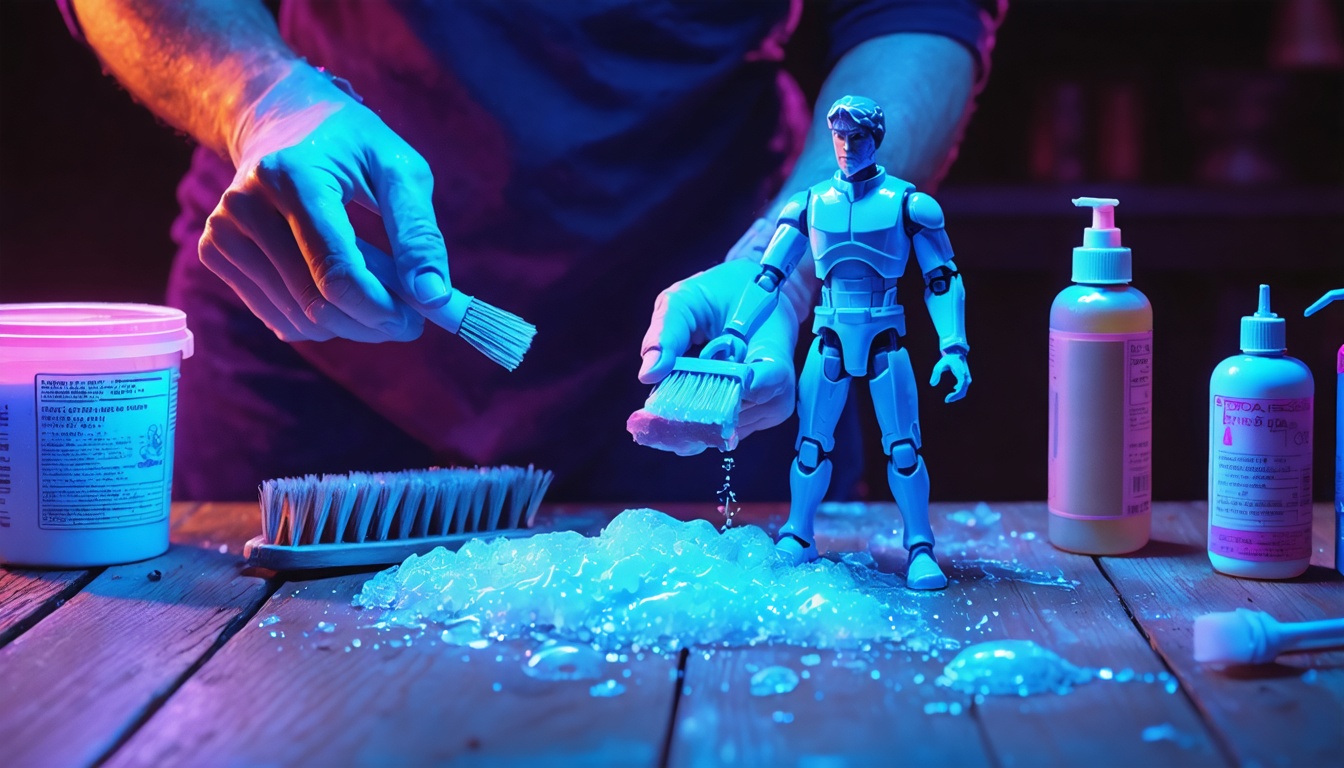
If your toys have been sitting in a hot attic or damp basement, inspect them before you move them. Look for warping, yellowing, mold or rust. Some damage can be reversed—yellowing can sometimes be reduced with hydrogen peroxide treatments, and light grime wipes off with the right cleaner.
But warped plastic and rusted metal are done. Move what's salvageable to proper storage now. The longer toys sit in bad conditions, the worse they get.
Is all this effort worth it?
If you're keeping toys for nostalgia and don't care about resale, you can relax a little. A yellowed He-Man still brings back Saturday mornings.
But if you're holding onto toys that are worth real money or plan to sell someday, condition is everything. The difference between a near-mint carded figure and a sun-damaged one can be hundreds of dollars. Check current sold listings on eBay for your specific toys to see whether the effort pays off.
Storage done right costs a few bucks in tissue paper and bins. Storage done wrong costs you the collection.
Quick answers
Can I store vintage toys in plastic bins?
Yes, as long as the bins have tight lids and you keep them in a climate-controlled space. Use acid-free tissue to wrap individual figures and avoid bins that trap moisture.
Does sunlight really yellow action figures?
Yes. UV light breaks down the plastic and causes permanent yellowing, especially on white and light-colored figures. Keep toys out of direct sunlight and away from windows.
How do I know if my storage space is too humid?
Use a hygrometer to measure humidity. Aim for 40 to 50 percent. Higher humidity causes mold on cardboard and rust on metal parts.
Should I take toys out of their original boxes for storage?
No, if the packaging is part of the value. Store boxed and carded toys in protective cases to shield them from damage while keeping them sealed.