The best way to sell old toys: eBay, Facebook, shows or a dealer?
Trade-offs of each channel, fees, photos and descriptions that sell, lots vs singles, and avoiding scams.
This story has affiliate links. If you buy through them, Radazoid may earn a commission at no cost to you. How that works.
eBay reaches the most collectors and gets you top dollar for rare pieces, but Facebook Marketplace and toy shows move bulk faster with less hassle, and a dealer pays instantly if you need cash now and don't want to photograph 200 figures. The right channel depends on what you're selling, how much time you have, and whether you want maximum money or minimum headache.
Should you sell on eBay or Facebook Marketplace?
eBay connects you to collectors worldwide who will pay premium prices for specific figures, especially complete, mint or rare items. Auction format can push prices higher when two bidders want the same thing. The trade-off: eBay takes roughly 13 percent in fees (listing plus payment processing), and you handle packing, shipping, and the occasional return or dispute. Buyers expect detailed photos, accurate descriptions, and fast shipping.
Facebook Marketplace costs nothing in fees and works best for local pickup. You avoid packing and shipping, meet face-to-face, and get cash on the spot. The downside: your audience is smaller—mostly people within driving distance—so rare or high-value items may not find the right buyer. Facebook also attracts more tire-kickers and no-shows. It's ideal for bulk lots, common figures, or anything bulky that would cost a fortune to ship.
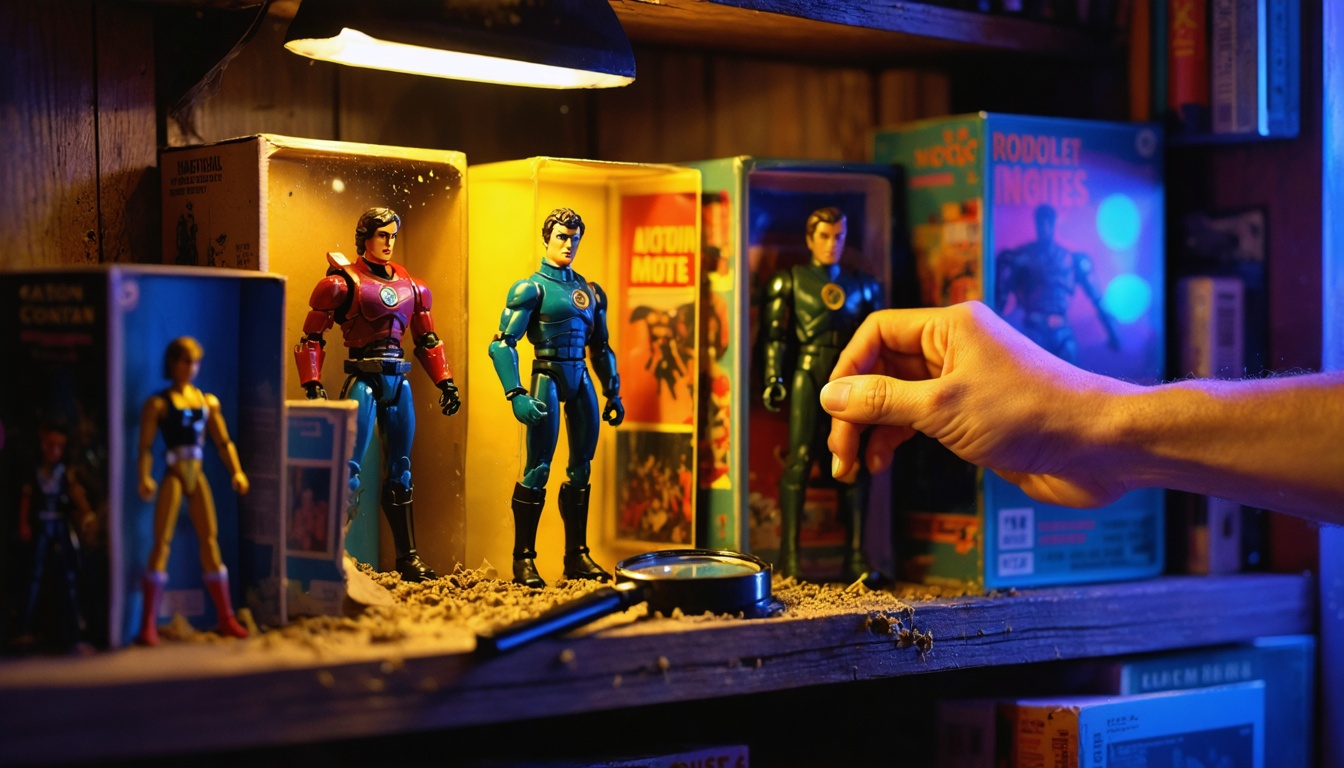
Use eBay for vintage action figures worth more than fifty bucks, anything mint-in-box, or items collectors search for by name. Use Facebook for bins of loose figures, playsets, or anything you want gone this weekend. Before you list anywhere, check what similar items actually sold for—not what they're listed at—by searching eBay's sold listings or checking what your old action figures are actually worth.
What about toy shows or conventions?
Toy shows put you in front of serious collectors and dealers in one day. You rent a table, set up your stuff, and negotiate face-to-face. Cash changes hands immediately, and you go home lighter. The energy is fun, and you can size up buyers in person—no PayPal disputes, no porch pirates.
The catch: table fees run anywhere from twenty to a few hundred bucks depending on the show, and you spend a full day standing there. You also compete with dozens of other sellers, so pricing has to be sharp. Shows work best when you have a lot to move, enjoy the social side, and want to clear inventory fast. They're less ideal for single high-value pieces that might sit on your table all day while the right buyer is online.
Should you just sell to a dealer?
A dealer offers speed and zero hassle. You bring your toys, they make an offer, you walk out with cash. No photos, no listings, no shipping. If you need money now or just want the stuff gone, a dealer is the path of least resistance.
Expect to get roughly 40 to 60 percent of retail value, sometimes less. Dealers need margin to resell, and they take the risk that your toys might sit in their shop for months. This route makes sense for bulk collections, common items, or situations where your time is worth more than the extra money eBay might bring. It's a bad deal for rare, high-demand pieces that would sell quickly online at full value.
How do you write descriptions and take photos that actually sell?
Good photos do most of the work. Use natural light or a bright lamp, plain background, and show the figure from multiple angles. Photograph any damage, missing paint, loose joints, or accessories. Collectors want to see what they're buying, and clear photos reduce questions and returns.
In your description, state the toy line, character name, year if you know it, and condition honestly. Mention what's included: accessories, packaging, paperwork. Call out flaws up front—yellowing, sticker residue, broken pegs. Use simple, specific language. "1984 Kenner Star Wars Boba Fett, complete with blaster and backpack, tight joints, small paint rub on helmet" tells a buyer everything.
Don't oversell or use hype words like "rare" unless it genuinely is. Collectors know their stuff, and exaggeration kills trust. If you're not sure about a detail, say so. Before you write anything, look at how similar items are described in sold listings and match that level of detail.
Should you sell toys individually or in lots?
Singles get you more money per figure but take more time. Photograph each one, write each listing, pack each box. This approach pays off for figures worth thirty bucks or more, anything mint-in-box, or pieces collectors hunt by name. Check eBay sold listings to see what individual figures actually fetch—if it's under twenty bucks after fees and shipping, your time may not be worth it.
Lots move faster and save you hours of work. Group figures by theme—same toy line, same faction, same era—or just sell a bin of mixed stuff to someone who wants instant inventory for their kid or their own resale hustle. Lots appeal to parents, new collectors building a collection, and dealers looking for bulk. You make less per figure, but you're done in one transaction instead of fifty.
A hybrid approach works well: pull out the valuable or rare pieces to sell individually, then lot the rest. That way you capture top dollar where it matters and clear the common stuff without burning a week on listings.
How do you avoid scams and problem buyers?
On eBay, watch for buyers with zero feedback or new accounts asking you to ship before payment clears. Stick to eBay's payment system—never accept checks, money orders, or off-platform payment apps. Ship with tracking, photograph your packing process, and save all messages. If a buyer claims an item is damaged or not as described, eBay usually sides with them, so accurate photos and descriptions are your best defense.
On Facebook, meet in a public place during daylight—police station parking lots are ideal. Bring a friend if the item is valuable. Count cash before you hand over the toys, and watch for counterfeit bills on high-dollar deals. Don't give out your home address until you've confirmed the buyer is serious, and ignore anyone who asks you to hold an item without a deposit.
At toy shows, know your prices before someone offers you half of what something's worth. Dealers are friendly, but they're also running a business. If an offer feels low, politely decline or counter. Bring small bills for change, and keep your cash secure. Most show attendees are honest collectors, but don't leave your table unattended with expensive items sitting out.
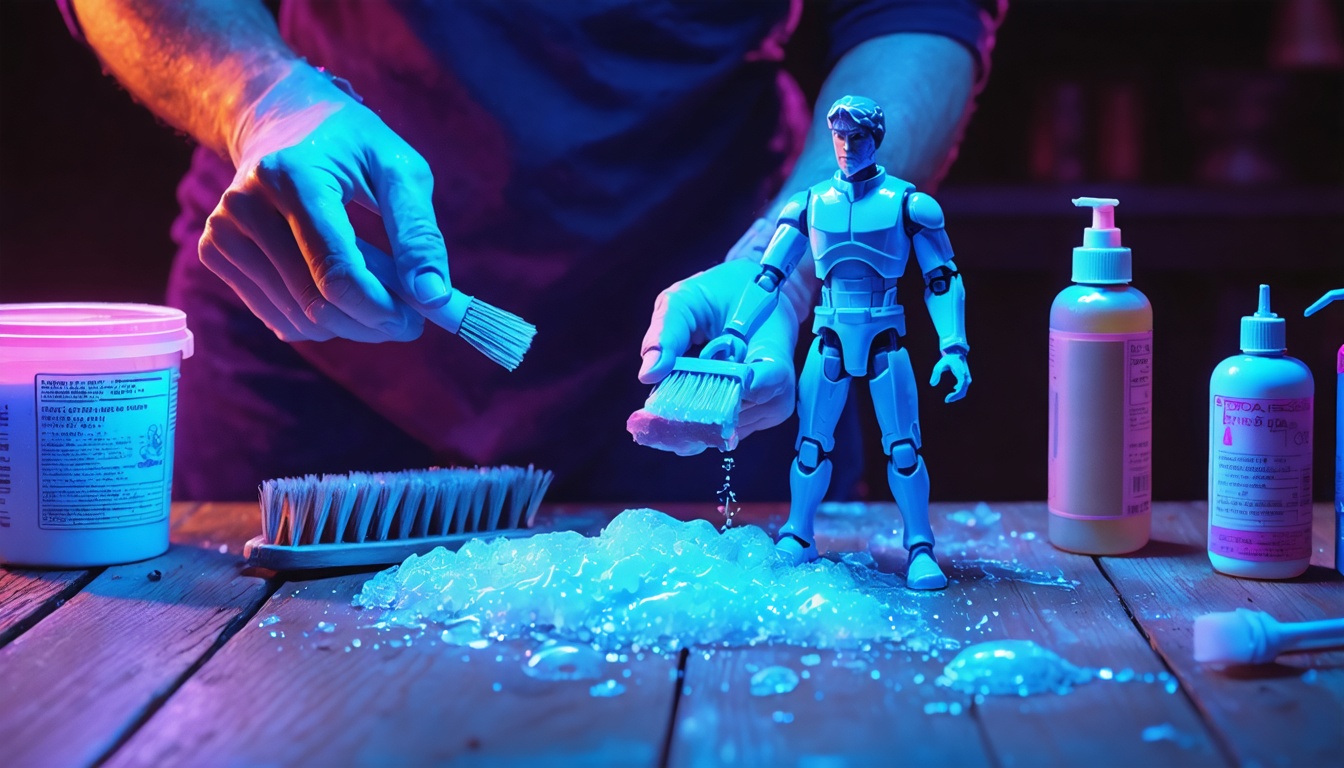
If you're cleaning up old toys before you sell, check out how to clean yellowed, grimy old action figures without wrecking them. And if you're wondering which pieces are worth the effort, read the 80s toys that are worth real money now.
Quick answers
Which selling method gets you the most money?
eBay typically gets the highest prices for rare or mint items because it reaches collectors worldwide, but fees and shipping eat into your profit. For bulk or common toys, the difference between channels is smaller.
How much do eBay fees actually cost?
eBay charges roughly 13 percent total when you combine listing fees and payment processing. On a hundred-dollar sale, expect to pay about thirteen bucks in fees before shipping costs.
Is it safe to meet strangers from Facebook Marketplace?
Meet in a public place during daylight, bring a friend for high-value items, and count cash before handing over the toys. Police station parking lots are ideal because they're monitored and well-lit.
Should you clean old toys before selling them?
Light cleaning helps, but aggressive scrubbing can damage paint or plastic. Wipe off dust and grime gently, and leave heavy restoration to the buyer unless you know what you're doing.