Retro handheld or your phone? How to pick without wasting money
Your phone can already run old games, so a dedicated handheld has to earn its spot in your bag.
This story has affiliate links. If you buy through them, Radazoid may earn a commission at no cost to you. How that works.
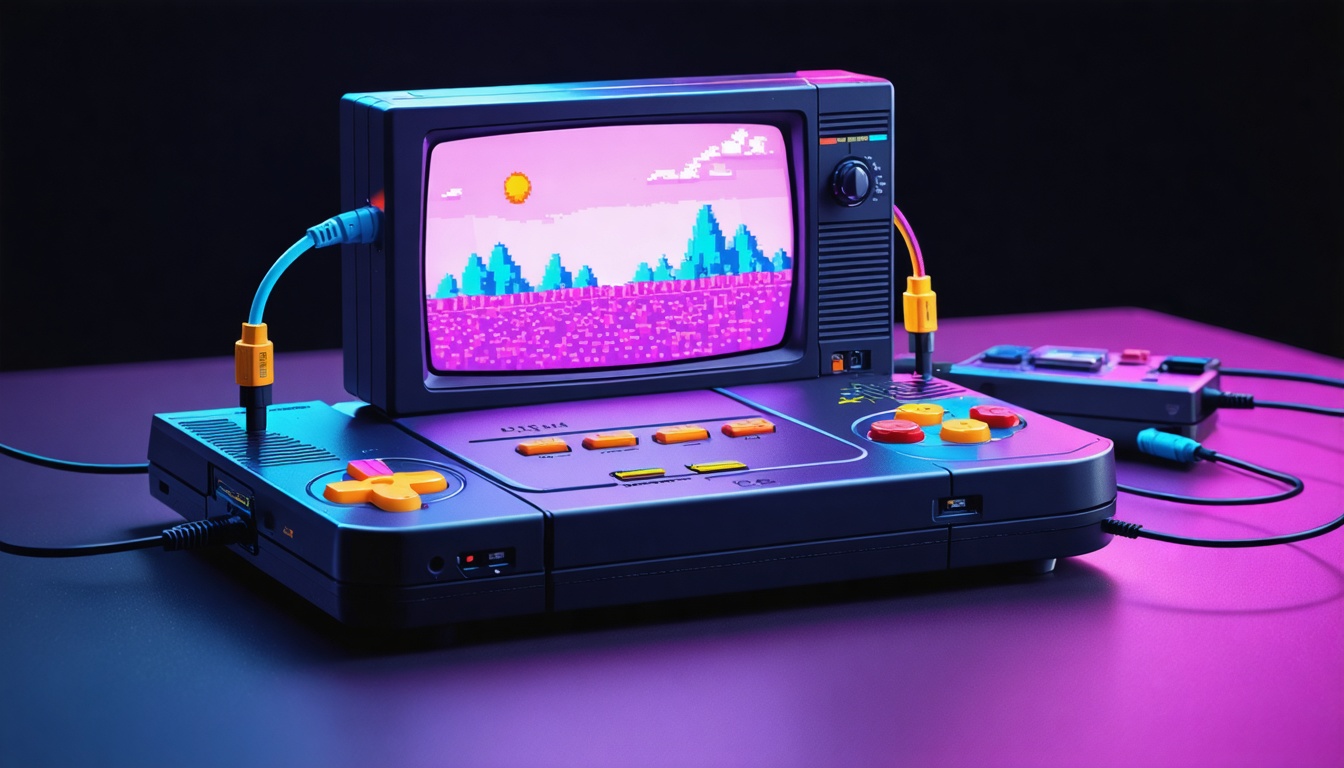
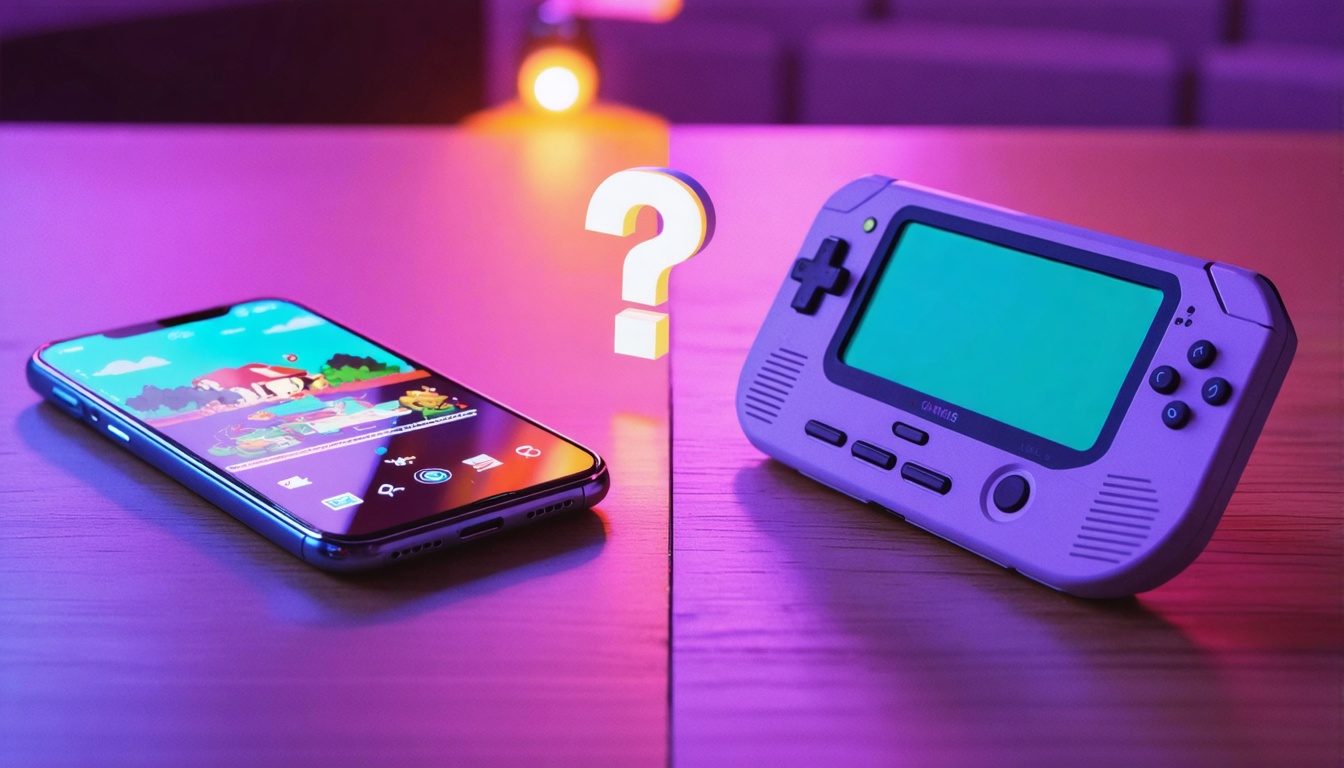
Every few weeks the internet tells you about another little retro handheld. They're cheap-ish, they look like a Game Boy had a baby with a smartphone, and they promise every game you rented at Blockbuster. Before you add one to the cart, ask the obvious question: doesn't the phone in your pocket already do this?
Sort of. Here's how to decide.
The case for your phone
- You already own it. Modern phones have more than enough horsepower for 8-bit and 16-bit games, and plenty for a lot of later stuff.
- Official options exist. Nintendo, Sega and other publishers sell or subscribe their old games on phones and current consoles. That's the cleanest legal route.
- A controller fixes most of the pain. Touchscreen d-pads are miserable. A clip-on or telescopic phone controller turns your phone into something close to a real handheld.
The downsides are real, though. Your phone is also your work email, your group text and your bank. It's hard to escape into Mega Man when a notification slides in every four minutes. Gaming also drains the battery you need for the rest of your day.
The case for a dedicated handheld
- It's a toy, not a tool. That sounds trivial. It isn't. A device that only does games is easier to pick up for 15 minutes and put down.
- Real buttons, built in. A proper d-pad and face buttons make platformers and fighting games feel right.
- Shapes for every taste. Vertical Game Boy styles, wide PSP styles and clamshells like the DS all exist. Pick the one your hands remember.
What to check before buying a handheld
- Screen shape. Older consoles mostly used a squarer 4:3 picture. A wide screen leaves black bars or stretches the image. A 4:3 or square-ish screen suits 8-bit and 16-bit games best.
- What you actually want to play. NES and SNES run on almost anything. Later 3D systems need much more power. Be honest about your list, and don't pay for horsepower you won't use.
- Where the games come from. Some handhelds use official licensed cartridges. Many others are open devices that expect you to load your own files. Copying games you don't own is a legal gray area at best, and many devices sold pre-loaded with thousands of games are knockoffs. Buy from a known brand and source games legitimately.
- Software support. Read recent owner reviews and forums. A great screen doesn't help if the menus are a mess and updates stopped.
- Battery and charging. USB-C charging is the norm now and worth insisting on.
The simple rule
Try it on your phone for a month first. If you find yourself reaching for it on lunch breaks or after the kids are in bed, you've earned a dedicated handheld. If the controller just collects dust, you saved yourself a hundred bucks or more and a drawer full of guilt.