
Still Holds Up: First Blood (1982)
The original Rambo is a devastating tragedy about war and abandonment, not the action hero machine the sequels became.
This story has affiliate links. If you buy through them, Radazoid may earn a commission at no cost to you. How that works.
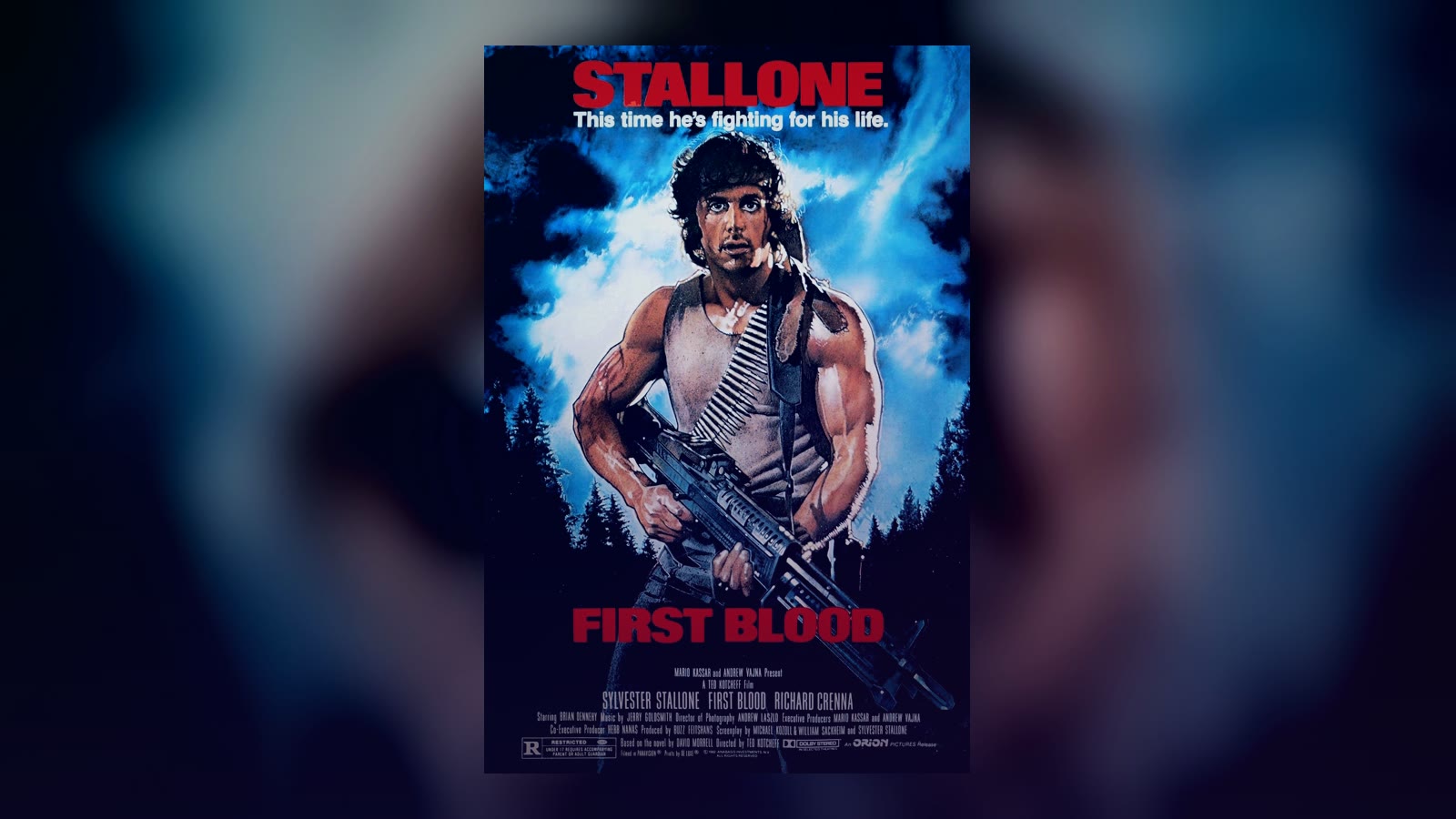
First Blood holds up completely, and not for the reasons the sequels became famous. This is not a one-liner machine or a body-count movie. It's a tragedy about a Vietnam vet pushed past his breaking point by a small-town cop who doesn't know who he's messing with—and it's one of the best films of the 1980s, period.
What It Was
Released in 1982, First Blood starred Sylvester Stallone as John Rambo, a drifter who rolls into a small town looking for a hot meal. Rambo refuses to leave quietly. What starts as a traffic stop spirals into a manhunt through the forest that forces both men to confront what they're really fighting.
Watch it: First Blood 4K Ultra HD Blu-ray on Amazon (Own the original masterpiece in the best quality available; the cinematography and score deserve it)
Director Ted Kotcheff crafted a film about PTSD, abandonment and the cost of war—not a shoot-em-up. The script, based on David Morrell's novel, treats Rambo as a human being, not a superhero. Stallone plays him as wounded, not invincible. The violence, when it comes, means something.
Why It Still Matters
Rambo is a man who did his job, came home broken, and found nobody waiting. He's not bitter about it—he's just alone. When Teasle corners him, Rambo doesn't want a fight; he wants to be left alone. The tragedy is that the world won't let him.
That resonates hard. A lot of guys have been where Rambo is: pushed around by authority that doesn't listen, told to shut up and move along, treated like a problem instead of a person. The film doesn't lecture you about it. It just shows you a man at his limit, and what happens next.
The ending—no spoilers—is devastating and honest in a way modern action movies rarely are. It's not a victory. It's a loss. And that's why it matters.
What Aged Well
Almost everything. The cinematography is gorgeous—the Pacific Northwest looks like a character. The score by Jerry Goldsmith is understated and perfect. Dennehy's performance as the cop is nuanced; he's not a villain, just a man doing his job badly. Stallone is vulnerable in a way that surprises people who only know the sequels.
The film trusts you to understand the stakes without spelling them out. There are long stretches with almost no dialogue. The tension comes from character, not explosions.
What Didn't Age as Well
The film is set in real time over a few days, and some of the pacing drags in the middle act. A few of the supporting characters feel thin. The technology is dated—but that's not a flaw, it's just history.
More importantly, the sequels poisoned the well. When you hear "Rambo," you think muscles and machine guns. First Blood is the opposite of that. It's slow, sad and human. Going in expecting an action movie will disappoint you. Go in expecting a character study and you'll find a masterpiece.
The Sequels Changed Everything
First Blood works because it respects the character and the subject matter. It doesn't preach. It doesn't turn trauma into a spectacle. It just tells the story of a man in pain and lets you sit with that. The sequels took Rambo and turned him into a cartoon—which is fine for those movies, but it buried what made this one matter.
That's the real loss: not that modern Hollywood couldn't make this film, but that the sequels proved audiences would rather watch explosions than character. First Blood said something true about war and coming home. The industry learned the wrong lesson.
How to Watch It Now
First Blood is available on most streaming services and for purchase on disc. Rent or buy it legitimately—it deserves the money. Watch it alone or with someone who gets it. Don't have your phone out. Let it work on you.
If you loved it as a kid, you'll be surprised how much sharper it is now. If you've never seen it, you're in for a real film, not just a franchise origin story.
Quick Answers
Is this the same as Rambo II and III?
No. The sequels are action movies. First Blood is a drama about a broken man. It's tense, not explosive. If you only know the sequels, you've never actually seen this film.
Does Stallone do his own stunts?
Some. The film uses stunt doubles where it needs to, which is honest filmmaking. Stallone's performance is what matters, and it's genuinely moving.
Is it violent?
There is violence, and it's earned. It's not gratuitous. The body count is low and every death means something. It's not a gore movie.
How long is it?
Around 90 minutes. It moves at its own pace. Don't expect a fast edit; expect a film that trusts silence.
Is First Blood worth watching?
A masterpiece of 1980s cinema that transcends its action-movie label—a character-driven tragedy about a wounded Vietnam vet and the cost of war that remains emotionally devastating and relevant. Essential viewing for anyone who appreciates intelligent filmmaking and strong performances.
First Blood parents guide: what is it rated, and what age is it for?
Rated R · Best for 16+. Contains violence including gunfire, explosions, and hand-to-hand combat, though not gratuitous; some blood. Language includes profanity. No sexual content or nudity. Intense psychological themes including PTSD, trauma, and suicide. The ending is emotionally heavy and may be disturbing for younger viewers. The film treats these subjects with respect and gravity, not exploitation.
Is First Blood woke?
Not woke. First Blood respects its subject matter and characters without preaching. It portrays a flawed authority figure (the sheriff) as a real person doing his job badly, not a strawman villain. The film trusts the audience to understand the stakes and meaning without lecturing, and it treats a traumatized veteran with dignity and humanity rather than as a vehicle for messaging.
Was this worth your time?

Sound off
Disagree all you want, swear if you have to (we'll #@$%! it out). No harassment, slurs, threats, spam or links. Comments are screened before they appear, and you'll get a daily heads-up when the conversation picks up. Your email is never shown.