
Still Holds Up: RoboCop (1987)
Verhoeven's satirical masterpiece about corporate control and identity still feels disturbingly relevant.
This story has affiliate links. If you buy through them, Radazoid may earn a commission at no cost to you. How that works.
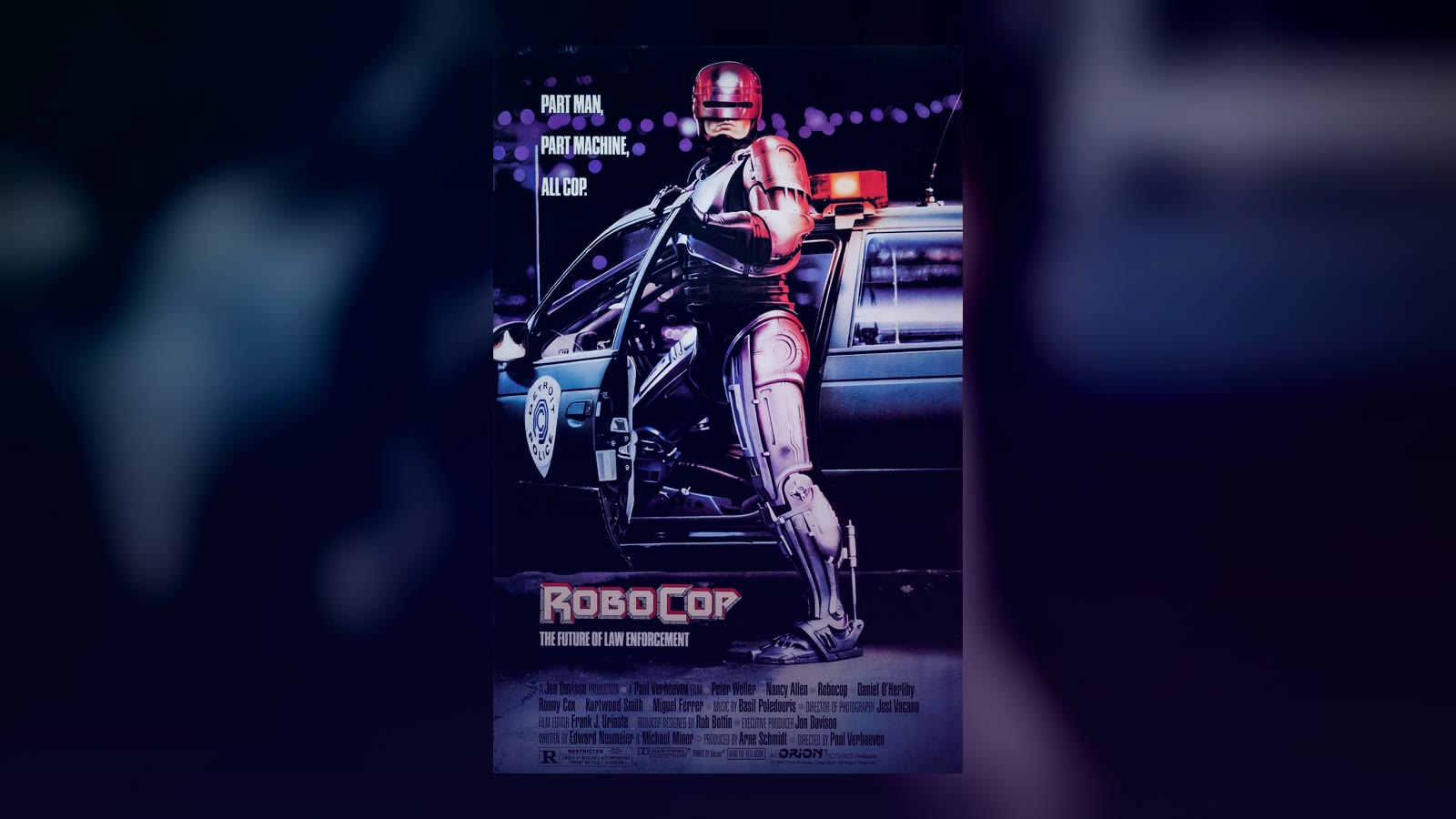
RoboCop holds up better than most action films from the 1980s because it was never just an action film. Director Paul Verhoeven made a satire wrapped inside a revenge story wrapped inside a corporate thriller, and every layer still works. Peter Weller plays Alex Murphy, a Detroit cop murdered by a gang and resurrected as a cyborg by the megacorporation OCP. The film is violent, funny, angry and human—a rare combination that feels even more relevant now than it did when it came out.
What Made It Great Then
RoboCop arrived in 1987 as a low-budget gamble that paid off commercially and became a cultural moment. Verhoeven emphasized the violence so outrageously that it became darkly comic. Censors cut scenes to get a theatrical rating, but what made it through was still shocking. The script, by Edward Neumeier and Michael Miner, nailed something the 80s understood: corporations run everything, and they don't care about you.
Watch it: RoboCop 4K Ultra HD Blu-ray on Amazon (The article praises the 4K restoration and recommends watching the theatrical cut unedited—this is the definitive way to)
The film gave us a hero who wasn't a lone wolf or a superhero. Murphy is a family man with a wife and son. When OCP kills him and rebuilds him as a weapon, the movie asks a real question: if they wipe your memory and replace your body, are you still you? That's not a throwaway premise. It haunts every scene.
Why It Hits Different Now
RoboCop is a film about a man trying to hold onto his humanity while a corporation uses him as a tool. Murphy fights to remember his family, his name, his identity. He has a wife and son he can't reach. He's programmed to obey, but he rebels. That's the story of a man choosing his own identity against everything designed to erase it.
The satire about corporate control, government corruption and the erosion of public institutions has only grown sharper. The film predicted a future where private companies run police departments. We're not there yet, but we're closer. OCP's cold efficiency and profit-first mentality feel less like exaggeration now and more like a documentary about how things actually work.
And the violence—the outlandish, grotesque violence—is a joke. Verhoeven knew it. The film's brutality is so extreme it becomes absurd, which is the point. It's a rebuke of the action-movie violence audiences were trained to cheer for. When RoboCop interrogates a criminal by holding him over a window, we're not supposed to root for it. We're supposed to see the absurdity of a machine programmed to protect the law while breaking it.
What Aged Badly
The special effects hold up remarkably well—Rob Bottin's practical work on the RoboCop suit and the gore looks real because it is—but some of the 1980s production design reads dated. The computer graphics, the news broadcasts, the fashion: they're unmistakably of their time. That's not a flaw; it's period charm. The film knows what it is.
The bigger issue is what came after, which proved that RoboCop works because of Verhoeven's specific vision. Without his satirical eye and willingness to make violence ugly and absurd, the concept becomes just another sci-fi action flick. The original stands alone.
The Kind of Hero It Gave Us
Murphy is a working cop, a husband, a father. He's not special. He's not a soldier or a spy or a billionaire. He's a guy doing his job, and he gets killed for it. OCP doesn't resurrect him because he's a hero; they resurrect him because he's a corpse they can use. His heroism comes from refusing to be used—from fighting to be Murphy again.
How to Watch It Now
RoboCop is available on most major streaming platforms and for purchase on disc. A 4K restoration exists and looks excellent. Watch the theatrical cut, not the edited-for-TV version. The violence and language are part of the film's point. If you have kids old enough to handle R-rated action, it's a conversation starter about corporations, identity and what makes us human.
The Verdict
RoboCop is one of the best science fiction films ever made, and it's still sharp, funny and angry. It's a film about a man fighting to stay human in a system designed to erase him. The satire about corporate power and institutional corruption has only grown more pointed. Watch it. It's worth your time.
Is RoboCop worth watching?
A masterpiece of 1980s sci-fi action that works as satire, thriller, and revenge story all at once. Essential viewing for anyone who appreciates smart filmmaking, dark humor, and practical effects that still look great.
RoboCop parents guide: what is it rated, and what age is it for?
Rated R · Best for 16+. Intense violence including graphic gore, shootings, and brutal deaths; strong language throughout; no sexual content; themes of corporate corruption and loss of identity. The violence is stylized and darkly comic rather than gratuitous, but it's frequent and explicit. Some scenes are genuinely disturbing. Not for younger teens.
Is RoboCop woke?
Not woke. RoboCop is a film about a man fighting to preserve his identity and humanity against dehumanizing forces. Murphy is a working-class family man whose heroism comes from character and choice, not identity politics. The satire targets corporate greed and institutional corruption without lecturing, and the story respects traditional values like family and duty.
Quick answers
Is RoboCop really a satire?
Yes. Verhoeven emphasized the violence so outrageously that it becomes darkly comic. The film mocks corporate greed, government corruption and the idea that private companies should run public institutions. The satire is the point.
Does it hold up better than what came after?
Absolutely. The sequels and the 2014 remake lack Verhoeven's satirical vision. Without that edge, RoboCop becomes just another action film. The original is the only one that works.
Is the violence too extreme?
It was extreme for its time—censors cut scenes to get a theatrical rating. By today's standards, it's not graphic compared to modern action films, but it's still brutal and intentionally absurd. That's the point: Verhoeven wanted violence to look ugly and ridiculous, not heroic.
Was this worth your time?

Sound off
Disagree all you want, swear if you have to (we'll #@$%! it out). No harassment, slurs, threats, spam or links. Comments are screened before they appear, and you'll get a daily heads-up when the conversation picks up. Your email is never shown.