
The Ozark Howler: Arkansas' unearthly predator
What is the bone-chilling scream that's haunted the Ozarks for decades?
This story has affiliate links. If you buy through them, Radazoid may earn a commission at no cost to you. How that works.
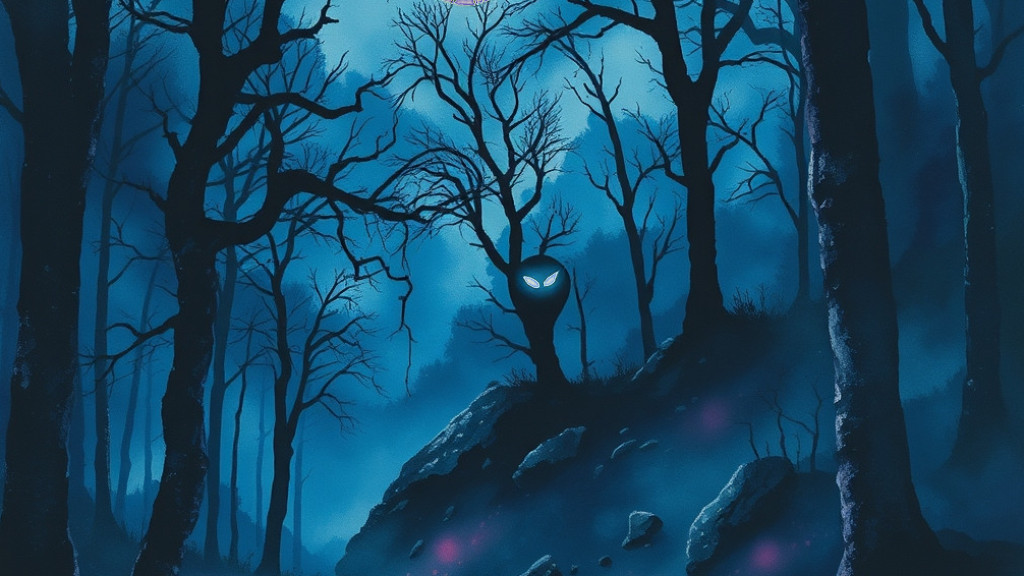
The Ozark Howler is a cryptid said to roam the Ozark Mountains of Arkansas and the surrounding region, described as a large predatory creature with an unearthly, bone-chilling scream that witnesses claim sounds nothing like any known animal. Sightings and reports of the creature's call have been documented across the South for decades, and the legend has inspired horror films and creature features that tap into the same primal fear that keeps people awake in the backwoods.
What witnesses have reported
The Ozark Howler, according to sighting accounts, is typically described as a large, bear-like creature with a dark, shaggy coat. What sets it apart from any known animal is the sound: witnesses who claim to have heard it describe a scream or howl that is unlike anything they've encountered in nature—a sound that reports characterize as deeply unsettling, sometimes described as a cross between a wildcat's cry and something almost human.
Get it: In Search Of... Complete Series Blu-ray on Amazon (The article mentions this paranormal classic as a cultural touchstone; perfect for fans of cryptid lore and unexplained )
Sightings and reports of the creature's calls have been reported in Arkansas, Missouri, Oklahoma and neighboring areas of the Ozark region. Local communities and outdoor enthusiasts have passed down accounts of encounters, particularly in rural and forested areas, where the creature is said to hunt at night.
The folklore roots
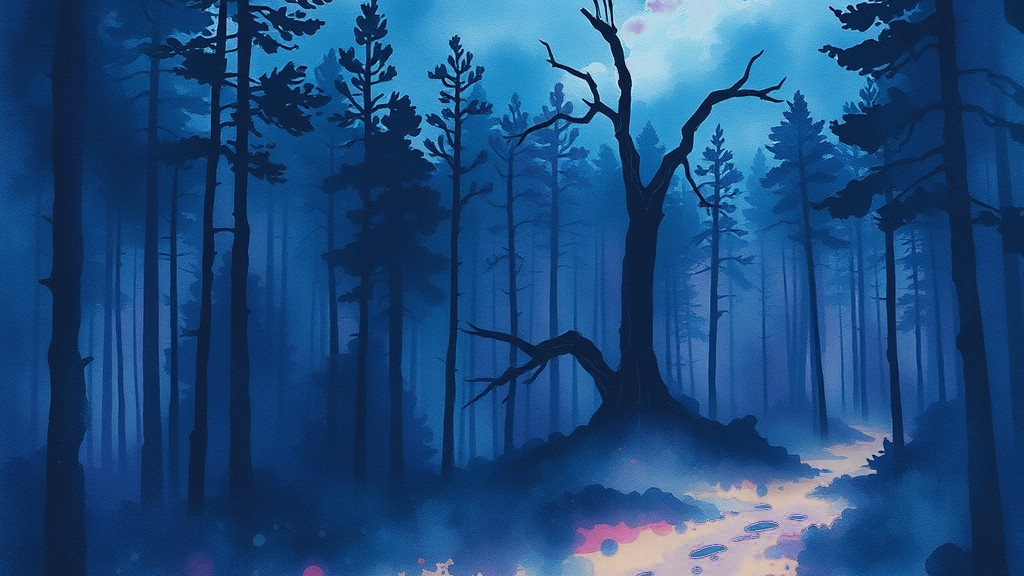
The Ozark Howler sits within a broader tradition of Appalachian and Southern cryptid folklore—a landscape already populated by creatures like the Mothman, the Wampus Beast, and various panthers and wildcat legends. The Ozarks, with their dense forests, remote hollers and isolation, have long been fertile ground for tales of unknown creatures. Whether the legend grew from misidentified wildlife, exaggerated encounters with real animals, or pure folklore tradition is part of what keeps it alive.
The creature fits a pattern common to regional cryptids: a predator large enough and strange enough to explain livestock losses or eerie nighttime sounds, yet elusive enough to never be conclusively documented. In communities where nature is immediate and darkness still holds mystery, such legends serve as both warning and explanation.
What is actually documented
No physical evidence—bones, fur, clear photographs or carcass—of the Ozark Howler has ever been produced. What exists are eyewitness accounts, local newspaper reports of strange sounds and animal attacks, and the oral tradition passed through generations of Ozark residents. The creature has become part of regional folklore, discussed in cryptid communities, paranormal podcasts, and online forums dedicated to unexplained phenomena.
The legend has also been featured in horror and creature features, drawing on the same atmospheric dread that appeals to anyone who grew up wondering what might be out there in the dark.
What skeptics say
Scientists and wildlife experts point to several ordinary explanations for Ozark Howler sightings and reports. Misidentified mountain lions, panthers or large feral dogs could account for both the creature sightings and unusual sounds. Cougars and panthers do inhabit or pass through the region, and their vocalizations—particularly during mating season—are unfamiliar to many people and could easily be described as unearthly or terrifying by those who encounter them unexpectedly.
Acoustic misidentification is also a factor: sounds that carry through forested terrain at night, distorted by distance and echoes, can seem far stranger than their source. A known animal's cry, filtered through darkness, fear and the power of suggestion, becomes something else entirely in the retelling.
Why it endures
The Ozark Howler persists because it exists at the intersection of real geography, real uncertainty and the human need for mystery. The Ozarks are real. Strange sounds do occur in remote forests. And in an age of GPS, trail cameras and constant connectivity, there remains something compelling about a creature that has never been caught, photographed or definitively explained.
For guys who grew up on campfire stories and wondering what might be out there in the dark, the Ozark Howler represents the kind of unexplained phenomenon that keeps the sense of wonder alive—proof that not everything has been catalogued, explained or debunked.
Quick answers
Has anyone ever captured the Ozark Howler on film or photo?
No clear, verified photograph or film footage of the creature exists. Like most cryptids, it remains documented only through eyewitness accounts and local reports.
Could the Ozark Howler be a real animal?
It's possible the legend is rooted in sightings of mountain lions, panthers or large feral dogs whose vocalizations and appearance seemed unusual to witnesses, particularly in darkness or at distance.
Where is the best place to learn about the Ozark Howler?
Cryptid and paranormal communities online, Ozark regional folklore archives, and cryptozoology forums maintain collections of sighting reports and historical accounts from the region.
Has the Ozark Howler appeared in movies or TV?
The legend has inspired creature features and paranormal documentaries that draw on the same atmospheric dread, though no major film is solely dedicated to it.
Was this worth your time?



Sound off
Disagree all you want, swear if you have to (we'll #@$%! it out). No harassment, slurs, threats, spam or links. Comments are screened before they appear, and you'll get a daily heads-up when the conversation picks up. Your email is never shown.