
Classic car insurance: how it works and why it's cheaper
Why classic car insurance costs way less—and what restrictions come with it
This story has affiliate links. If you buy through them, Radazoid may earn a commission at no cost to you. How that works.
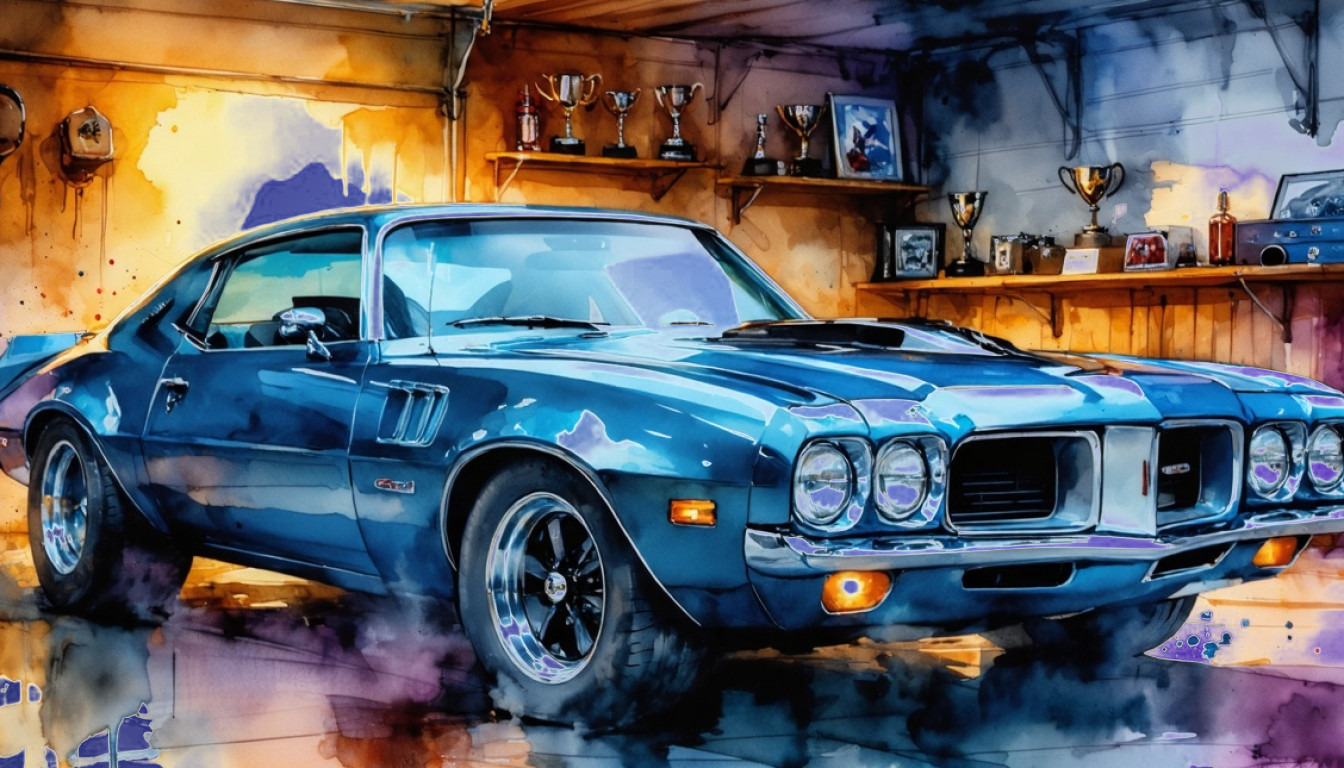
Classic car insurance works differently than everyday auto coverage because the car isn't your daily driver. Insurers know you're storing it carefully, driving it on weekends and shows, not commuting. That lower risk means premiums that are a fraction of what you'd pay for a modern car—but the trade-off is restrictions on how and when you use the vehicle.
Agreed value versus stated value: which one protects you
The biggest difference from standard insurance is how the car gets valued if something goes wrong.
Get it: Classic Car Appraisal & Documentation Kit on Amazon (Story emphasizes agreed value requires photos and professional appraisal—this helps readers document their car's conditi)
Agreed value means you and the insurer decide upfront what the car is worth. You document the condition with photos, a professional appraisal or inspection, and that's the number you're both locked into. If the car is totaled, you get that amount—no haggling, no depreciation argument. This is the better deal for collectors because you know exactly what you're covered for.
Stated value is looser. You tell the insurer what you think the car is worth, they accept it, but if there's a total loss they can still adjust the payout based on what they think it's actually worth at the time of loss. You have some protection, but less certainty.
Most classic car owners go with agreed value because it removes the guesswork when you need it most.
Mileage limits: the catch that keeps premiums low
This is where classic car insurance gets real. Most policies cap your annual mileage. The idea is that low mileage means less exposure to accidents and wear.
If you exceed your limit, you can face denial of a claim or a premium adjustment. Be honest about how much you actually drive the car. If you're taking it to car shows, weekend cruises and the occasional long drive, you're probably fine. If you're thinking about using it as a second daily, this insurance won't work for you.
Storage and maintenance requirements
Insurers want to know the car is protected. Most classic policies require:
- Storage in a garage or covered shelter, not on the street
- Regular maintenance and inspections to keep it roadworthy
- A working security system or anti-theft device
- Sometimes proof that you have another vehicle for daily use
These aren't just paperwork—they're real conditions. If your car sits in a driveway uncovered or you let it rot in a barn without maintenance, you could have a claim denied. The insurer is betting you care enough about the car to keep it in shape, and they want evidence of that.
Who offers classic car insurance
Several carriers specialize in collector cars. Hagerty and Grundy focus on classic vehicles and offer agreed value coverage. State Farm, Allstate and other major insurers offer classic car policies too, though they may not have the same flexibility or collector-friendly features.
Shop around. Rates vary, and some insurers are better for specific car types (muscle cars, European imports, resto-mods). Ask about discounts for safety features, storage upgrades or if you're part of a car club.
Why it costs less than standard coverage
Classic car insurance premiums are lower because you're not driving it in rush-hour traffic, you're not using it for work, and it's not parked on a city street where it can get hit. The risk profile is completely different. Lower risk equals lower premiums.
You're also usually insuring the car for its agreed value, which reflects the collector market rather than replacement cost. Check current market listings on sites like Hemmings or eBay to see what comparable cars are selling for in your region.
Before you buy a policy, ask these questions
- Does it cover trips to car shows, cruises and meets?
- What's the annual mileage limit, and can it be adjusted?
- Is roadside assistance included, or do you need to add it?
- Does the policy cover restoration work or modifications?
- What documentation do they need for the agreed value appraisal?
Classic car insurance makes sense if you own the car as a hobby, not a commuter. You get real protection at a fair price, but you have to follow the rules about storage, mileage and maintenance. Read the policy carefully, get the agreed value right from the start, and you'll have peace of mind when you're out enjoying that piece of automotive history.
Quick answers
Can I drive my classic car to work?
Not regularly. Most policies cap annual mileage and expect the car to be a weekend or show vehicle. Driving it to work every day violates the policy and could void your coverage.
What if I exceed my mileage limit?
Depending on the policy, you could face a claim denial, premium adjustment, or loss of coverage. Be honest about your driving habits when you buy the policy, and if your plans change, contact your insurer to adjust the limit.
Do I need an appraisal for agreed value coverage?
Most insurers require documentation of the car's condition and value—either a professional appraisal, inspection photos, or detailed records. This protects both you and them by locking in a fair value upfront.
Is classic car insurance cheaper for all old cars?
Generally yes, but rates depend on the specific car, its value, your driving record and where you live. A rare, valuable classic will cost more to insure than a common one, even with the mileage and storage discounts.
🛒 Remember the Konami code? Get 291 more → Radazoid Shop
🖨️ Printable Bible verse wall art at Printable Barn →
Was this worth your time?







Sound off
Disagree all you want, swear if you have to (we'll #@$%! it out). No harassment, slurs, threats, spam or links. Comments are screened before they appear, and you'll get a daily heads-up when the conversation picks up. Your email is never shown.