
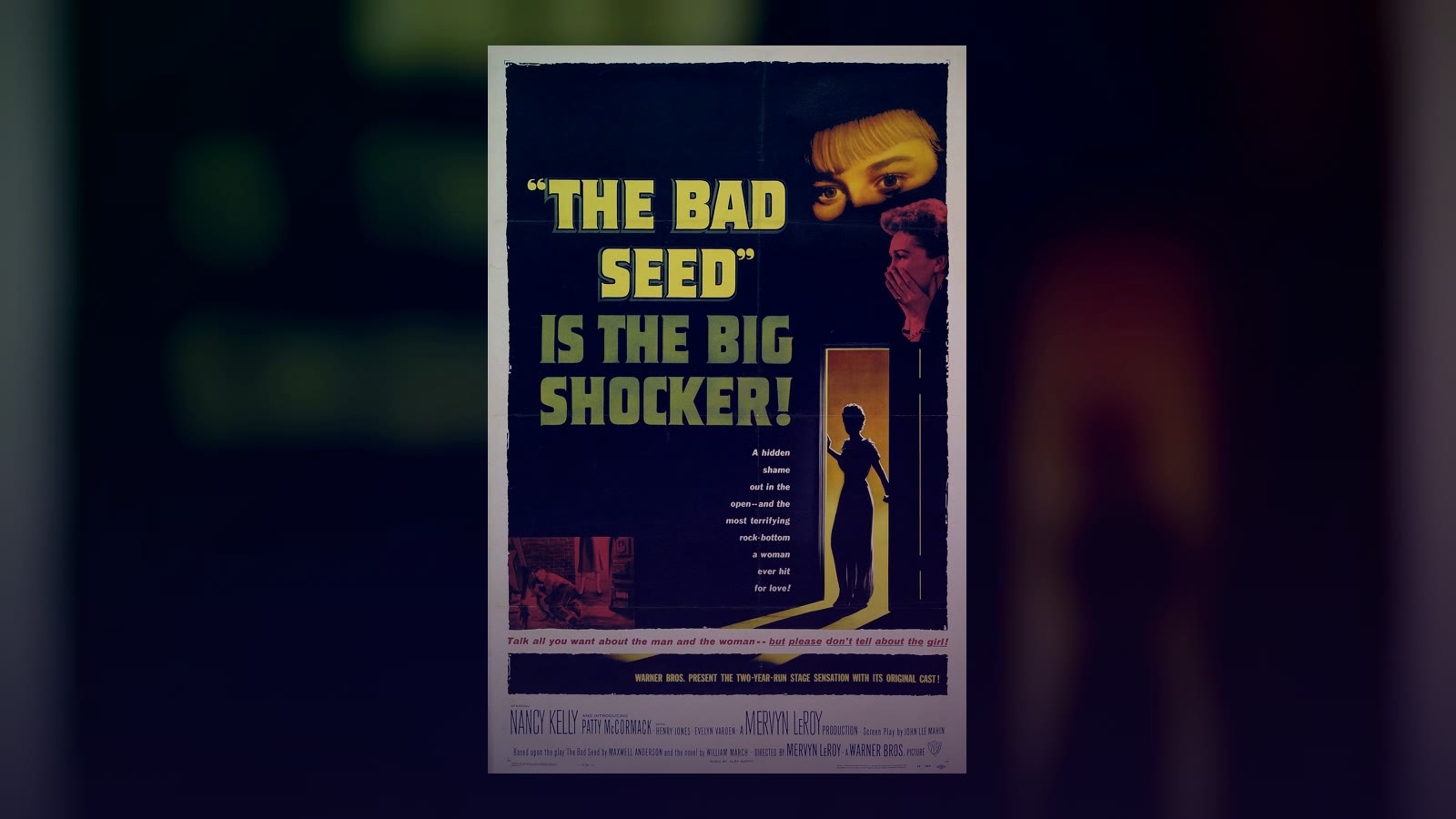
The Bad Seed (1956): the psychological thriller that defined creepy kids
The film that invented the creepy kid template—and proved it still works.
This story has affiliate links. If you buy through them, Radazoid may earn a commission at no cost to you. How that works.
The Bad Seed (1956) is absolutely worth watching if you can find it. It's a tight psychological thriller that treats a disturbing premise with intelligence and restraint, building tension through character and implication rather than jump scares or gore. The film proved that a child antagonist could be genuinely threatening without supernatural powers, which is why every unsettling kid character you saw in horror films afterward owes a debt to it.
What makes it different from modern horror?
The pacing is deliberate but never slow. The performances are understated in a way that makes the creepiness more effective. There's no filler, the dialogue is sharp, and the tension builds steadily. The black-and-white cinematography and controlled set design give it a claustrophobic quality that modern CGI and jump-scare tactics don't match. It's the kind of smart, character-driven thriller that relies on what you don't see.
Watch it: The Bad Seed (1956) Blu-ray on Amazon (Own the classic psychological thriller that defined the evil-child trope in cinema history)
Why does it still matter?
If you grew up on The Twilight Zone, Night Gallery, or early Stephen King adaptations, you'll recognize the DNA here. This film codified the evil-child trope for cinema. Every unsettling kid character that came after—from The Omen to The Ring to modern horror—follows the template Rhoda set: the charming facade that masks something fundamentally wrong. The film proved you don't need gore or supernatural powers to make an audience deeply uncomfortable.
What's the catch?
The ending feels tacked on by modern standards—a concession to 1950s sensibilities that undercuts the ambiguity the rest of the film earned. It doesn't sink the whole thing, but it's worth knowing going in. The film also moves at a pace that assumes you're patient with character work and dialogue instead of constant action, which isn't for everyone.
Is it too dark or disturbing?
It's unsettling by design, but there's no graphic violence or gore. It's the implication and psychology that get under your skin—which is exactly the point. If you can handle the premise of a child who may be a sociopath, you can handle the film.
Parents' guide
Rated Not Rated (1956); would likely be PG-13 or PG by modern standards · Best for 13+. The film contains psychological tension and the disturbing premise of a child who may be a sociopath, but no graphic violence, gore, or sexual content. There is a death scene played for dramatic effect rather than shock value. The black-and-white cinematography and deliberate pacing mean it relies on implication and character rather than explicit content. The ending includes a supernatural element that may feel jarring by modern standards.
Woke or not?
Not woke. The film is a character-driven psychological thriller from 1956 that focuses on the story and performances rather than pushing any agenda. It treats its disturbing premise with intelligence and restraint, letting the narrative and tension speak for itself.
Quick answers
Is it in black and white?
Yes. If that's a dealbreaker, skip it—but you'd be missing out. The black-and-white cinematography adds to the psychological tension.
Will I recognize any actors?
The cast is solid character actors from that era, but not household names today. That actually works in the film's favor—no star power to distract from the story.
🛒 Born in 1956? Get the “Back in 1956” birthday poster → Radazoid Shop
🖨️ Printable party games & trivia at Printable Barn →
Was this worth your time?



Sound off
Disagree all you want, swear if you have to (we'll #@$%! it out). No harassment, slurs, threats, spam or links. Comments are screened before they appear, and you'll get a daily heads-up when the conversation picks up. Your email is never shown.