
The Devils: the transgressive horror film that still provokes
A cult classic from the era of practical effects and transgressive cinema gets renewed attention—here's what you need to know about it.
This story has affiliate links. If you buy through them, Radazoid may earn a commission at no cost to you. How that works.
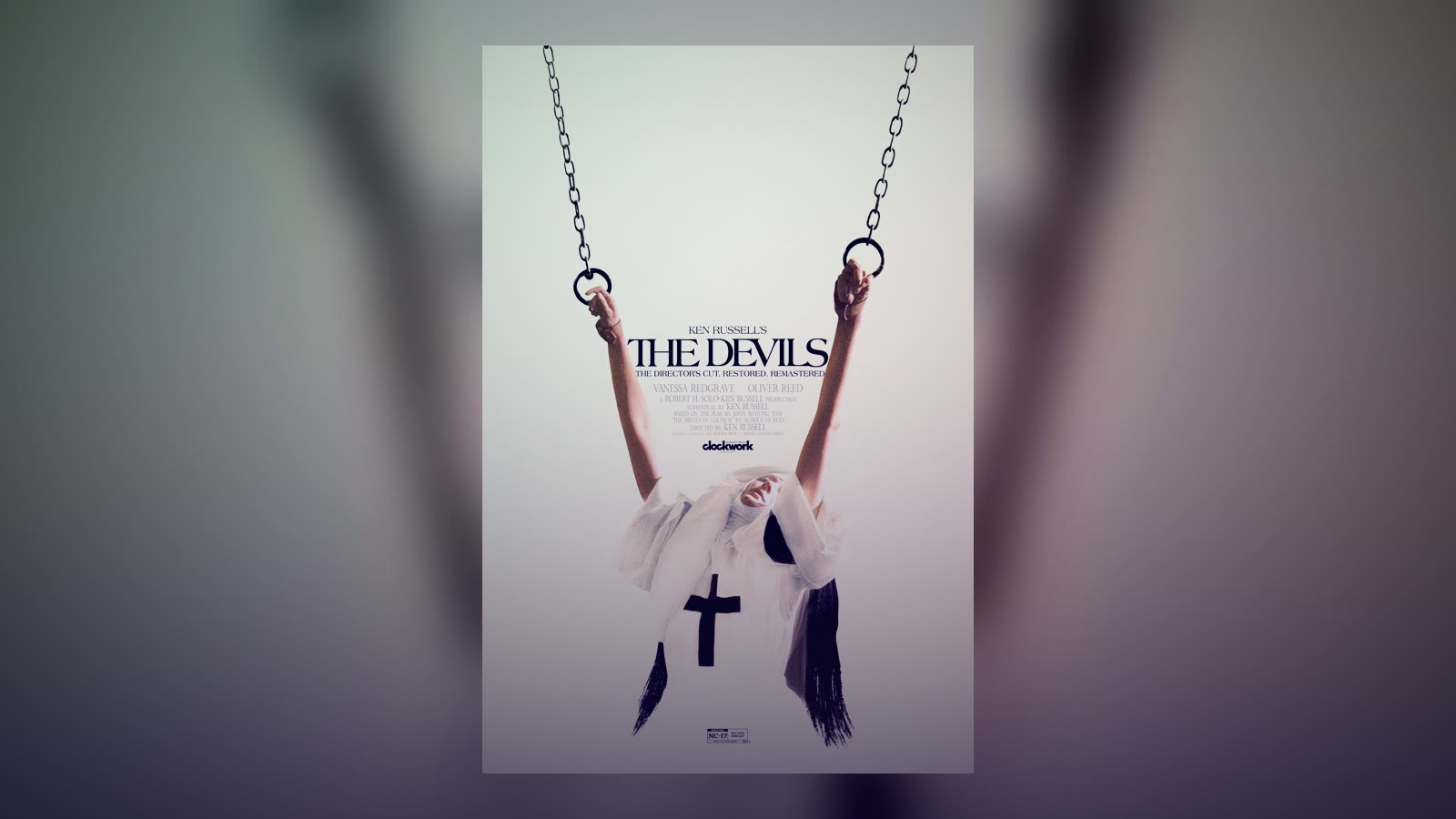
The Devils is a 1971 horror film directed by Ken Russell that explores possession, faith and institutional power through the lens of a real historical event. The story follows a Catholic priest and a nun in 17th-century France whose relationship becomes entangled with mass hysteria, demonic possession and the church's response to a crisis that threatens to expose its authority as fragile.
What's the story based on?
The film draws from the true case of the Loudun possessions, a real event in 1630s France where nuns at a convent claimed to be possessed by demons. The actual incident involved a priest named Urbain Grandier, accusations of witchcraft, and the church's brutal attempt to control and suppress what it couldn't explain. Russell uses this historical framework to build a psychological and supernatural nightmare that questions whether possession is demonic, psychological or institutional.
Watch it: The Devils (1971) Blu-ray on Amazon (The restored version brings Russell's uncompromising vision to life with the best available picture quality for this tra)
Why does it still matter?
The Devils stands as one of cinema's most uncompromising horror films because it refuses to simplify its themes. It's not a jump-scare movie or a straightforward supernatural tale. Instead, it uses body horror, religious imagery and raw practical effects to explore how institutions—especially the church—weaponize fear and control belief. The film trusts viewers to grapple with ambiguity and moral complexity rather than spoon-feeding answers.
For fans of horror from the practical effects era, The Devils represents a filmmaker willing to go further than mainstream cinema would allow. The special effects and makeup work are visceral and unflinching, created when everything had to be done in-camera with no digital shortcuts. That commitment to craft shows in every frame.
Why is it controversial?
The film's depiction of religious institutions, sexual hysteria and body horror provoked outrage from religious groups and censors when it was released. It was banned or heavily cut in multiple countries. The Vatican condemned it. Some versions were edited or suppressed for decades. Even today, audiences react strongly to its portrayal of faith, authority and the human body—which is exactly the point Russell was making about how institutions try to control both.
Where can you watch it?
The Devils is available on Blu-ray and streaming through various platforms. A restored version has circulated in recent years, bringing the film closer to Russell's original vision after years of cuts and censorship. Check your usual streaming services or disc retailers for current availability.
Is it for everyone?
No. The Devils is graphic, disturbing and deliberately provocative. It's not entertainment in the conventional sense—it's cinema designed to unsettle and challenge. If you respect horror that treats the audience like adults and filmmakers who commit fully to their vision, it's worth your time. If you prefer straightforward scares or lighter fare, this isn't your movie. Know what you're getting into, and go in ready for something that doesn't compromise.
Quick answers
Is The Devils a true story?
It's based on a real historical event—the Loudun possessions of 1630s France—but Russell adapted it as a fictional horror film that explores themes of faith, power and institutional control rather than a documentary account.
How graphic is it?
Very. The film uses practical effects and body horror that are unflinching and intentionally disturbing. It's not gratuitous—the imagery serves the story—but it's not for squeamish viewers.
Why was it banned?
Religious groups and censors objected to its depiction of the church, sexual imagery tied to possession, and its refusal to offer easy answers about faith and institutional authority.
Is there a restored version?
Yes. A restored cut has been released in recent years that brings the film closer to Russell's original vision after decades of censorship and editing in various territories.
🛒 Turning 50? There’s a birthday poster for that → Radazoid Shop
🖨️ Halloween party games, bingo & activity packs at Printable Barn →
Was this worth your time?





Sound off
Disagree all you want, swear if you have to (we'll #@$%! it out). No harassment, slurs, threats, spam or links. Comments are screened before they appear, and you'll get a daily heads-up when the conversation picks up. Your email is never shown.