
The wildest concept cars of the 80s and 90s, and what became of them
Some predicted the future; others were too wild to ever build.
This story has affiliate links. If you buy through them, Radazoid may earn a commission at no cost to you. How that works.
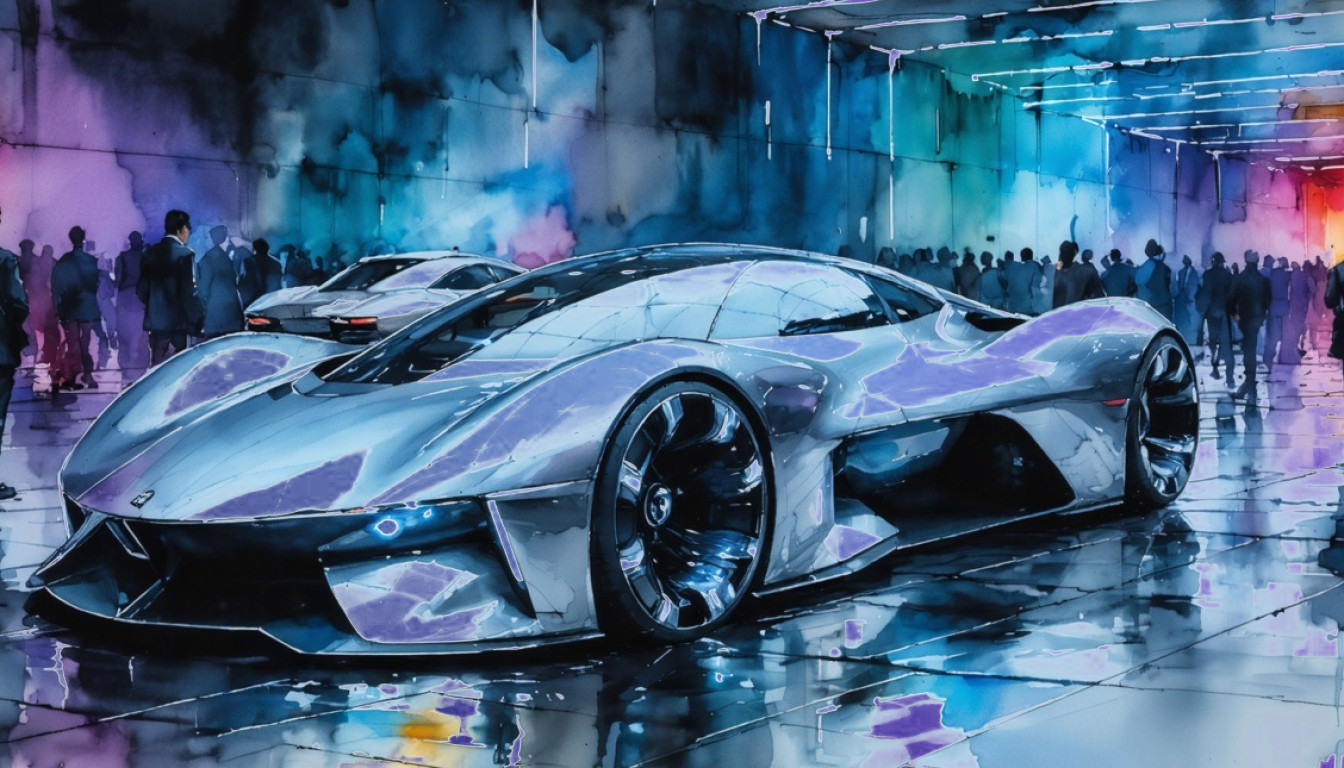
The 1980s and 90s were a golden age for concept cars: designers had freedom, the economy was running hot, and nobody was afraid to swing for the fences. Some of these machines previewed technology and design language that showed up in showrooms a decade later. Others were pure fantasy—beautiful, impractical, and exactly why we loved auto shows.
The Pontiac Fiero 2M16 (1985)
Pontiac's mid-engine sports car was already turning heads on the road, and the 2M16 concept took the concept further. The mid-engine layout, wedge shape and aggressive stance showed where two-seat performance cars could go. The mid-engine configuration proved that American makers could build a legitimate sports car from the ground up. The concept's DNA lived on in how Pontiac marketed the Fiero as a real driver's car, not a toy.
Get it: Dodge Viper Die-Cast Model Car 1:18 on Amazon (Own a replica of the legendary concept that actually made it to production—the raw, unfiltered American supercar from th)
The Dodge Viper RT/10 (1989)
This one actually made it to production—barely. Dodge showed the Viper as a wild, open-air, V10-powered roadster with no power steering, no power brakes, and a "no excuses" attitude. Reviewers and enthusiasts called it a genuine supercar wrapped in American muscle-car attitude. The production Viper arrived in the early 1990s and stayed true to the concept's raw, unfiltered vision. It proved that even in the late 80s, a major automaker would build something impractical and honest.
The Nissan Z32 Proto (1989)
Nissan's Z-car had been dormant for years, and this sleek, low prototype signaled the Z's return. The long hood, compact cabin, and aggressive proportions previewed the Z32 that arrived for the 1990 model year. The concept showed Nissan's commitment to bringing back a legend without softening it. The production car delivered on the promise: a rear-wheel-drive sports car with genuine performance that could hang with anything from Japan or Europe.
The Jaguar XJ220 (1988)
Jaguar's mid-engine supercar concept shocked the auto world. The wedge shape, the twin-turbocharged V12 engine, and the promise of extreme performance made it the most talked-about concept of its year. Unlike most show cars, Jaguar actually built the XJ220 for customers—though it became a hypercar that few could afford or even drive in real conditions. The concept proved that British engineers could still dream as big as anyone.
The Chevrolet Impala SS Concept (1994)
General Motors showed this full-size, rear-wheel-drive muscle car concept just as the Impala SS was about to return to production. The concept's classic proportions, big V8 stance, and no-apologies attitude matched what Chevy was building. The production Impala SS that followed became a surprise hit with guys who wanted a big, comfortable, powerful sedan without European pretense. The concept and the car aligned perfectly.
The Buick Wildcat EV (1985)
Buick's electric roadster concept was way ahead of its time—a two-seat, open-air EV that showed the brand thinking about the future. The wedge profile and gull-wing doors turned heads at auto shows, but the technology wasn't ready and neither was the market. The Wildcat proved that even in the 80s, some designers were already chasing electrification, even if the rest of the industry wasn't paying attention yet.
What Made These Concepts Matter
The best concept cars of this era did one of three things: they previewed production cars that were already in the pipeline; they showed what technology could do if you threw budget at it; or they told you what the designer's heart wanted to build. Some were gorgeous and impractical. Others were purposeful and prophetic. The ones that mattered most were the ones that actually shipped—the Viper, the Z32, and the Impala SS—because they proved that the dream wasn't just for the auto show floor.
If you're hunting for concept car photography or details, check eBay sold listings and collector forums for old auto show catalogs and period magazines. That's where the real stories live.
Quick answers
Did most 80s and 90s concept cars actually get built?
No. Most stayed as one-off show cars. The Viper, Z32, and Impala SS were rare exceptions that actually reached production, which is why they're remembered as more than just pretty pictures.
Which concept cars influenced production designs the most?
The Z32 Proto and Impala SS Concept directly previewed their production cars. The Viper concept became the Viper production car. Others, like the Fiero 2M16 and XJ220, influenced styling and engineering philosophy even if they didn't ship exactly as shown.
Can you still see these concept cars today?
Some live in corporate museums or private collections. The most famous ones show up at major auto shows and auctions. Check the Smithsonian, the Petersen Museum in Los Angeles, or auction houses like Gooding & Company for current locations and event appearances.
Why were concept cars wilder in the 80s and 90s?
Fewer regulations, more experimental budgets, and designers who weren't afraid to show ideas that wouldn't sell. Today, concept cars are often thinly veiled previews of production models coming in two years.
🛒 Throwing an 80s party? Grab the printable trivia & bingo pack → Radazoid Shop
🖨️ Halloween printables at Printable Barn →
Was this worth your time?

Sound off
Disagree all you want, swear if you have to (we'll #@$%! it out). No harassment, slurs, threats, spam or links. Comments are screened before they appear, and you'll get a daily heads-up when the conversation picks up. Your email is never shown.