
Appalachian legends: the Wampus Cat, Tailypo and the Brown Mountain Lights
Three Appalachian legends explained: where they came from and why they've haunted us for generations.
This story has affiliate links. If you buy through them, Radazoid may earn a commission at no cost to you. How that works.
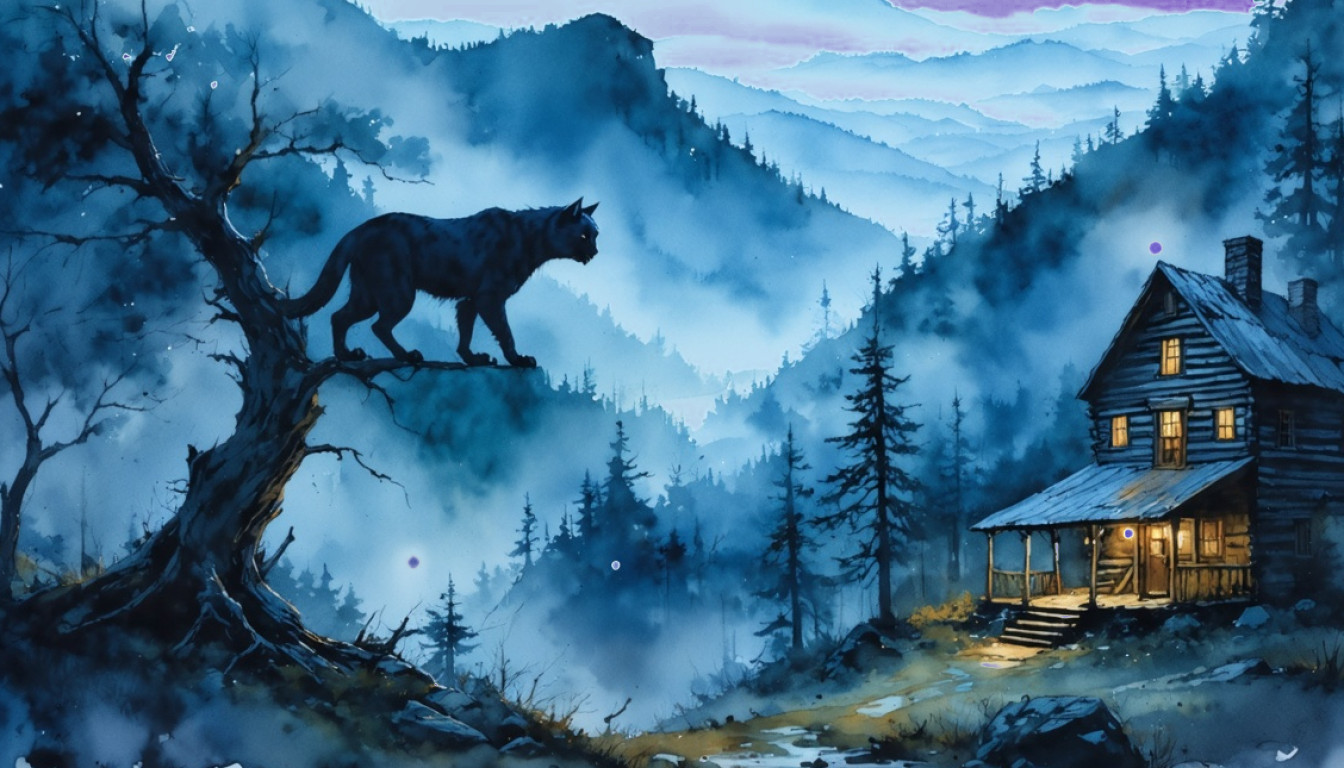
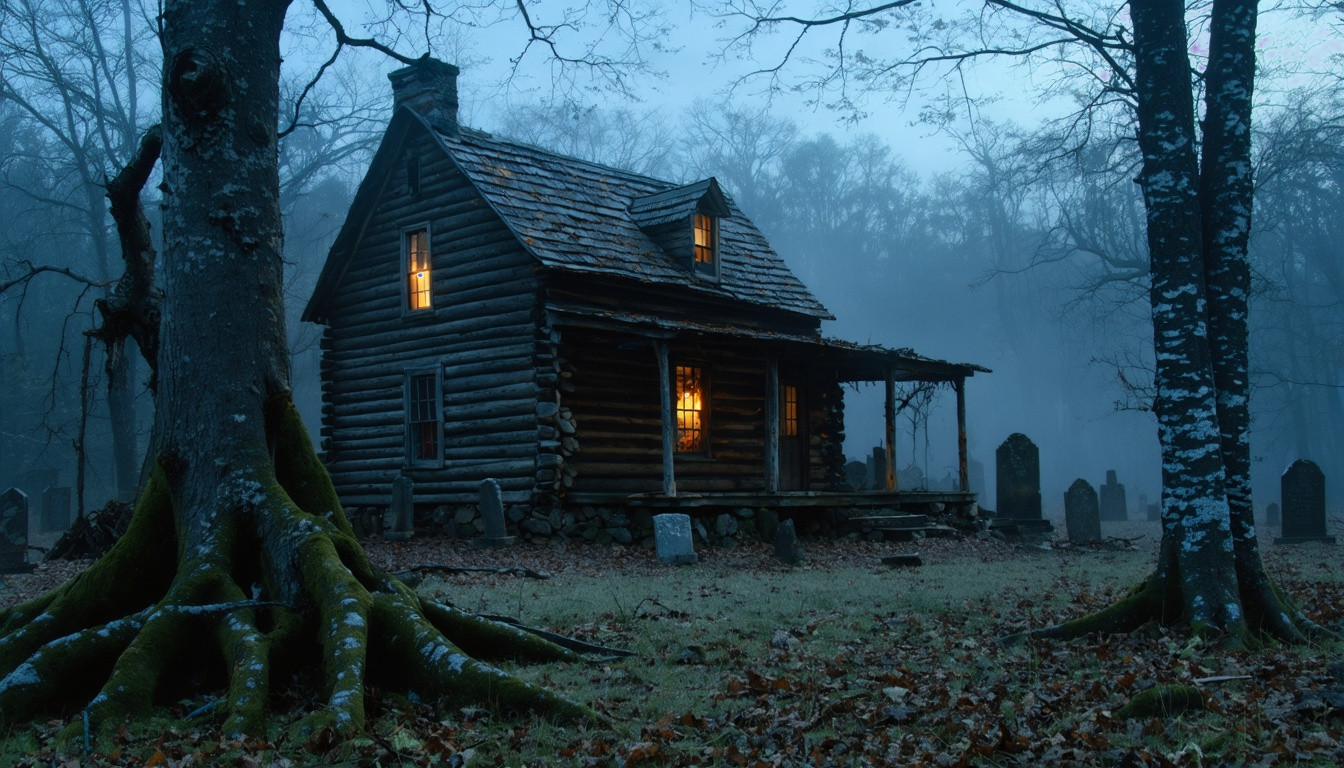
The Appalachian Mountains have spawned some of America's most durable ghost stories and creature legends. Three stand out: the Wampus Cat, a six-legged beast said to prowl Tennessee and the Carolinas; the Tailypo, a cat-like thing blamed for scratching and clawing at cabins; and the Brown Mountain Lights, mysterious glows seen near North Carolina that sparked government investigations, UFO theories, and decades of debate.
The Wampus Cat: the six-legged hunter
The legend says a woman violated tribal law and was cursed to roam the mountains as a creature with six legs, a long tail, and glowing eyes. Different versions place her curse in different eras, but the core story is consistent: she hunts at night, and locals have reported seeing her for generations. The creature became famous enough to inspire roadside attractions, local lore festivals, and even a high school mascot. Whether it's a misidentified animal, a trick of mountain shadows, or pure folklore, the Wampus Cat has earned its place in Appalachian culture as the region's answer to Bigfoot.
Get it: Unsolved Mysteries: Complete Collection Blu-ray on Amazon (The story directly mentions this show exploring Appalachian legends and paranormal phenomena that defined a generation's)
The Tailypo: scratches in the dark
This one's a campfire classic. The legend tells of a creature—part cat, part raccoon, part something else—that scratches at cabin walls and doors. The story usually ends badly: a hunter kills or wounds the Tailypo, and the creature returns night after night to claw at his cabin in revenge, driving him mad. It's the kind of tale that gets better with each telling, scarier in the dark, and perfectly suited to a cabin in the woods. The Tailypo shows up in horror anthologies and folklore collections as one of the South's most persistent creature stories, even if no one agrees on what it actually is.
The Brown Mountain Lights: real sightings, evolving explanations
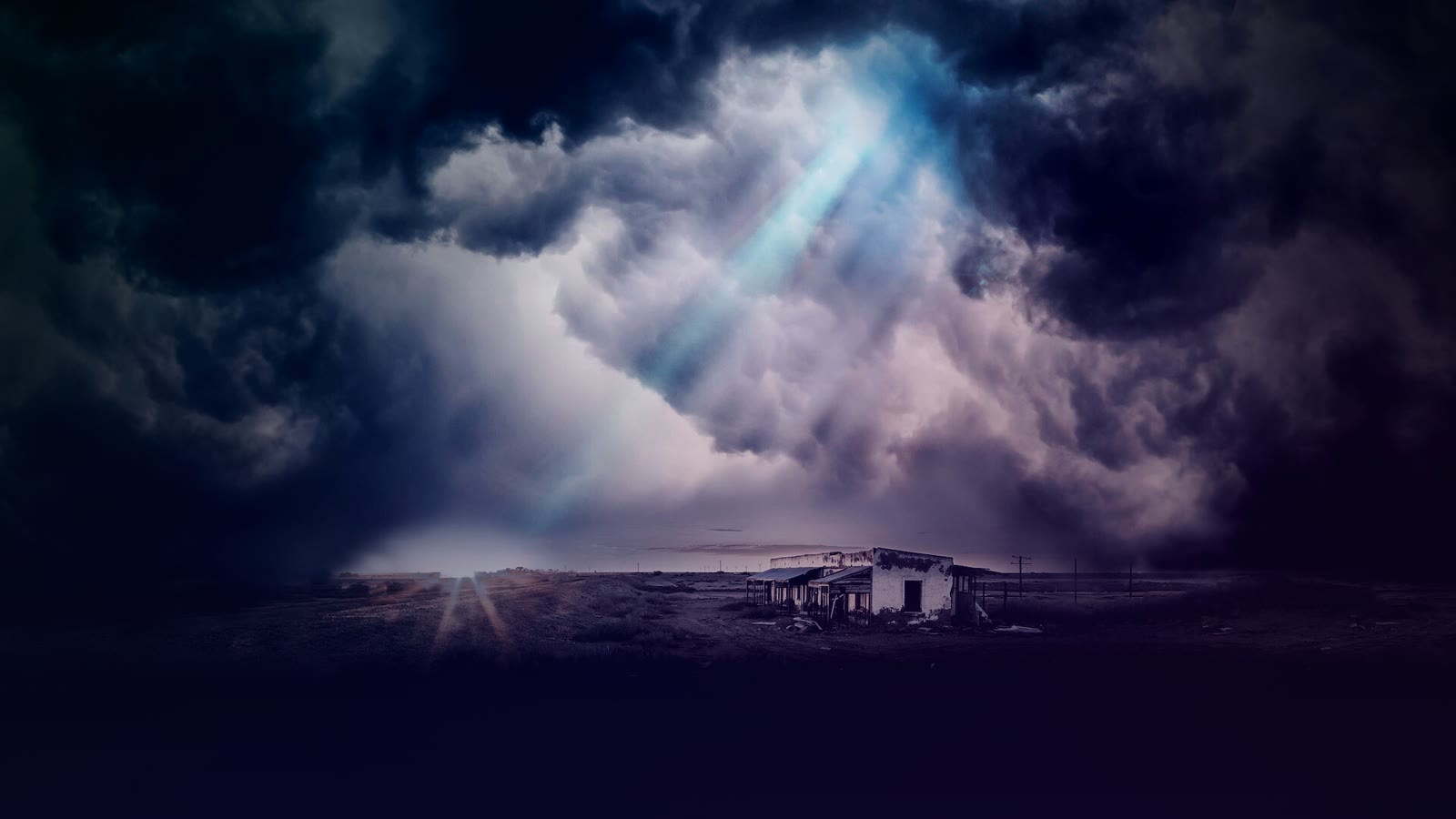
The Brown Mountain Lights near Morganton, North Carolina, are the most documented of these three legends. The earliest published references to strange lights in the area date from around 1910, roughly the same time powerful electric lighting and upgraded Southern Railway locomotive headlamps were spreading through the region. In 1922, USGS scientist George R. Mansfield investigated using a map and an alidade telescope. He recorded nighttime lights from the area and found that they corresponded to train schedules and distant car headlights. The investigation concluded the lights were distant train headlights, car headlights, and brush fires.
But the legend didn't die. Since Mansfield's investigation, local writers and storytellers have invented new histories for the lights—ghost stories about murdered women and babies, soldiers from various wars, and even alien encounters. The UFO movement reshaped Brown Mountain lore entirely. Today, ghost hunters and paranormal enthusiasts visit the area looking for close encounters with glowing spheres, a detail completely absent from the original early-20th-century reports, even though thousands of loggers were working the mountains then. The lights, as a cultural phenomenon, evolved over time to suit what people expected to see: first trains and fires, then ghosts, then aliens.
Pop culture and the paranormal
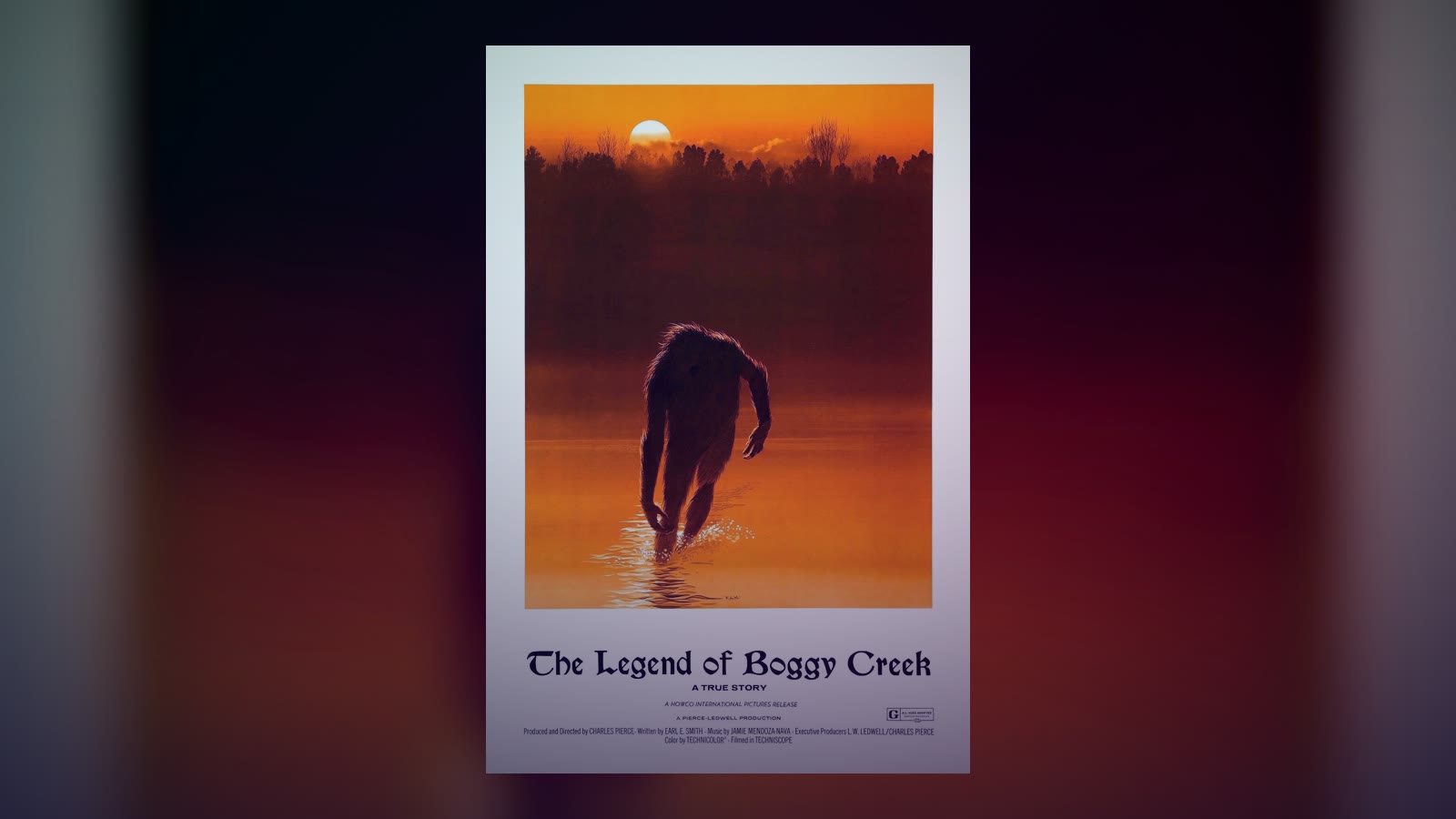
These Appalachian legends found their way into the shows that defined our generation's fascination with the unexplained. Unsolved Mysteries and In Search Of... with Leonard Nimoy both explored regional folklore and ghost lights, treating mountain legends with the same seriousness they gave UFO sightings and Bigfoot reports. The Brown Mountain Lights, in particular, have become a fixture of paranormal tourism and ghost-hunting shows, drawing visitors to North Carolina year-round.
Horror films and folklore documentaries have drawn on these stories for atmosphere and authenticity. The Tailypo especially fits the isolated-cabin-in-the-woods horror template that still works today. These aren't just old stories—they're part of how we understand fear, mystery, and the idea that wild places hold secrets we haven't solved yet.
What's real and what's folklore
The Brown Mountain Lights are documented: newspaper reports from the early 1900s, USGS investigations, train schedules, and eyewitness accounts all exist. What changed over time is the explanation locals offered. The Wampus Cat and Tailypo are pure folklore—no scientific investigation, no government study, no photograph or film. They live in oral tradition, campfire stories, and regional identity. That's their power. They don't need proof; they need believers willing to pass them on.
Where to find them today
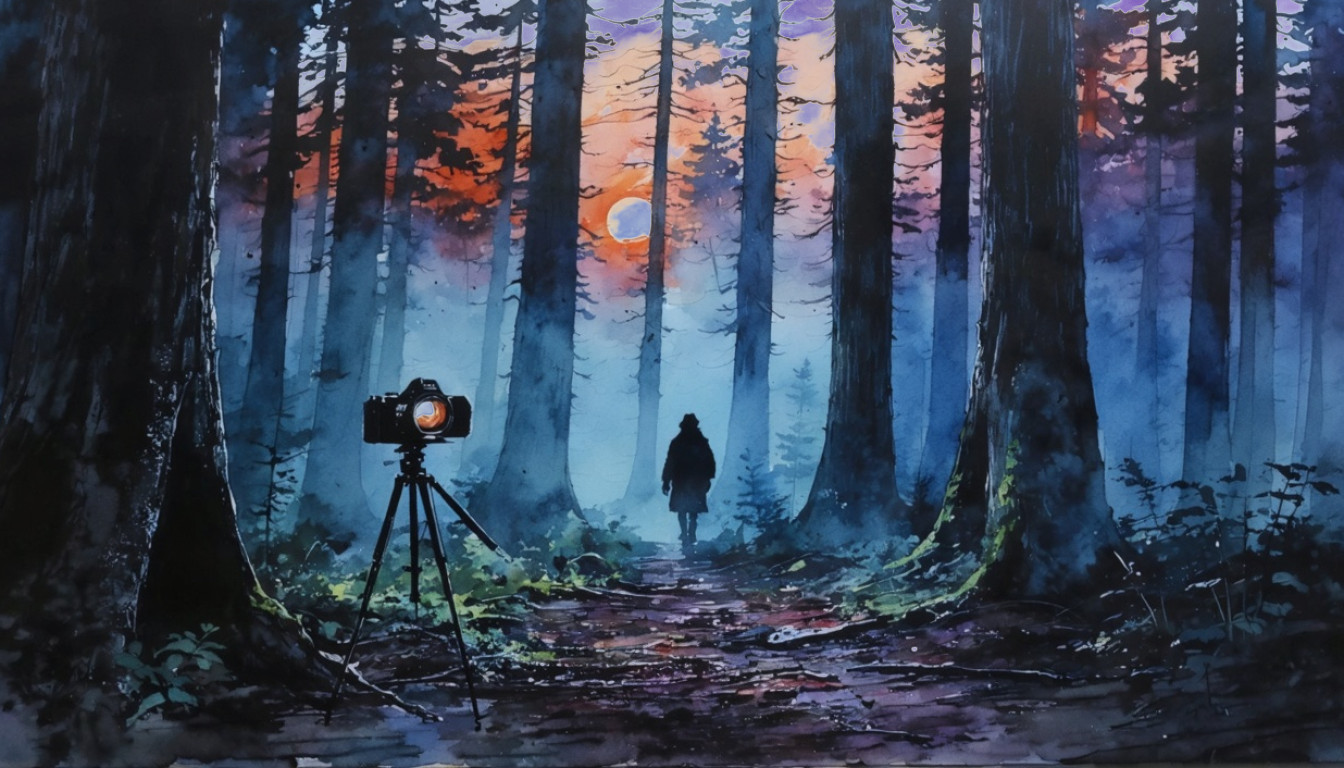
If you want to see the Brown Mountain Lights yourself, Wiseman's View near Morganton, North Carolina, is the traditional viewing spot. Locals and visitors still report seeing mysterious lights there, though skeptics will tell you they're car headlights from the valley below or hikers with flashlights. The Wampus Cat and Tailypo live online, in folklore books, at regional festivals, and in the stories people tell when the fire gets low and the woods get dark. That's where they belong.
Quick answers
Were the Brown Mountain Lights really explained?
A USGS investigation in 1922 found the lights were distant train headlights, car headlights, and brush fires. But people have been inventing new ghost stories about the lights ever since to keep the mystery alive.
Is the Wampus Cat a real animal?
No. It's a legend, likely rooted in misidentified animals seen in poor light or at distance. Different versions of the curse story exist, but there's no evidence the creature is real.
Where did the Tailypo legend come from?
It's a campfire story rooted in Appalachian folklore, though its exact origin is unclear. The tale of a scratching creature that returns for revenge is perfect for scaring people in isolated cabins.
Did Unsolved Mysteries or In Search Of... cover these stories?
Yes. Both shows explored regional paranormal phenomena and folklore, treating mountain legends as seriously as UFO sightings and cryptids, which helped popularize these Appalachian stories nationally.
🛒 Remember the Konami code? Get 291 more → Radazoid Shop
🖨️ Halloween party games, bingo & activity packs at Printable Barn →
Was this worth your time?



Sound off
Disagree all you want, swear if you have to (we'll #@$%! it out). No harassment, slurs, threats, spam or links. Comments are screened before they appear, and you'll get a daily heads-up when the conversation picks up. Your email is never shown.