
The Patterson-Gimlin Bigfoot film: real or a guy in a suit?
Decades later, believers and skeptics still can't agree on what the 1967 footage really shows.
This story has affiliate links. If you buy through them, Radazoid may earn a commission at no cost to you. How that works.
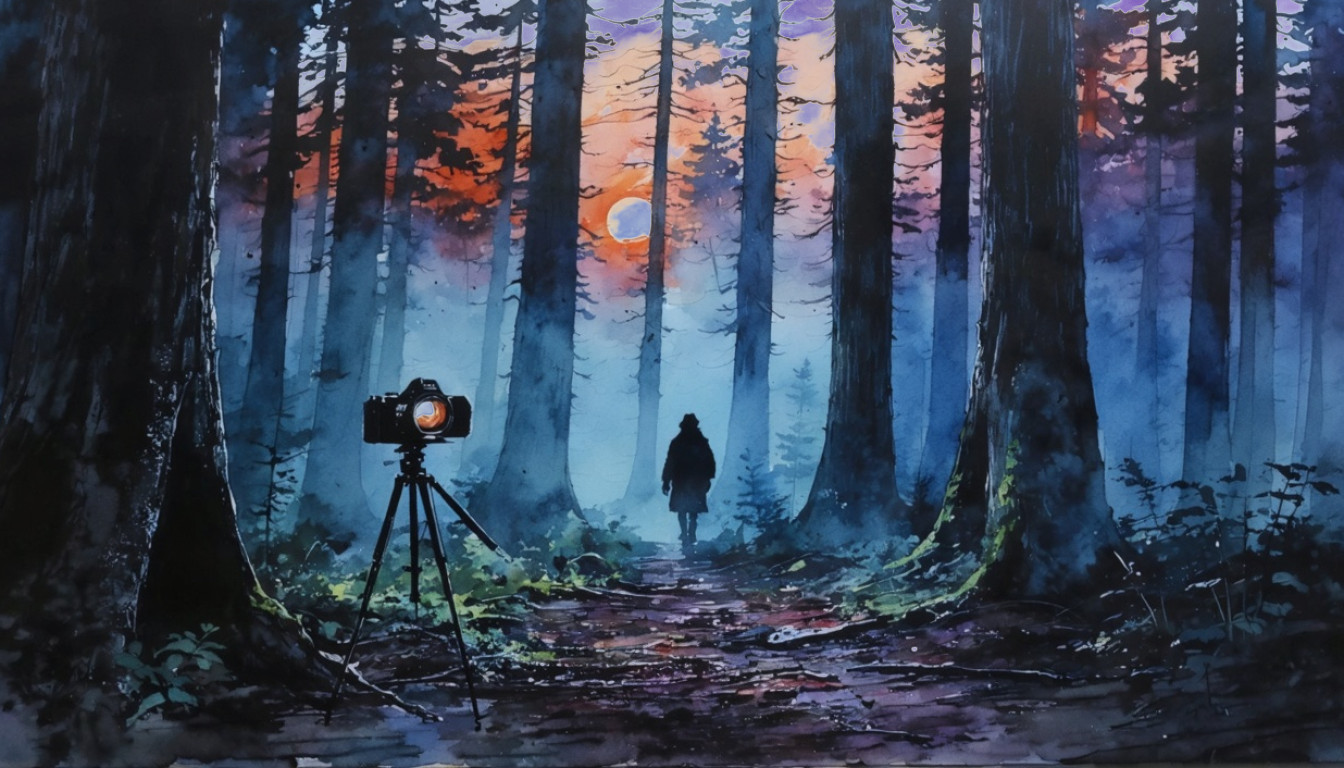
In October 1967, Roger Patterson and Robert Gimlin rode horses along Bluff Creek in Northern California and filmed what they claimed showed a real Bigfoot walking through the forest. Decades later, the Patterson-Gimlin film remains the most iconic piece of alleged Bigfoot evidence in history—and it's still dividing believers and skeptics.
What the film actually shows
The footage captures a large, dark, hair-covered figure walking away from the camera across a creek bed near Orleans, California, in Del Norte County. The creature moves with a distinctive gait, swinging its arms. The film runs for several seconds and shows the figure in clear detail. Patterson maintained until his death in 1972 that the creature was real. Gimlin has always denied being part of any hoax and mostly avoided discussing the subject publicly until around 2005, when he began giving interviews and appearing at Bigfoot conferences.
Get it: Patterson-Gimlin Film DVD/Blu-ray on Amazon (Watch the original footage that started the debate and judge for yourself)
What believers point to
Supporters of the film's authenticity argue that the creature's movement, muscle definition, and proportions would have been nearly impossible to fake with 1967 technology. They point to the figure's gait—the way it walks—as distinctly non-human and difficult to replicate in a costume. Believers also note that the location had been lost for decades due to overgrown foliage after a 1964 flood, which they say makes it harder to claim the site was pre-arranged for filming. The site was later rediscovered.
What skeptics say
Skeptics have long argued the figure is simply a person in an ape suit. Recent headlines from outlets including the New York Post, Los Angeles Times, Forbes and Newsweek reference a documentary about the Patterson-Gimlin footage, bringing fresh skeptical arguments to the debate. The skeptics' case rests on a simple fact: Patterson was working on a Bigfoot-themed film project in 1967 with other crew and participants. If he needed a costume for that production, the October footage could have been part of the same project rather than a genuine encounter.
The central argument has always come down to this: could someone in a 1967-era costume move that convincingly? Critics of the film's authenticity say yes, and they point to Patterson's documented filmmaking work as motive to stage the footage.
Bigfoot in pop culture (the 70s and 80s)
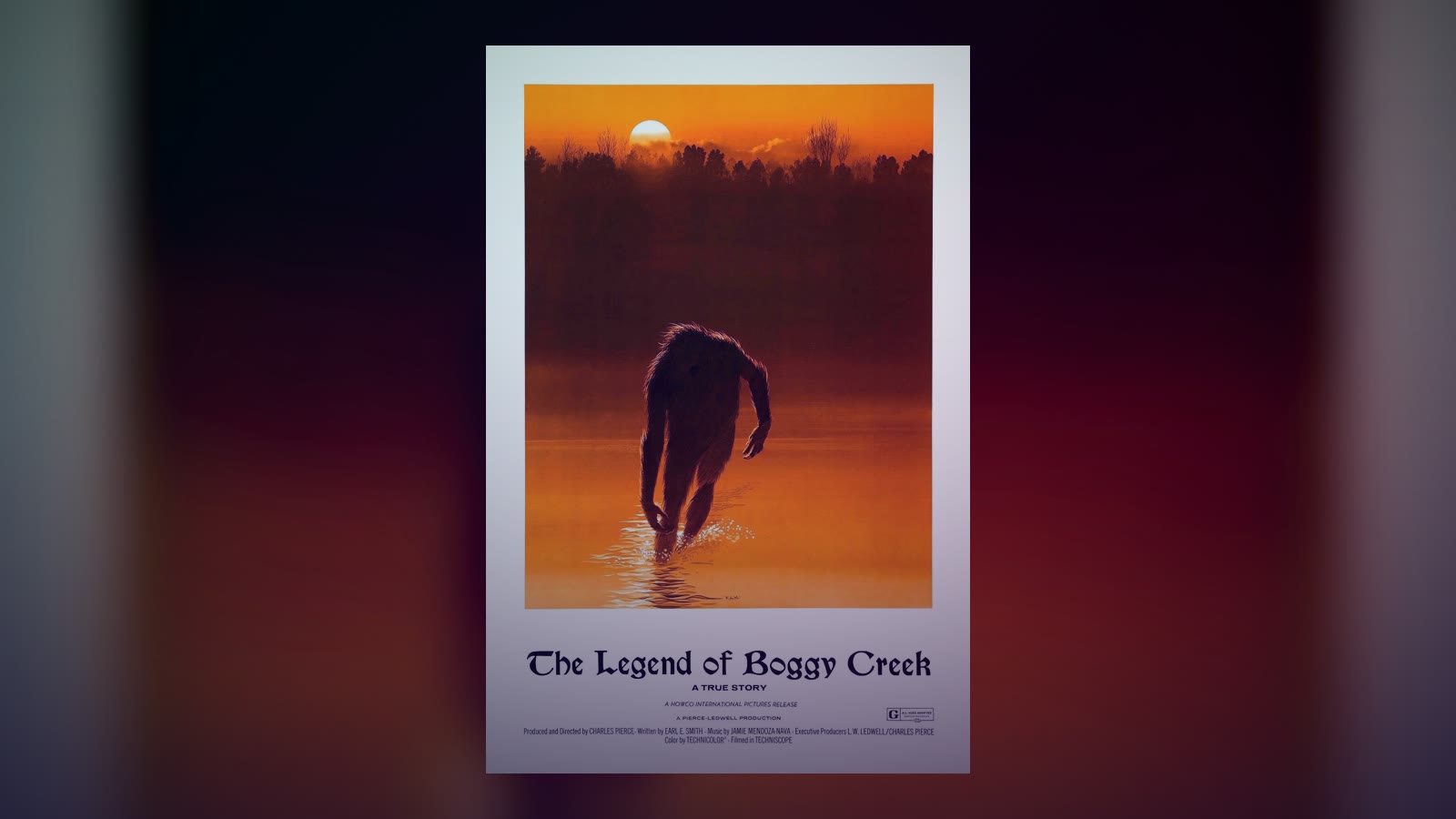
Whether the Patterson-Gimlin film was real or not, it fired up America's imagination. The creature became a fixture of 1970s and 1980s pop culture. The Six Million Dollar Man featured Bigfoot episodes that became fan favorites. Harry and the Hendersons (1987) turned Bigfoot into a family comedy, with a gentle giant living in suburbia. Jack Link's beef jerky built an entire ad campaign around a comedic Sasquatch character. The legend had become mainstream entertainment, whether believers thought the original film was real or not.
What's documented
What we know for certain: Patterson and Gimlin shot the film in October 1967 in a remote area of Northern California near Orleans in Del Norte County. The footage is in the public domain in the United States because it was published in 1967 without a copyright notice. Patterson had visited the area multiple times since 1962, invested significant time and money, and was working on a Bigfoot-themed film project with other participants in 1967. Patterson died in 1972. The film site was lost for decades and later rediscovered.
Whether you believe the film shows a real Bigfoot or an elaborate costume depends on which evidence you find more convincing—and whether you trust Patterson's intentions or suspect he was making a movie all along.
Quick answers
Did Roger Patterson ever admit the film was a hoax?
No. Patterson maintained that the creature was real right up to his death in 1972. Robert Gimlin has also always denied being part of any hoax.
Why did the film site stay lost for so long?
The exact location was lost for decades due to overgrowth in the streambed following a 1964 flood.
Was Patterson actually making a Bigfoot movie?
Yes. In 1967, Patterson was working on a film project related to Bigfoot with other crew and participants.
What does the new documentary claim?
Recent headlines reference a documentary about the Patterson-Gimlin footage, but the specific claims require viewing the film itself.
🛒 Born in 1967? Get the “Back in 1967” birthday poster → Radazoid Shop
🖨️ Printable Bible verse wall art at Printable Barn →
Was this worth your time?


Sound off
Disagree all you want, swear if you have to (we'll #@$%! it out). No harassment, slurs, threats, spam or links. Comments are screened before they appear, and you'll get a daily heads-up when the conversation picks up. Your email is never shown.