
The Bell Witch: Tennessee's most famous ghost story
America's most famous ghost story still draws believers and skeptics to Tennessee.
This story has affiliate links. If you buy through them, Radazoid may earn a commission at no cost to you. How that works.
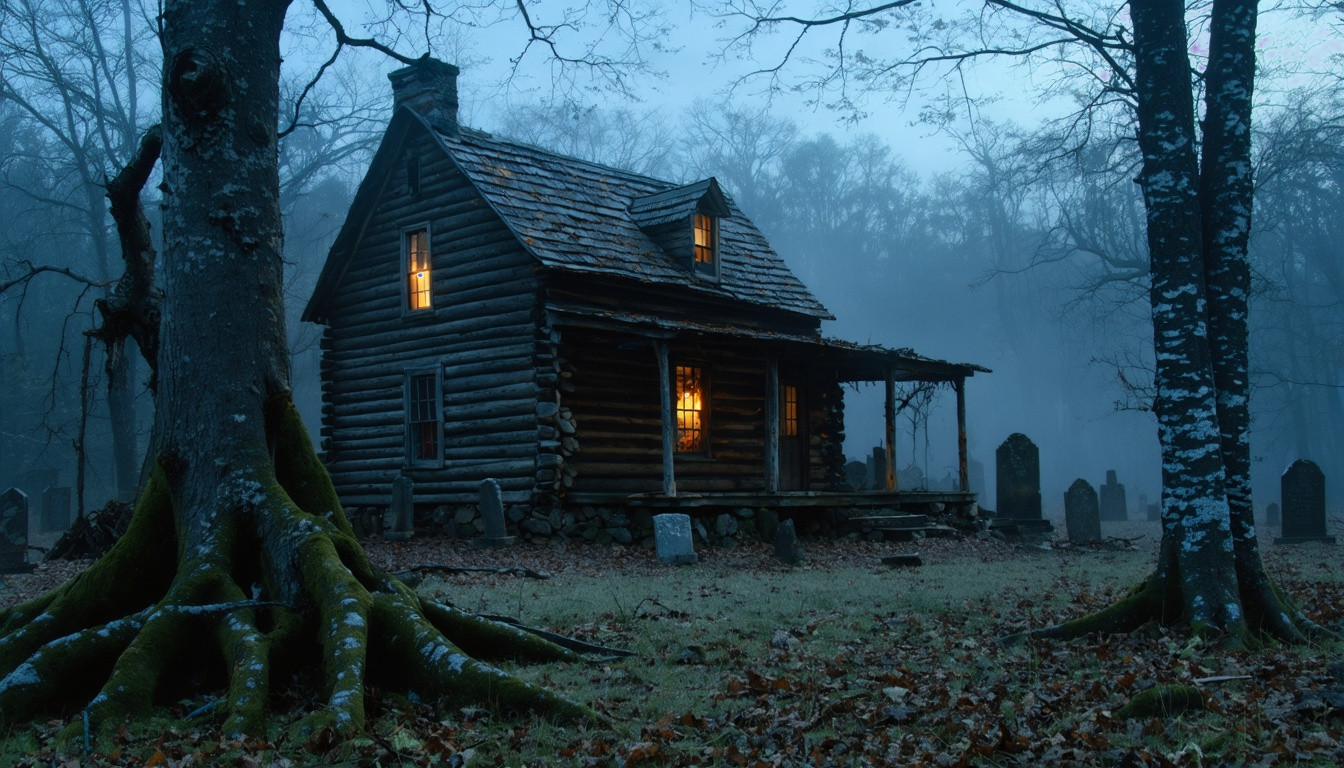
The Bell Witch haunting is the most famous ghost story in American folklore, centered on a 19th-century family in northwest Robertson County, Tennessee, near the town of Adams. According to legend, from 1817 to 1821, the Bell family and their neighbors reported attacks by an invisible entity that could speak, move objects, shapeshift, and claim to be in multiple places at once. It's the kind of campfire story that stuck around for two centuries—and still draws believers and skeptics to Tennessee every October.
What the accounts say: The documented record
The legend rests primarily on An Authenticated History of the Bell Witch, published in 1894 by newspaper editor Martin V. Ingram. Ingram's book is widely regarded as the first full-length record of the legend and a primary source for nearly everything written about it since. The individuals he documented were real historical figures—John Bell Sr., a farmer who lived along the Red River, and his family. Whether Ingram's work is a faithful historical record or historical fiction remains debated; some skeptics regard it as fraud or historical fiction, while other researchers treat it as an early folklore study reflecting genuine 19th-century belief in the region.
Get it: An Authenticated History of the Bell Witch on Amazon (The primary source document that started it all—the 1894 book that defined the legend for two centuries)
The story begins in 1817 when John Bell witnessed a strange creature resembling a dog on his property. He fired at it and it vanished. His son Drew saw an enormous bird on a fence that flew away. His daughter Betsy spotted a girl in a green dress swinging from an oak tree. A slave named Dean reported being followed by a large black dog. Then the phenomena moved inside: knocking on doors and walls, gnawing sounds on beds, invisible dogs fighting, chains dragging across floors. John Bell's mouth became paralyzed. Sheets were ripped from beds while children slept. The entity pulled hair, scratched, slapped, and pinched the children—especially Betsy—with pins.
The spirit eventually spoke aloud, claiming to be "Old Kate Batts' witch" and responding to the name Kate. The voice offered shifting explanations for its presence: the disturbance of a Native American burial mound on the property, or buried treasure. Kate demonstrated knowledge of Biblical text, enjoyed theological arguments, repeated sermons word for word from miles apart, and shared gossip about neighbors' private lives. She spoke in different accents and claimed to have visited homes in other states and even England to mimic families' voices and frighten them.
According to the accounts, the haunting climaxed with John Bell Sr. being poisoned by the witch. After his death, Kate interrupted the mourners by singing drinking songs. In 1821, she told the family she would leave but return in seven years. The legend says she did return in 1828 with similar activity, but the family didn't encourage it, and she appeared to leave again.
The Andrew Jackson story: Fact or folklore?
Several accounts claim that during his military career, Andrew Jackson was intrigued by the Bell Witch legend and sent men to investigate. According to the story, his men were frightened away. This tale has become part of the legend itself, though historians debate whether it actually happened or was added later as the story grew. It's the kind of detail that sounds too good to be true—and probably is—but it shows how the Bell Witch captured the national imagination even in the 1800s.
What skeptics and scientists say
The most obvious explanation is that the phenomena were misinterpreted or exaggerated accounts of ordinary events, psychological stress, or outright fabrication. Poltergeist activity in folklore often centers on a young person (in this case Betsy Bell), which skeptics attribute to attention-seeking, pranks, or the power of suggestion in a community primed to expect supernatural events. The paralysis John Bell experienced could have been a real medical condition unrelated to any haunting. Ingram's account came decades after the events allegedly ended—plenty of time for embellishment, misremembering, and the addition of details that fit the emerging spiritualist movement of the late 1800s.
The story also contains elements common to folklore worldwide: a spirit with multiple explanations for its origin, superhuman abilities, knowledge of distant events, and the ability to mimic voices perfectly. These are hallmarks of legend-building, not evidence of an actual haunting.
The Bell Witch Cave and what's there today
While the Bell Witch legend originated in the 1800s, the Bell Witch Cave didn't become central to the story until the 20th century. Today it's a source of ongoing interest and a draw for believers and curious visitors. The cave remains a focal point for the legend, and the area around Adams, Tennessee, has embraced its haunted history as part of regional folklore and tourism. Events like the Bell Witch Fall Festival and Torchlight Tales at nearby Jeffers Bend draw crowds during October, offering cemetery tours and storytelling tied to the legend.
How the legend spread beyond Tennessee
The Bell Witch story has inspired contemporary artistic treatments that expanded its reach far beyond Middle Tennessee. Film and other media have brought the legend to a wider audience, keeping the core story alive for people who might never have heard of the Bell family otherwise. The legend also appears in various paranormal documentaries, podcasts, and books aimed at believers and folklore enthusiasts, cementing it as one of America's most famous haunting stories.
Why it still matters
The Bell Witch is a genuinely unsettling story—not because it's proven to be real, but because it's been believed and retold for over 200 years. It reflects how communities make sense of unexplained events, how stories grow and change as they're passed down, and how a good campfire tale can outlast the people who lived through it. Whether you believe the Bells encountered a genuine supernatural entity, a misunderstood natural phenomenon, or pure fiction, the legend itself is worth knowing. It's American folklore at its best: weird, detailed, and impossible to fully explain away.
Quick answers
Did the Bell Witch actually kill John Bell?
According to the 1894 account by Martin V. Ingram, the spirit poisoned John Bell Sr., and he died. Whether this actually happened or was added to the legend later is unknown; the account was published long after the events allegedly occurred.
What is the Bell Witch Cave?
The Bell Witch Cave became associated with the legend in the 20th century and is now a source of ongoing interest and tourism near Adams, Tennessee. It's a focal point for visitors interested in the legend today.
Did Andrew Jackson really investigate the Bell Witch?
Several accounts claim Jackson sent men to investigate during his military career and they were frightened away. Historians debate whether this actually happened or was added to the legend as it grew.
Is there any proof the haunting was real?
No scientific proof exists. The primary source is Ingram's 1894 book, published decades after the events. Skeptics attribute the phenomena to misinterpretation, psychological stress, pranks, or outright fabrication.
🛒 Turning 50? There’s a birthday poster for that → Radazoid Shop
🖨️ Halloween party games, bingo & activity packs at Printable Barn →
Was this worth your time?




Sound off
Disagree all you want, swear if you have to (we'll #@$%! it out). No harassment, slurs, threats, spam or links. Comments are screened before they appear, and you'll get a daily heads-up when the conversation picks up. Your email is never shown.