
In Search Of... with Leonard Nimoy: the episodes that hooked a generation
How Leonard Nimoy's calm authority made UFOs and cryptids feel terrifyingly real.
This story has affiliate links. If you buy through them, Radazoid may earn a commission at no cost to you. How that works.
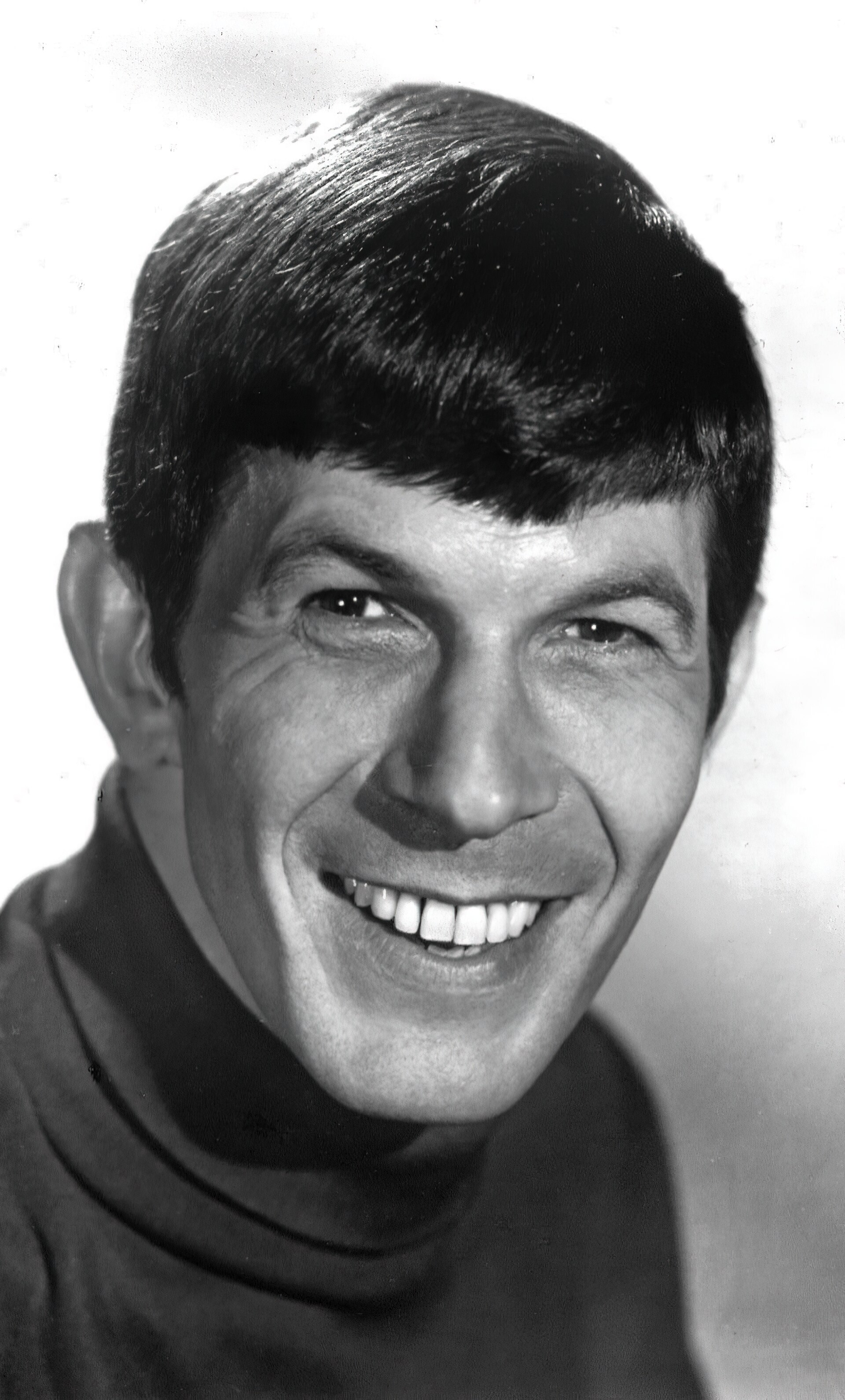
In Search of... ran from the late 1970s to the early 1980s and made Leonard Nimoy the voice of the strange and unexplained. Nimoy hosted and narrated the documentary series, lending his calm, measured Spock-like authority to stories about cryptids, UFO sightings, lost civilizations, and paranormal phenomena that had no clear answers. For kids in the late 70s and early 80s, the show was equal parts fascinating and terrifying—proof that the world held mysteries science couldn't explain.
What made the show stick with us
Nimoy's narration was the secret weapon. He didn't sensationalize or mock the witnesses and believers; he presented the evidence, the sightings, the legends with the same gravity he'd bring to a Spock analysis. The show's format—a mix of archival footage, interviews, reenactments, and still photography—felt serious, almost journalistic. There was no winking at the camera. Whether the episode was about the Patterson-Gimlin Bigfoot film, UFO encounters, or the Bell Witch haunting, Nimoy treated it as a genuine mystery worth investigating.
Get it: In Search Of... Complete Series Blu-ray on Amazon (Experience the full run of episodes that defined a generation's fascination with mysteries and the unexplained.)
The show's opening theme—eerie, synthesizer-driven—promised something unsettling. Kids would watch, half-hidden behind the couch, knowing they'd have nightmares but unable to look away.
Episodes that defined the series
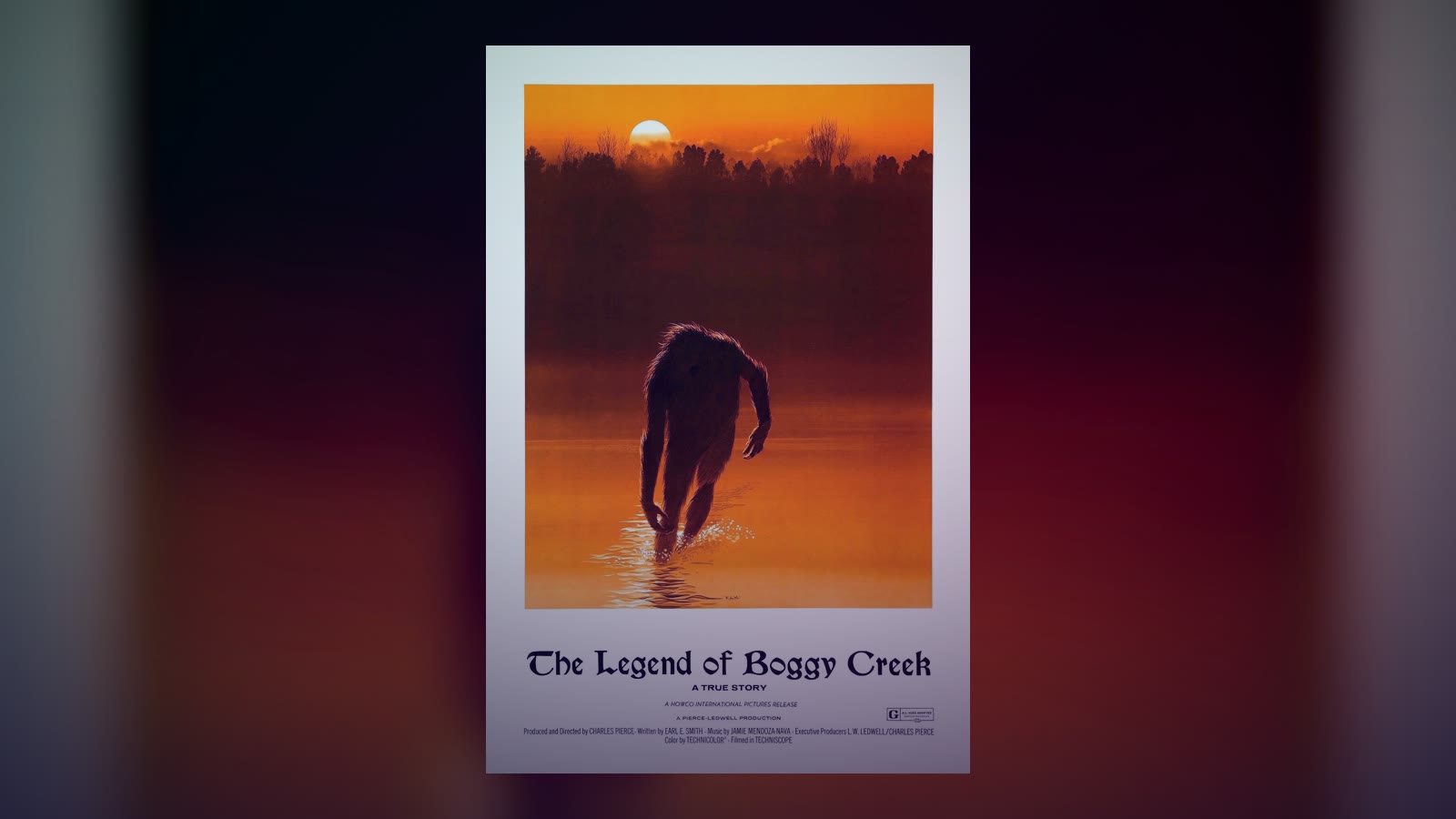
The show covered everything: Bigfoot, the Loch Ness Monster, UFOs, the Bermuda Triangle, psychic phenomena, ancient astronauts, spontaneous human combustion, and creatures like the Mothman. Each episode would lay out eyewitness accounts, historical records, and expert opinions—then leave you hanging. The mystery stayed a mystery. That was the point. The show never promised answers; it promised questions that kept you up at night.
Episodes featured documented sightings (the Patterson film, the Roswell incident, historical hauntings) alongside folklore and legend. The series didn't separate fact from folklore; it presented both as part of the cultural record, letting viewers draw their own conclusions.
Why it scared kids (and why it still works)
The show's power wasn't special effects or jump scares. It was the suggestion that these things might be real. Real people reported seeing them. Real footage existed. Real historians and researchers took them seriously. Nimoy's deadpan delivery—never mocking, never sensational—made it all feel plausible.
For kids who grew up on this, the show created a sense that the world was bigger and stranger than school taught you. There were gaps in human knowledge, unexplained phenomena, and mysteries that science hadn't solved. That's either thrilling or terrifying, depending on your age and how dark the room is.
What's actually documented
In Search of... ran multiple seasons on ABC in the late 1970s and early 1980s. The show drew on real historical records, actual eyewitness accounts, and documented footage—like the Patterson-Gimlin film from 1967, genuine UFO reports filed with the government, and historical accounts of hauntings and strange phenomena. The series was based on research; it wasn't fiction dressed up as fact. Whether the explanations the show offered were correct is another matter.
What scientists and skeptics say
Researchers and skeptics have offered conventional explanations for most of the phenomena the show covered: the Patterson film was likely a person in a suit; UFO sightings have prosaic causes (weather balloons, aircraft, natural phenomena); hauntings can be explained by infrasound, electromagnetic fields, or psychological factors; and cryptids are either misidentified animals or folklore without physical evidence. The show's strength was that it presented the mystery without insisting on the extraordinary explanation—leaving room for both believers and skeptics to interpret what they saw.
Where to watch it now
Episodes are available on streaming platforms and home video. Fans report that the show holds up well; Nimoy's narration and the earnest presentation of the material feel timeless. The production values are unmistakably 70s and early 80s—which adds to the charm for viewers who remember that era. If you're looking to relive the experience or introduce the series to your kids, the full run is out there.
The show is a time capsule of how we thought about mysteries before the internet gave us instant answers (or claimed to). It's campfire storytelling with a documentary veneer, and Nimoy was the perfect guide: intelligent, calm, and never quite telling you what to believe.
Quick answers
Did Leonard Nimoy really believe in UFOs and cryptids?
Nimoy hosted the series as a narrator presenting documented accounts and eyewitness testimony, not as a personal endorsement. His approach was journalistic: here's what people reported, here's the evidence, here's what experts say. He let viewers decide.
Is the show still scary?
For viewers who grew up with it, yes—it taps into genuine mystery and the unsettling idea that the world holds unexplained things. For new viewers, the 70s production style and Nimoy's calm authority create an eerie, almost retro atmosphere that works as storytelling even if the mysteries feel dated.
What's the most famous episode?
The series is remembered as a whole for its coverage of cryptids like Bigfoot and the Loch Ness Monster, UFO sightings, and historical hauntings—rather than single standout episodes. The Patterson-Gimlin Bigfoot film and Roswell UFO incident episodes are among the most referenced.
🛒 Printable 80s trivia, bingo & party games → Radazoid Shop
🖨️ Printable party games & trivia at Printable Barn →
Was this worth your time?

Sound off
Disagree all you want, swear if you have to (we'll #@$%! it out). No harassment, slurs, threats, spam or links. Comments are screened before they appear, and you'll get a daily heads-up when the conversation picks up. Your email is never shown.