
Bass fishing legends: when catching fish was must-see TV
How Ray Scott turned a weekend hobby into a televised phenomenon that made bass fishing stars.
This story has affiliate links. If you buy through them, Radazoid may earn a commission at no cost to you. How that works.
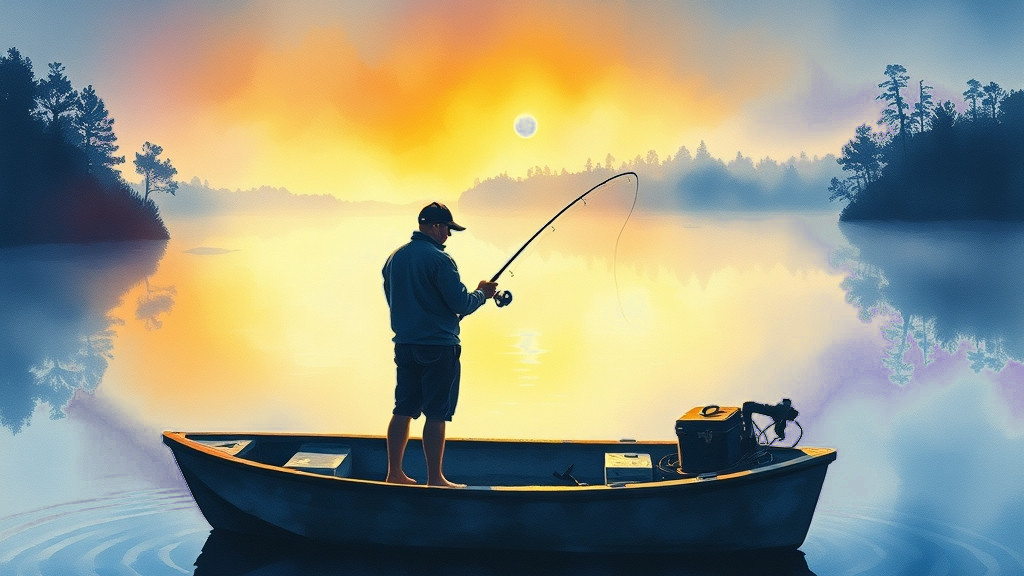
Bass fishing didn't start in a TV studio. It started on farm ponds and reservoir banks across America, where working-class guys figured out that black bass fought harder than anything else in freshwater and that catching them was worth doing seriously. By the 1980s and 1990s, what had been a hobby became appointment television, and the men who dominated the sport became celebrities in their own right.
How Ray Scott Built a Sport from Scratch
In 1967, Ray Scott of Montgomery, Alabama, launched the Bass Anglers Sportsman Society—B.A.S.S.—and invented competitive bass fishing as we know it. Scott held the first B.A.S.S. Federation tournament in June 1967 on Beaver Lake in Arkansas with anglers from multiple states. Scott had already figured out the formula: make it official, make it big, make it a show.
Get it: Bassmaster Classic Tournament History DVD on Amazon (Relive the legendary tournaments and anglers that built bass fishing into must-see TV during the 80s and 90s)
That's marketing genius wrapped in mystery, and it worked. Starting in 1977, Scott announced the venue in advance so fans could plan to attend. By then, the Bassmaster Classic had become the Super Bowl of Fishing, complete with packed arenas and live broadcasts.
The Legends Who Made It Matter
By the 1980s and 1990s, bass fishing had its pantheon. Bill Dance claimed titles in multiple years. Rick Clunn, Larry Nixon, Jimmy Houston, Hank Parker—these weren't just guys who caught fish. They were competitors, personalities, and the faces of a sport that was growing faster than anyone expected.
Kevin VanDam became the most decorated angler in B.A.S.S. history, with the most tournament wins in the organization's record book. Rick Clunn and VanDam are tied for the most Bassmaster Classic wins, each with four titles. But the 1980s and 1990s belonged to a broader cast: anglers who treated bass fishing like football players treat the NFL, who studied water conditions like chess masters, and who understood that consistency and skill separated champions from the rest.
Why It Became Must-See Television
The plastic worm revolutionized bass fishing. Suddenly, anglers had a tool that mimicked natural prey in a way live bait couldn't match. Add electronic fish-finders, specialized bass boats, and tackle designed specifically for the sport, and you had an industry—and a spectacle.
B.A.S.S. tournaments drew fans because they were unpredictable. A guy could be leading after day one and get skunked on day two. Water temperature, weather, time of day, and the angler's ability to read a lake all mattered. The final weigh-ins became arena events, with crowds watching anglers dump their daily catch onto scales in front of thousands. Bassmaster magazine and The Bassmasters television program brought it all home to guys sitting in their living rooms who wished they were on the water.
The Money and the Organization
B.A.S.S. built itself into a major fishing organization with hundreds of thousands of members worldwide. The Bassmaster Elite Series became bass fishing's highest-paying competitive league, with substantial prize money each season. The Classic itself became the championship event, with first-place prizes that made winning worth the grind of traveling and competing all season.
The organization also built pathways: the Bassmaster Opens gave amateurs a shot at the pros, and the Bassmaster College Series let young anglers taste national competition. B.A.S.S. Nation, composed of bass clubs throughout the country, kept the grassroots alive while the Elite Series chased the big money.
Why It Mattered Then—and Still Does
Bass fishing in the 1980s and 1990s proved that you didn't need a traditional sport—no ball, no court, no uniform—to build a following. You needed competition, personality, and a guy willing to bet his reputation and his paycheck on his ability to read water and catch fish. The sport had working-class roots and never forgot them. These weren't trust-fund kids; they were guys who'd grown up fishing because it was free entertainment and dinner, and who turned that knowledge into careers.
The Bassmaster Classic is still called the Super Bowl of Fishing. The tournaments still draw crowds. The money is still real. That's not an accident. That's the legacy Ray Scott built and the legends of the 1980s and 1990s cemented.
Quick answers
Who started competitive bass fishing?
Ray Scott of Montgomery, Alabama, founded the Bass Anglers Sportsman Society (B.A.S.S.) in 1967 and held the first B.A.S.S. tournament that June on Beaver Lake in Arkansas with anglers from multiple states.
What made the Bassmaster Classic so famous?
Scott staged the first Classic in 1971 at Lake Mead, Nevada, as a mystery-location event—competitors didn't know where they were going until they were aboard an aircraft bound for the site. Starting in 1977, Scott announced venues in advance, and the Classic became a spectator event filling large arenas and broadcast live on television.
Who were the biggest names in bass fishing during the 1980s and 1990s?
Bill Dance, Rick Clunn, Larry Nixon, Jimmy Houston, and Hank Parker dominated the era. Kevin VanDam became the most decorated angler in B.A.S.S. history.
How big is professional bass fishing today?
The Bassmaster Elite Series is bass fishing's highest-paying competitive league, and the Bassmaster Classic is considered the Super Bowl of Fishing, with final weigh-in events filling large arenas and broadcast on television.
Was this worth your time?








Sound off
Disagree all you want, swear if you have to (we'll #@$%! it out). No harassment, slurs, threats, spam or links. Comments are screened before they appear, and you'll get a daily heads-up when the conversation picks up. Your email is never shown.