
Jeff Gordon: How the Rainbow Warrior Made NASCAR Cool
The California kid who made NASCAR impossible to ignore.
This story has affiliate links. If you buy through them, Radazoid may earn a commission at no cost to you. How that works.
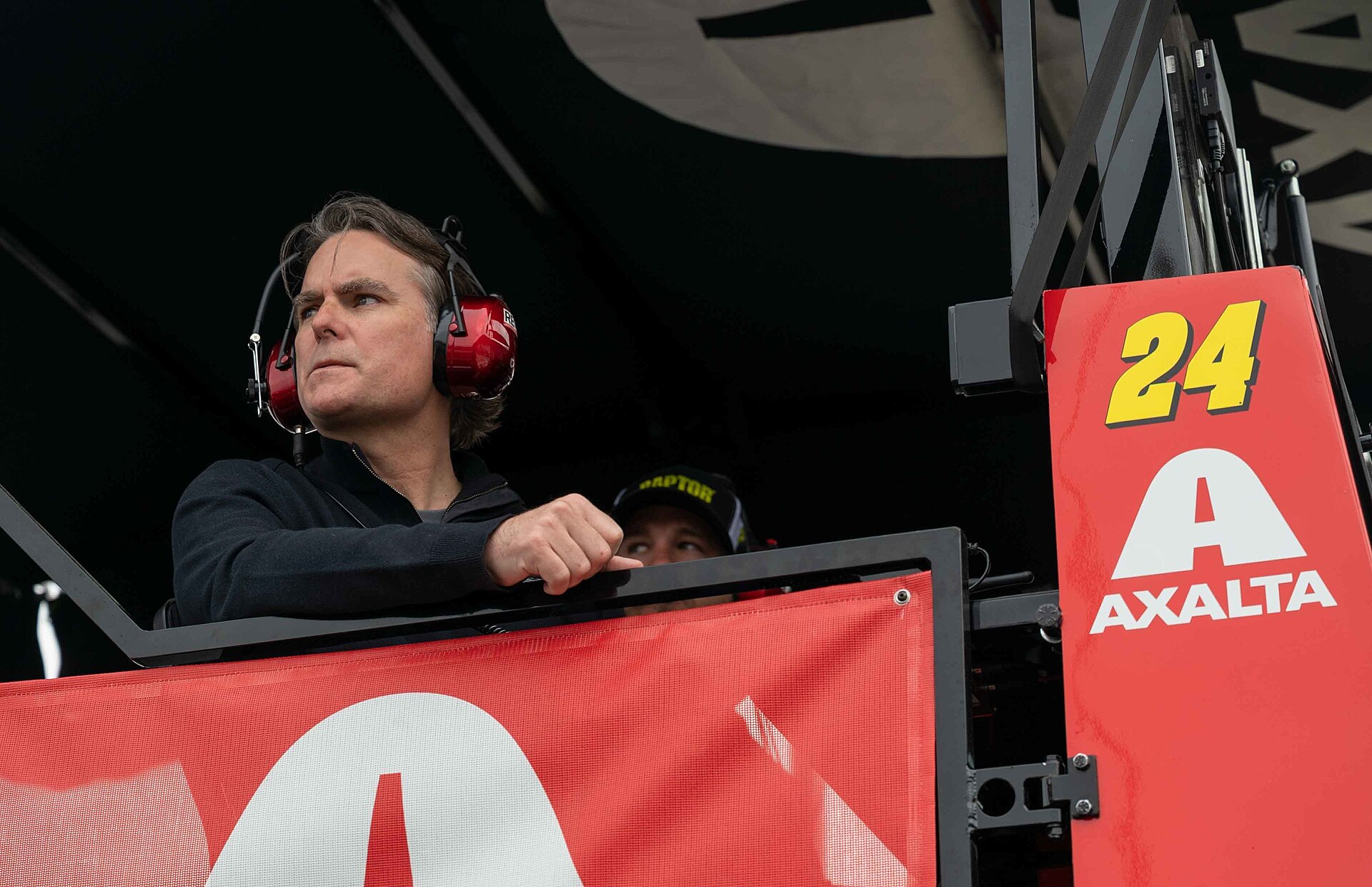
Jeff Gordon was born in Vallejo, California, on August 4, 1971, and became the face of NASCAR's explosion into the mainstream during the 1990s and 2000s. Driving the iconic No. 24 Chevrolet for Hendrick Motorsports from 1993 to 2015, Gordon won four Cup Series championships (1995, 1997, 1998, 2001), the Daytona 500 three times (1997, 1999, and 2005), and holds the modern-era record for most wins in a single season with 13 wins in 1998—third all-time in career wins with 93—while remaking how America saw stock car racing. He wasn't a Southern good ol' boy in a cowboy hat; he was young, fast, stylish and unapologetically dominant. That mattered.
Why Gordon Changed Everything
Before Gordon, NASCAR was a regional sport, strongest in the South, tied to moonshine, rural tracks and a specific culture. Gordon arrived as a polished, California-born prodigy who could beat anybody and didn't need to talk like he was from Wilkes County to prove it. He raced road courses like a road-course guy and superspeedways like a speedway guy. His paint schemes—especially that rainbow Dupont scheme—became iconic, visible from the grandstands and unforgettable on TV.
Get it: Jeff Gordon: Passion for Racing on Amazon (Gordon's memoir tells his story from California kid to NASCAR icon and mainstream celebrity)
More importantly, Gordon won constantly. He won at least one pole position in 23 consecutive seasons, a NASCAR record. NASCAR named him one of its 50 Greatest Drivers in 1998, while he was still driving. He wasn't just good; he was historically good, and he did it during an era when cable TV and ESPN could beam his face and his car into millions of homes every Sunday.
The DuPont Connection and the Look
The rainbow DuPont scheme became Gordon's signature. That car was impossible to miss—bold, modern, and completely different from the traditional paint jobs of older drivers. It looked fast standing still. Sponsors noticed. DuPont stuck with him, and that partnership became one of the longest and most visible in NASCAR history. The scheme wasn't just a paint job; it was a brand, and Gordon was the product.
Gordon also looked the part off-track. He was articulate in interviews, comfortable on camera, and didn't need a translator for mainstream America. When he appeared on late-night TV or in commercials, he didn't seem out of place. That crossover appeal—rare for NASCAR drivers at the time—helped bring new fans who might never have watched a race otherwise.
The Records That Proved It
Gordon holds the modern-era record for most wins in a single season and is third all-time in career wins with 93. He completed three career Grand Slams and won sixteen Crown Jewel races—both all-time records. His restrictor-plate track wins and road-course wins are records too. He was the active "iron man" for consecutive races through the 2015 season.
Those numbers aren't just statistics; they're evidence of consistency and dominance across every type of track. Gordon could win on a half-mile short track, a two-mile superspeedway, a road course, and a restrictor-plate oval. That versatility separated him from drivers who were great at one thing.
The Mainstream Moment
Gordon's peak coincided with cable TV's rise and ESPN's hunger for content. Every race was on TV. Every win was replayed. His personality fit the era—confident without arrogance, competitive without being unlikeable. He won over fans who had never cared about racing before, and he did it while the sport was still figuring out how to reach beyond its traditional base.
By the 2000s, Gordon had transcended racing. He was a celebrity, period. Kids who didn't watch NASCAR knew who Jeff Gordon was. That doesn't happen by accident; it happens when talent, timing, personality and relentless winning collide.
What Came After
Gordon retired as a full-time driver in 2015 and now serves as vice chairman of Hendrick Motorsports. He was inducted into the NASCAR Hall of Fame in 2019. He co-owns the No. 48 Chevrolet (previously driven by Jimmie Johnson) and has an equity stake in the No. 24 team.
Gordon's legacy isn't just wins and championships. It's the idea that NASCAR could be cool, that a driver could be a crossover star, and that the sport could reach people who grew up watching MTV and playing video games instead of listening to country radio at a dirt track. He didn't invent modern NASCAR, but he proved it could exist—and thrive.
Quick answers
How many championships did Jeff Gordon win?
Four: 1995, 1997, 1998, and 2001.
What was Gordon's most dominant season?
1998, when he won 13 races in a single season—a modern-era record.
What made Gordon different from other NASCAR drivers of his era?
He was California-born, articulate, comfortable on mainstream media, and versatile across all track types. His modern paint schemes and crossover appeal helped bring new fans to NASCAR during the 1990s and 2000s.
Is Gordon still involved in racing?
Yes. He retired as a full-time driver in 2015 and now serves as vice chairman of Hendrick Motorsports, where he co-owns the No. 48 team and has an equity stake in the No. 24.
Was this worth your time?






Sound off
Disagree all you want, swear if you have to (we'll #@$%! it out). No harassment, slurs, threats, spam or links. Comments are screened before they appear, and you'll get a daily heads-up when the conversation picks up. Your email is never shown.