
Marvelous Marvin Hagler: the middleweight king who dominated the 1980s
The southpaw who dominated the 1980s with an unstoppable style and iron chin.
This story has affiliate links. If you buy through them, Radazoid may earn a commission at no cost to you. How that works.
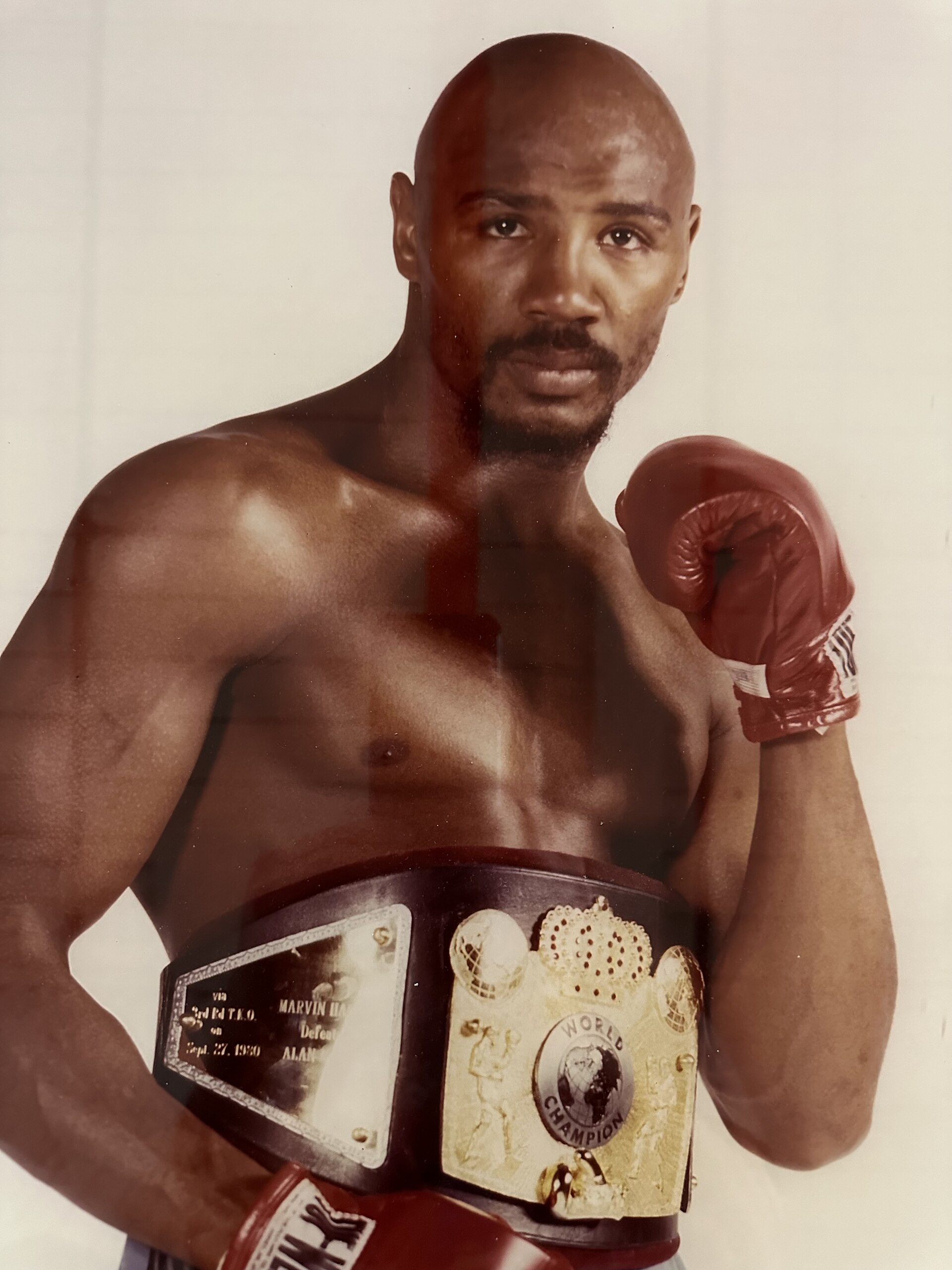
Marvelous Marvin Hagler reigned as the undisputed middleweight champion from 1980 to 1987, cementing himself as one of the most dominant fighters of the decade. Born Marvin Nathaniel Hagler in Newark, New Jersey, he rose from poverty and the chaos of the 1967 riots to become a boxing legend—and he did it with a style that was impossible to ignore: a shaved head, rippling muscle, and a southpaw stance that frustrated opponents who had never seen anything like him. He passed away in 2021, but his legacy remains unmatched in the sport.
How did Hagler get his start?
Hagler first put on gloves at age ten with a social worker named Mister Joe. Years later, in 1969, after being beaten by Dornell Wigfall in a street fight, he entered the gym run by brothers Pat and Goody Petronelli, who became his trainers and managers for life. He turned pro after an outstanding amateur career, but the early years were brutal: Joe Frazier himself told Hagler, "You have three strikes against you: you're black, you're a southpaw, and you're good." Hagler had to chase fights, often traveling to his opponents' hometowns just to get a bout. When promoters finally started taking him seriously, he dismantled everyone they put in front of him—including Olympic gold medalist Sugar Ray Seales and ranked contenders like Mike Colbert and Kevin Finnegan.
Get it: Marvelous: The Marvin Hagler Story (DVD) on Amazon (Relive Hagler's dominant 1980s reign and learn his full story from Newark to boxing legend status.)
What made his title reign so special?
Hagler's first shot at the middleweight title came in November 1979 against Vito Antuofermo at Caesars Palace in Las Vegas. Most ringside observers thought Hagler won, but the fight was ruled a draw—a decision that infuriated him and the boxing world. He won the belt about a year later and held it decisively through the 1980s. What set Hagler apart was his durability and knockout power: he was knocked down only once in his entire professional career, a debatable knockdown by Argentina's Juan Roldán. Boxing writers and analysts still cite his chin as among the most durable in ring history.
In 1982, annoyed that network announcers often failed to call him "Marvelous," Hagler legally changed his name to Marvelous Marvin Hagler. It wasn't vanity—it was a power move. The nickname stuck, and so did his dominance.
Who were his greatest opponents?
Hagler's title defenses read like a who's who of 1980s boxing. He defended against top-ranked contenders repeatedly, and nearly every fight ended with an opponent on the canvas. His run during this era was marked by dominant victories.
What's his legacy?
Hagler was inducted into both the International Boxing Hall of Fame and the World Boxing Hall of Fame. He competed as a professional from 1973 to 1987 and retired as a champion. The Ring magazine named him the fourth greatest middleweight of all time. He proved that a black southpaw from the inner city could become the most feared fighter in the world—and that a man's word and his legacy matter more than one more check.
Quick answers
How long did Hagler hold the middleweight title?
From 1980 to 1987—nearly seven years. He made multiple successful title defenses during this reign, with most ending by knockout.
Was Hagler ever knocked down?
Only once in his entire professional career, by Juan Roldán of Argentina, and that knockdown was debatable. His chin is considered among the most durable in boxing history.
Why did Hagler legally change his name?
In 1982, frustrated that network announcers often failed to call him 'Marvelous,' he legally changed his name from Marvin Nathaniel Hagler to Marvelous Marvin Hagler.
What made Hagler stand out from other middleweight champions?
His combination of knockout power, durability, and relentless style made him nearly impossible to beat. He competed from 1973 to 1987 and retired as a champion.
Was this worth your time?






Sound off
Disagree all you want, swear if you have to (we'll #@$%! it out). No harassment, slurs, threats, spam or links. Comments are screened before they appear, and you'll get a daily heads-up when the conversation picks up. Your email is never shown.