
Dodge Viper first generation: the V10 madman that proved American muscle could beat Ferrari
How Chrysler built a hand-assembled supercar from truck parts that shocked Ferrari and Porsche.
This story has affiliate links. If you buy through them, Radazoid may earn a commission at no cost to you. How that works.
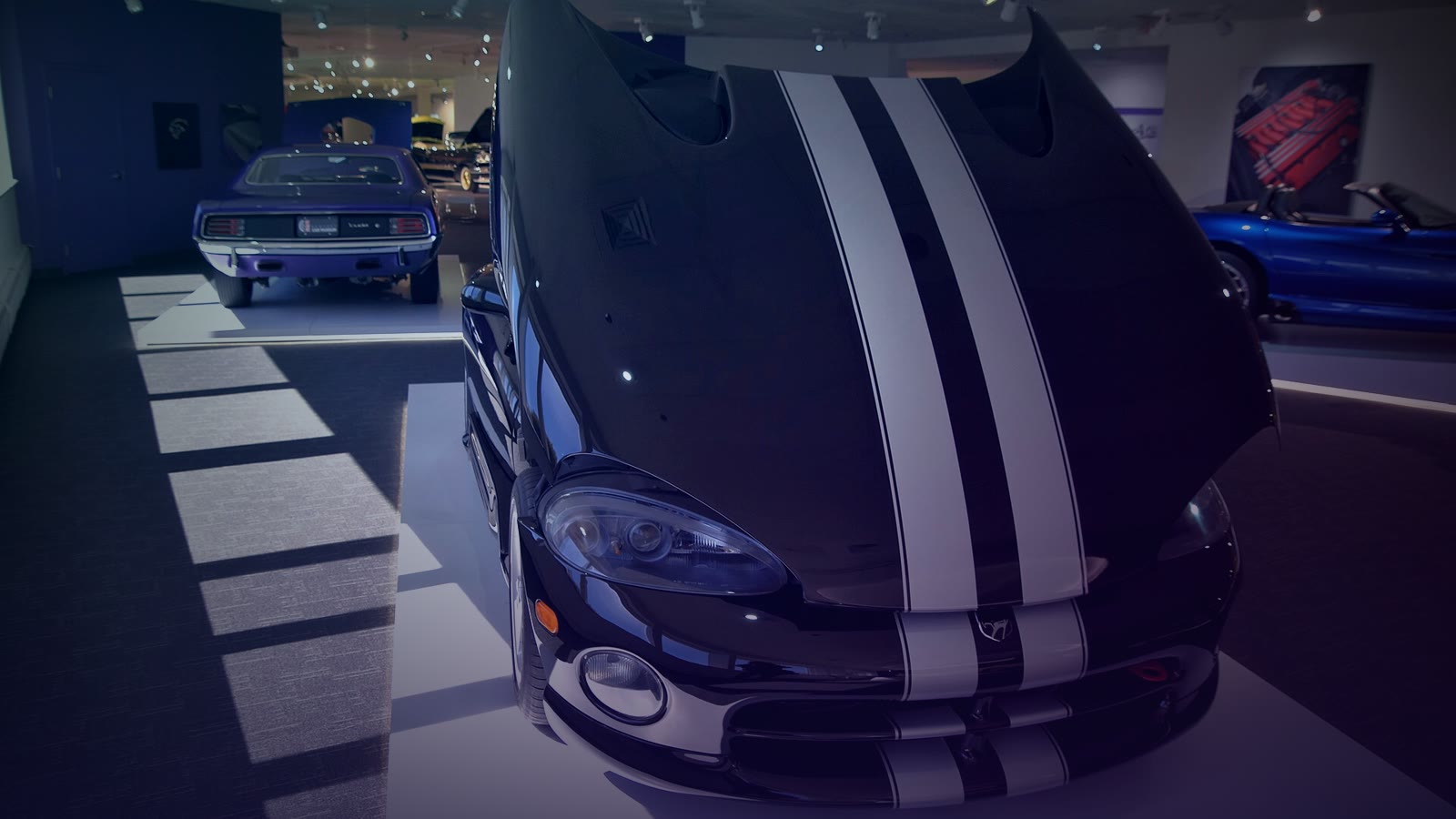
In 1989, Chrysler president Bob Lutz walked into the design studio with a crazy idea: build a modern AC Cobra. By January 1992, the Dodge Viper RT/10 Roadster was in customer hands, and it immediately rewrote what an American sports car could be. It was a hand-assembled, unforgiving rocket that made European supercars nervous—and it proved that Detroit could still build something raw enough to matter.
How Chrysler Built a Supercar from Truck Parts
The Viper started with an idea and a constraint: use existing Chrysler hardware. Chief engineer Roy Sjoberg led the development team. They took the LA V8 engine block and stretched it into a V10—a massive, naturally-aspirated engine with no turbo, no hybrid assist, no software tricks. The result: a brutally quick engine that made no apologies.
Get it: Dodge Viper Die-Cast Model 1:18 Scale on Amazon (Own a detailed replica of the first-gen icon without the insurance premiums or maintenance headaches)
The chassis was a tubular steel frame wrapped in fiberglass panels. The body weighed almost nothing by supercar standards. No traction control. No airbags. The roof was canvas with vinyl windows you unzipped. It was Jeep Wrangler primitive in a supercar, and that was the whole point.
The first retail Viper cars shipped in January 1992. The car had debuted the previous year as the pace car for the Indianapolis 500.
The Numbers That Mattered
The first-generation V10 was based on Chrysler's LA engine but stretched to ten cylinders—a massive displacement that fed the car's reputation for relentless power. The engine was mounted longitudinally at the front, giving the car balance that surprised everyone who drove it.
On the road, the Viper accelerated hard enough that it became a legend almost instantly. It could out-run Ferraris and Porsches that cost twice as much. Journalists were shocked. European manufacturers were not amused. The Viper proved that raw American horsepower and a light chassis could beat sophistication and prestige.
But the Viper was not forgiving. It had no electronic nannies to catch mistakes. Lift off the throttle mid-corner and the rear would step out. The steering was direct and heavy. The brakes were powerful but required muscle. It was a car that demanded respect, and it punished overconfidence. That was the appeal: you had to earn every tenth of a second.
Why the First Gen Still Matters
The 1992-1995 Viper represents a moment when American manufacturers could still build something uncompromising and genuinely dangerous. It was not a car for everyone. It was not comfortable. It was not practical. It was a pure performance machine from a time when that still meant something.
The Viper proved that Detroit did not need a Japanese transmission or a German turbo to build a world-class supercar. It could take a truck engine, bolt it into a lightweight chassis, strip out everything unnecessary, and create something that made sense on a track and nowhere else. That confidence—that willingness to build something raw—is what made the first-gen Viper iconic.
What Are They Worth Now?
First-generation Vipers from the early 1990s have become genuinely collectible. Low-mileage examples and special editions command strong money. To check current values, search Hagerty's valuation tools, which track market sales and collector pricing. You can also check eBay sold listings to see what actual cars have traded for recently.
Condition, mileage, and color matter. A well-maintained RT/10 Roadster from the early years is a different animal than a neglected one. Check the service history, inspect the fiberglass for cracks and repairs, and have a pre-purchase inspection done by someone who knows Vipers. The V10 is reliable if maintained, but these cars demand respect and regular care.
What to Check Before You Buy
- Canvas roof: Original roofs crack and fade. Replacement is possible but expensive. Check for water damage inside the cabin.
- Fiberglass body: Look for cracks, repairs, and evidence of impact damage. Repainting is costly.
- Vinyl windows: They fog and crack. Replacements are available but add up.
- Engine service history: The V10 is tough, but these cars were driven hard. Full service records are a green light.
- Transmission: The manual gearbox is strong. Check for smooth shifts and no grinding.
- Brakes and suspension: These cars were tracked. Verify brake pads, rotors, and suspension components have been maintained.
The Bigger Picture
The first-generation Viper is a time capsule of American confidence. It arrived when Chrysler was fighting for its life, when the company needed a hero car to prove it could still build something that mattered. The Viper was that car. It was unpolished, unrefined, and absolutely sincere. It did not apologize for being loud or raw or difficult. It just worked, and it worked better than anything else at the price.
That attitude—build something real, make it powerful, strip out the excess, and let the driver figure it out—is almost extinct now. Modern supercars are computers with wheels. The first-gen Viper was a car. That is why it still matters, and why collectors and enthusiasts still chase them.
Quick answers
Why did the first Viper have a canvas roof and vinyl windows?
Weight and purity. The Viper was engineered as a raw performance car first. The car was intentionally primitive, like the Jeep Wrangler, with every ounce of excess stripped away.
Is a first-gen Viper reliable enough to own today?
The V10 is tough and simple by supercar standards, but these cars were often driven hard. Full service history is critical. Expect to budget for brake work, suspension maintenance, and fiberglass repairs. They reward proper care.
Was this worth your time?




Sound off
Disagree all you want, swear if you have to (we'll #@$%! it out). No harassment, slurs, threats, spam or links. Comments are screened before they appear, and you'll get a daily heads-up when the conversation picks up. Your email is never shown.