
Ferrari Testarossa buying guide: what to know before you buy
Three generations, one legendary engine—here's how to spot the real prize.
This story has affiliate links. If you buy through them, Radazoid may earn a commission at no cost to you. How that works.
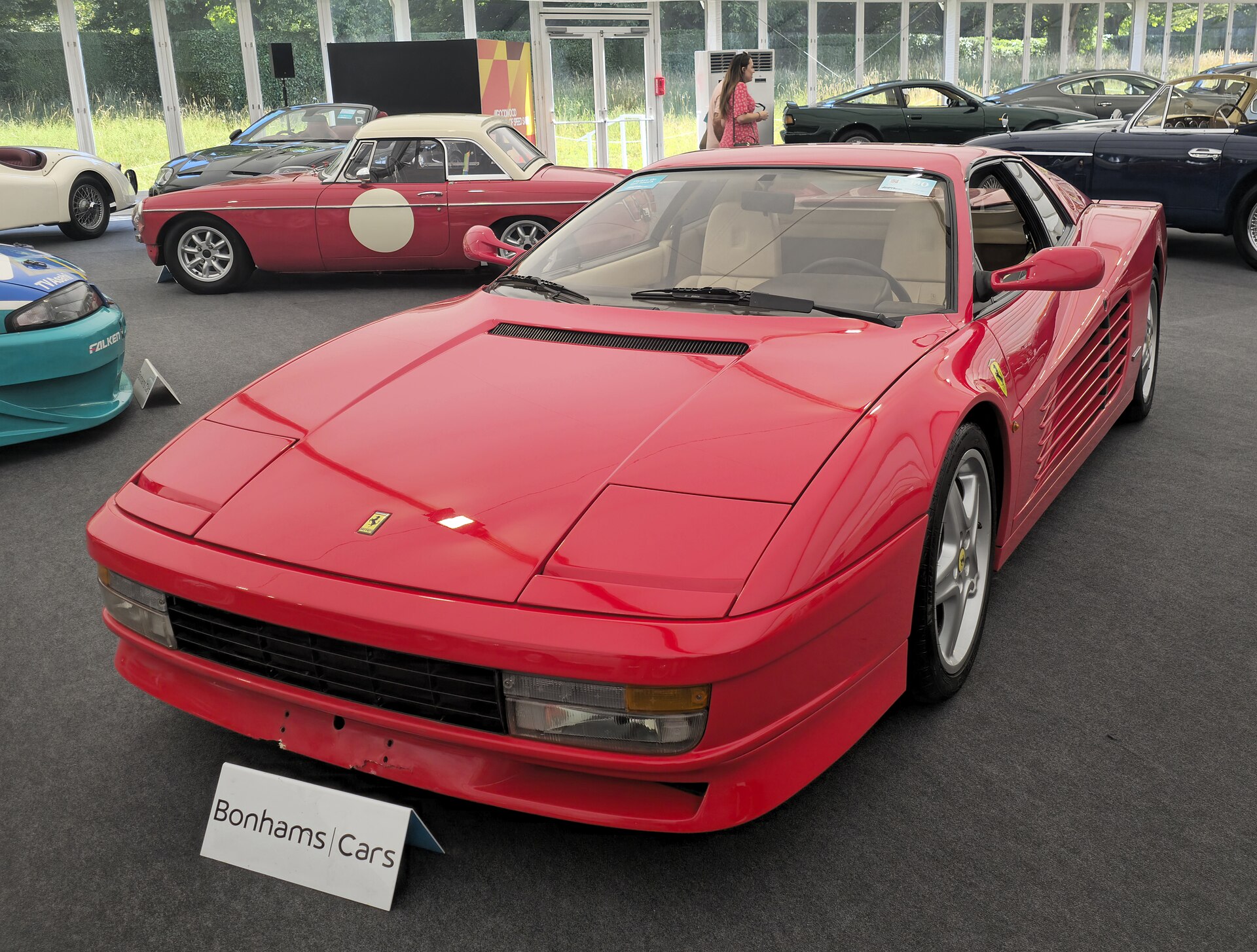
The Ferrari Testarossa is the most iconic supercar of the 1980s, and values have been climbing steadily. Whether you're chasing a dream or making a real investment, you need to know what you're looking at: three distinct generations across more than a decade of production, each with its own strengths and headaches. All three share the same brutally quick flat-12 engine and the same basic layout—mid-mounted, rear-wheel-drive, and designed to be the Berlinetta Boxer's hotter, wider, better-cooled replacement.
If you're serious about buying, check Hagerty's valuation tools and completed eBay and auction-house sales listings to see what examples are actually selling for right now. Prices move fast in this market, and what sold months ago may not reflect today's demand.
Get it: Ferrari Testarossa: The Complete Story on Amazon (Comprehensive guide to all three generations, production history, and what makes each model year unique for buyers)
What makes the original Testarossa special?
The 1984–1991 Testarossa is the car that matters. It's the one that appeared on Miami Vice, the one that defined the decade, and the one collectors chase hardest. The original was the most mass-produced of the three generations, but it commands the biggest premiums because it's the one everyone remembers.
The mirror design was updated in later model years, and if the mirror placement matters to you, check the specific year and market carefully.
All versions are naturally aspirated, all use a 5-speed manual, and all sit mid-engine with a rear-biased weight distribution that favors handling and stability.
512 TR and F512 M: worth the hunt?
The F512 M followed with even finer tuning and was Ferrari's last flat-12 car. Combined, these two generations produced significantly fewer cars than the original.
They're less famous and mechanically more refined. If you don't need the Miami Vice cachet and you want a car that's slightly easier to live with, the TR or F512 M makes sense. But know that they're also less collectible; the market values the original above all.
Engine and transmission: what you need to know
The flat-12 is the Testarossa's heart and soul—and its biggest wildcard. It's a complex, tight engine with dry-sump lubrication, 48 valves, and demanding fuel and maintenance requirements. Owners report that the engine is stout and reliable when cared for, but neglect or poor maintenance can turn it into a serious financial problem.
The 5-speed manual is simple and durable. It's not a modern gearbox, so shifts are mechanical and sometimes notchy, but it holds up well to proper use.
Before you buy, get a pre-purchase inspection from a Ferrari specialist. Have the engine pulled and inspected if the car's history is murky. Look for oil leaks, valve cover gasket weeping, and any sign that the previous owner skipped services. The flat-12 will run well over 100,000 miles if you treat it right, but it will also cost heavily if you don't.
What to check before you write a check
Service history is everything. A Testarossa with complete, documented maintenance is worth a premium. A car with gaps in service records is a gamble. Ask for receipts, not just the seller's word.
Mileage matters, but not the way you think. A well-maintained car with higher miles is better than a low-mileage car with no service records. High mileage on a cared-for Testarossa is not a deal-breaker; abandonment is.
Check the cooling system. The Testarossa's twin side radiators and complex plumbing can develop leaks. Listen for coolant noises, check for stains under the car, and have a specialist inspect the radiators and hoses.
Suspension and brakes. The double-wishbone suspension is robust, but worn bushings and tired brake components are common on older cars. Budget for a refresh if the car hasn't been serviced recently.
Interior and electronics. The cabin is dated by modern standards, but it should be solid. Check for cracked leather, failed climate control, and non-functioning gauges. These are expensive to fix.
Rust and body panels. The Testarossa's aluminum body is rust-resistant, but the frame and undercarriage can corrode. Look for surface rust, especially around the rocker panels and rear fenders. Check that all body panels fit evenly; poor panel gaps suggest accident damage or sloppy repair.
Why values are climbing
The Testarossa is a cultural icon. It's the 1980s in four wheels. As that decade moves from living memory into history, demand from collectors who grew up wanting one has intensified. Fewer cars are for sale than buyers want to buy, and that gap is pushing prices up. The car is also becoming rarer as examples are wrecked, stored indefinitely, or simply worn out.
At the same time, the Testarossa is becoming a harder car to live with in the modern world. Insurance is expensive, fuel economy is abysmal, and modern traffic is unforgiving of a car this wide and this low. That means the market is splitting: investment collectors and enthusiasts with deep pockets are buying the best examples, while mid-range cars are losing ground. If you're buying to drive, buy the best car you can afford and plan to keep it. If you're buying to invest, buy an early original with impeccable history.
Where to find one and what to expect to pay
Testarossas show up at Bring a Trailer, Hemmings, eBay Motors, and Ferrari specialists. Check completed sales on those sites to see what cars are actually selling for—not asking prices, but what buyers are actually paying. Auction results are your best guide to real-world value.
Budget for a pre-purchase inspection by a Ferrari specialist, not a general mechanic. That inspection will cost money, but it will save you far more. Factor in insurance, storage if you're not driving it regularly, and at least one major service per year even if you don't drive much. The Testarossa is not a car you can buy and ignore.
If you're serious, join Ferrari clubs and forums, talk to owners, and learn what has gone wrong on the cars you're looking at. The Testarossa community is tight and helpful. Use that knowledge.
Quick answers
Which generation is the best investment?
The original 1984–1991 Testarossa, especially early single-mirror models, commands the highest prices and strongest collector demand. The 512 TR and F512 M are rarer but less celebrated.
How much does maintenance cost?
Expect major services to run high. Oil changes, filter replacements, and routine work are expensive because the engine is complex and access is tight. Budget conservatively and work with a Ferrari specialist.
Is the flat-12 engine reliable?
Yes, if maintained properly. The engine is robust and will run well over 100,000 miles on good fuel and regular service. Neglect or poor maintenance will destroy it quickly.
Should I buy a high-mileage or low-mileage car?
A well-maintained high-mileage car is better than a low-mileage car with spotty service history. Complete maintenance records matter more than odometer reading.
Was this worth your time?



Sound off
Disagree all you want, swear if you have to (we'll #@$%! it out). No harassment, slurs, threats, spam or links. Comments are screened before they appear, and you'll get a daily heads-up when the conversation picks up. Your email is never shown.