
Jeep XJ Cherokee restomod buyers guide: what to look for in the 90s platform everyone's building now
The XJ Cherokee is the restomod everyone's building—here's what to buy and why.
This story has affiliate links. If you buy through them, Radazoid may earn a commission at no cost to you. How that works.
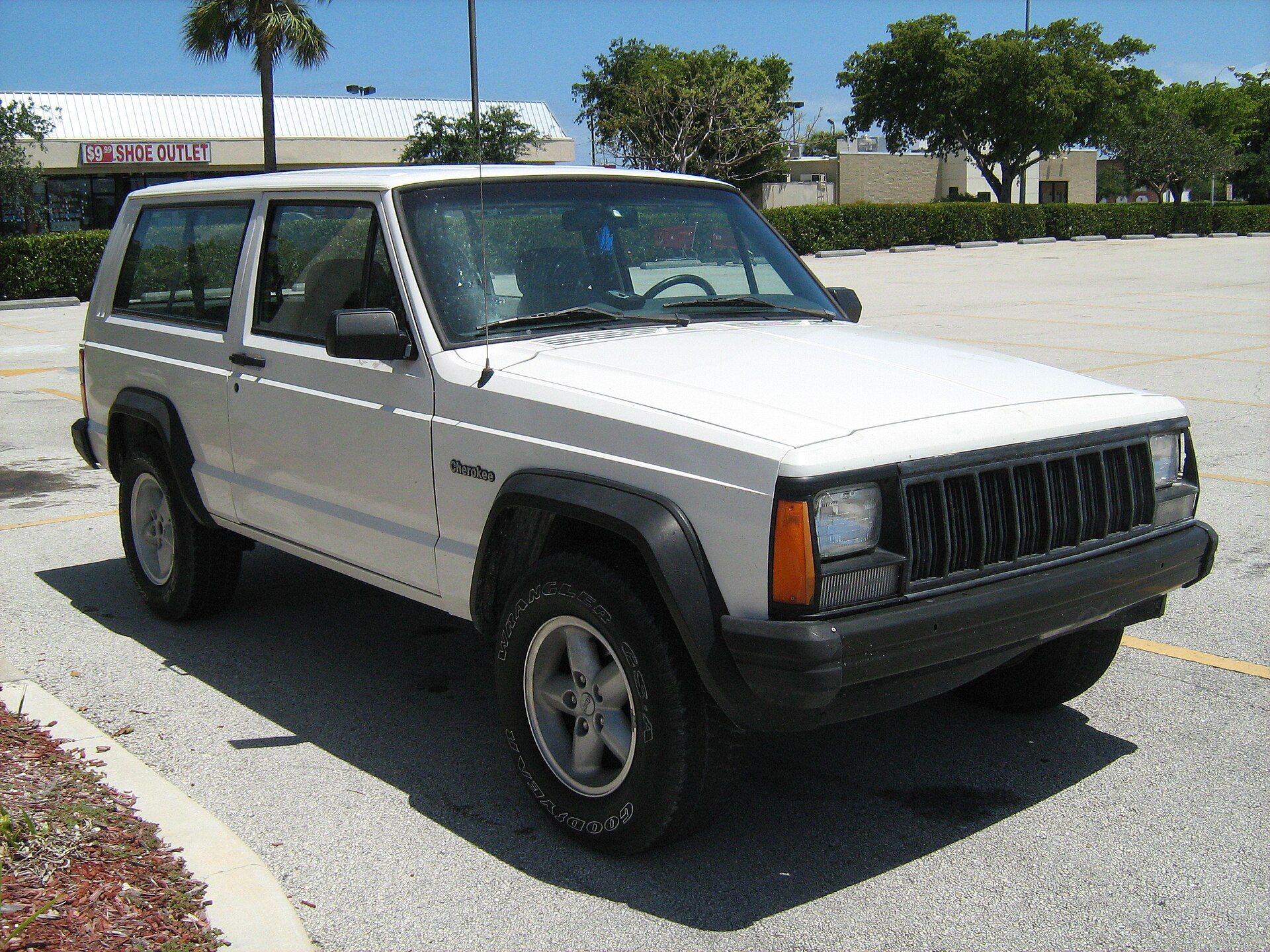
The Jeep XJ Cherokee (1984–2001) is the restomod darling of 2026, and for good reason. It's the first compact SUV built with unibody construction, which means it's lighter and more rigid than body-on-frame rigs, yet strong enough to handle serious off-road duty or a modern V8 swap. The XJ's simple, honest design has aged beautifully, and the aftermarket support is enormous—you can find parts, kits and advice faster than you can say "mall crawler."
Why the XJ is the perfect restomod base
The unibody chassis is the game-changer. Unlike the full-size SJ Cherokee before it, the XJ doesn't flex like a pickup bed; it's stiff and responsive. That matters when you're bolting in a modern engine or upgrading the suspension. The XJ also sits lower and narrower than the SJ, so it fits in parking spots and feels less like a truck—but it still goes anywhere a truck does.
Get it: Jeep XJ Cherokee Restoration & Modification Guide on Amazon (Comprehensive reference for buyers evaluating XJ models, rust inspection, and restomod planning decisions)
Engine swaps are straightforward. The factory 2.5L four-cylinder and 4.0L straight-six are proven, but builders drop in LS V8s, crate 5.0L Coyotes, and even turbocharged four-bangers. The engine bay has room, the frame is strong, and the community has documented every swap a hundred times over. Modern fuel injection, EFI harnesses and standalone ECUs are cheap and reliable.
Parts availability is unmatched. Suspension upgrades, brake kits, interior trim, weatherstripping, gaskets—all still in production or readily available used. The XJ didn't go away; it's still being restored and modified by thousands of guys every year.
Which model years to hunt for
The best restomod candidates are 1994–2001 models. The early XJs (1984–1993) had carburetors or less reliable fuel injection; the later models got fuel-injected 4.0L engines and better electrical systems. Look for 1997–2001 if you can—those got improved transmissions (the AW-4 automatic or NV3550 manual) and more robust internals.
Two-door vs. four-door is a personal call. Two-doors are lighter, sportier and easier to modify; four-doors are practical and feel more like a daily driver. Both are equally capable. Four-wheel drive is standard for restomods, but two-wheel-drive models are cheaper to buy and lighter to build if you're going for a street machine rather than a trail rig.
Rust spots to inspect before you buy
The XJ is decades old now. Rust is the killer. Check these areas carefully:
- Floor pans and frame rails: The most common failure point. Get under the truck with a flashlight and a screwdriver. Poke the metal along the frame rails, under the doors, and inside the cargo area. Surface rust is cosmetic; holes or soft metal mean major work.
- Rocker panels: The area between the front and rear wheels. Salt and moisture sit here. If they're rotted through, the structural integrity is compromised.
- Tailgate and liftgate: Water collects and rusts from the inside out. Open it and look for bubbling paint or soft spots.
- Wheel wells: Check the inner fender and the area where the fender meets the door. Rust here spreads fast.
- Undercarriage: Ask the seller for a lift or get the truck on a hoist yourself. Look for rust on the differential, transfer case, and suspension components. Some surface rust is normal; active corrosion is a red flag.
If the XJ has been in the Northeast, Midwest or anywhere salt is used in winter, expect more rust. Southern and Western examples are usually cleaner. Don't buy a rusty floor pan thinking you'll fix it—that's a professional-level job that costs real money.
What to check mechanically
Engine and transmission: Start it cold. It should fire quickly and idle smoothly. Listen for ticking, knocking or rough running. The 4.0L is nearly bulletproof; the 2.5L four-cylinder is adequate but less loved. Manual transmissions (AX-5, AX-15, NV3550) are stronger than automatics. The AW-4 automatic is solid but can be tired after high mileage.
Cooling system: The XJ is prone to overheating. Check the radiator for leaks or corrosion. Peek at the coolant—if it's brown or rusty, the system needs flushing or a new radiator.
Suspension and steering: Bounce each corner. It should settle after two bounces, not keep bouncing. Check for worn ball joints (grab the tire and shake it). The steering should be tight, not sloppy. Listen for clunks over bumps.
Brakes: The XJ has small brakes by modern standards. Check pad thickness and listen for grinding. Drums in the rear can be weak; many restomods upgrade to four-wheel discs.
Interior: Dash cracks are cosmetic; electrical gremlins are common but fixable. Test all switches, lights, gauges and the HVAC. The XJ's wiring is simple compared to modern trucks, so troubleshooting is easier.
Realistic build budget
A clean XJ in good shape costs what the market will bear—check eBay sold listings, Bring a Trailer and Craigslist to see what examples are selling for in your area. Hagerty's valuation tool can give you ballpark figures for different model years and conditions.
Budget separately for the restomod work. A basic refresh (new paint, interior trim, modern stereo, suspension lift) runs into five figures. A serious build with an engine swap, frame-off restoration, custom fabrication and modern brakes can easily exceed that. The beauty of the XJ is that you can do it in stages: buy the truck, drive it while you save, then upgrade piece by piece.
Avoid examples that need structural work (floor pans, frame rails) unless you're comfortable doing it yourself or have deep pockets. That's where restomod budgets blow up.
Where to find parts and community
The XJ has a massive aftermarket. Companies like Rough Country, Teraflex and Warn make suspension, lighting and recovery gear. Interior panels, weatherstripping and trim are available from reproduction suppliers. Online forums and Facebook groups are packed with builders sharing their work, answering questions and selling used parts.
The XJ community is welcoming and knowledgeable. If you're stuck, ask—someone has already solved your problem and documented it.
Quick answers
Is a 1984–1993 XJ worth buying for a restomod?
Yes, but the earlier models have carburetors or basic fuel injection and older electrical systems. If you find a clean example cheap, the fuel injection can be upgraded to modern EFI. Later models (1994–2001) are easier starting points.
How do I check for hidden rust before I buy?
Get under the truck with a screwdriver and poke the floor pans, frame rails, rocker panels and wheel wells. Soft metal or holes mean major repair costs. Have a mechanic lift it if you're serious about the purchase.
Can I really swap a V8 into an XJ?
Yes. The engine bay has room, the frame is strong, and the community has documented LS, Coyote 5.0L and other swaps extensively. Fuel injection and wiring harnesses are affordable and reliable.
What's a realistic total cost for a restomod?
That depends on your goals. A basic refresh (paint, interior, suspension lift, modern stereo) runs into five figures. A serious build with an engine swap and custom fabrication can exceed that. Do it in stages and avoid trucks that need structural work.
Was this worth your time?





Sound off
Disagree all you want, swear if you have to (we'll #@$%! it out). No harassment, slurs, threats, spam or links. Comments are screened before they appear, and you'll get a daily heads-up when the conversation picks up. Your email is never shown.