
Nissan 300ZX buying guide: what to inspect before you buy
Know what to look for to avoid turning a bargain into a money pit.
This story has affiliate links. If you buy through them, Radazoid may earn a commission at no cost to you. How that works.
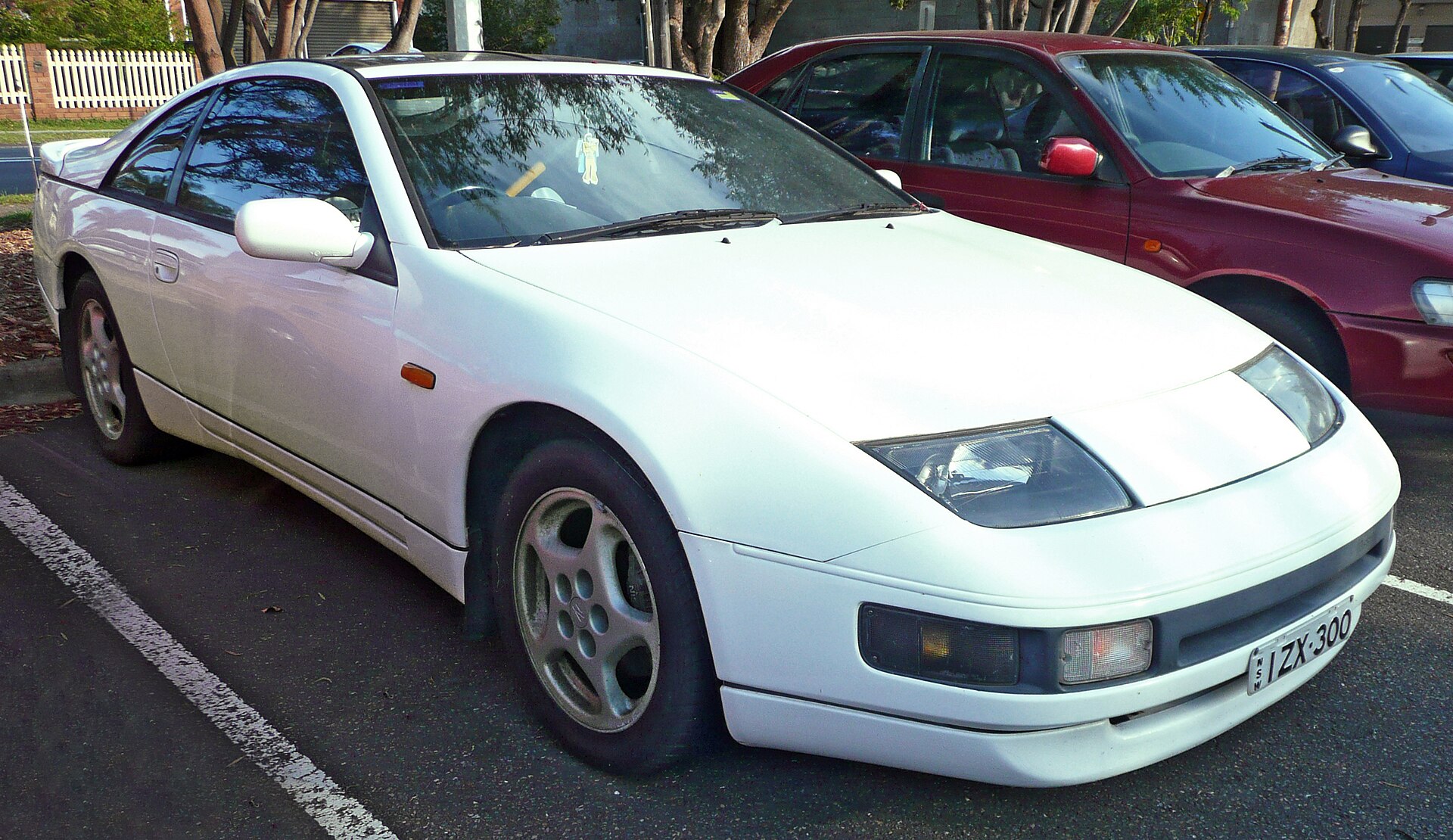
The Nissan 300ZX came in two generations: the Z31 (1983–1989) and the Z32 (1990–1996 in the US). Both are solid buys if you find a clean example with service history. The Z31 is simpler and cheaper; the Z32 is faster, more advanced, and more expensive to fix. Either way, walk away from anything with mystery miles, a rough idle, or interior panels held together with hope.
Z31 vs. Z32: Which generation should you buy?
The Z31 (1983–1989) offered multiple engine options including turbocharged and naturally aspirated versions. It's the more straightforward car: simpler electronics, fewer turbo variants to worry about, and parts are cheaper.
Get it: Nissan 300ZX Z32 Die-Cast Model Car on Amazon (A collectible replica of the car you're shopping for—perfect desk display while hunting for your real Z.)
The Z32 (1990–1996) brought updated tech, a harder price tag, and more power. It's quicker and handles better, but it's also more complex. Car and Driver placed it on its Ten Best list for multiple consecutive years it was available in the US, which tells you Nissan built something special. Turbo cars demand respect: if the previous owner skipped oil changes, you'll pay for it. A well-maintained Z32 is a steal. A neglected one is a money pit.
Engine and turbo health: the non-negotiables
Start the engine cold and listen. A rough idle, any hesitation on startup, or a check-engine light means walk. Listen for valve noise or any metallic clatter—both are red flags.
On turbo cars, ask for full service records. Turbos live hard; they need fresh oil on schedule or they fail catastrophically. If the seller can't show you receipts, assume the worst. Take it to a pre-purchase inspection by someone who knows these cars—not a quick tire-kicker, but a real diagnostic.
Check for boost leaks: listen for a hissing sound under load, and look for oil residue around turbo seals and intercooler connections. Leaks mean the turbos aren't working right and repairs are expensive.
Transmission, cooling and common wear points
Both generations came with five-speed manuals or four-speed automatics. The manual is the driver's choice; the automatic is fine if it shifts smoothly. Listen for grinding on cold shifts or any hesitation. Automatics that slip or hunt for gears need a rebuild.
The cooling system is critical. These cars run hot, especially turbos. Look for coolant stains around hose connections, the radiator, and the water pump. Feel the radiator hoses—they should be firm, not soft or mushy. An overheating Z will cost you a head gasket or worse.
Check the clutch on manuals: does it engage smoothly or does it chatter? A worn clutch is an easy fix, but it tells you whether the car was driven hard or babied.
Interior, electronics and cosmetic red flags
The interior ages. Look for cracked dashboard panels (common), peeling leather on the seats, and worn steering wheel leather. These are cosmetic but expensive to fix. Check that all gauges work, the climate control blows hot and cold, and the power windows and locks operate.
T-top cars: make sure the removable panels fit tight and don't rattle. Check for water stains on the headliner or carpet—leaks are a nightmare to trace and fix.
Test the air conditioning. These cars are old; the AC may need a recharge, but it should blow cold. If it's dead, factor in a compressor replacement.
Chassis, suspension and brake inspection
Get under the car and look for rust. Surface rust is normal; structural rust is a deal-killer. Check the undercarriage for evidence of accidents—bent frame rails, welded patches, or misaligned panels.
Spin the wheels and listen for grinding (bad wheel bearings). Push down on each corner and feel the suspension—it should be firm and controlled, not wallowy or bouncy. Worn shocks and struts are common and not expensive to replace, but they affect how the car drives.
Brake pads and rotors: ask when they were last replaced. These cars stop hard; wear is normal. If the seller says "never replaced," that's either a lie or the car barely runs.
Checking values and finding the right deal
Use Hagerty's valuation tools to see what similar cars sold for recently. Check eBay sold listings for your model year, mileage and condition. A Z32 with full service records, low miles and a clean interior will command more than a neglected example, even if both run.
The Z32 is hotter in the collector market right now, but a clean Z31 is still a bargain. Either way, budget for maintenance: these cars are decades old. Plan on fresh fluids, a coolant flush, new spark plugs, and a brake inspection before you drive it hard.
A well-maintained 300ZX is a legitimate sports car that still turns heads and still teaches you how to drive. Don't overpay for a project car and don't cheap out on the inspection. The right Z32 or Z31 is out there—just make sure it's the right one.
Quick answers
What's the difference between Z31 and Z32?
The Z31 (1983–1989) is simpler, cheaper and came with multiple engine options including naturally aspirated and turbocharged versions; the Z32 (1990–1996) is more refined and faster, but more complex and expensive to maintain. Both are solid buys with proper service history.
What engine problems should I watch for?
On turbo cars, neglected oil changes cause turbo failure. Check for rough idle, valve noise, or boost leaks. A cold start should be smooth; hesitation or a check-engine light means walk.
How do I know if it's been in an accident?
Get under the car and look for bent frame rails, welded patches, misaligned panels, or structural rust. Have a pre-purchase inspection done by someone who knows these cars.
Where do I check market values?
Use Hagerty's valuation tools and check eBay sold listings for your model year, mileage and condition. A car with full service records will sell for more than a neglected one.
Was this worth your time?










Sound off
Disagree all you want, swear if you have to (we'll #@$%! it out). No harassment, slurs, threats, spam or links. Comments are screened before they appear, and you'll get a daily heads-up when the conversation picks up. Your email is never shown.