
Lamborghini Countach buying guide: generations, what to check, and market values
The poster car is now a six-figure investment—here's how to buy one without getting burned.
This story has affiliate links. If you buy through them, Radazoid may earn a commission at no cost to you. How that works.
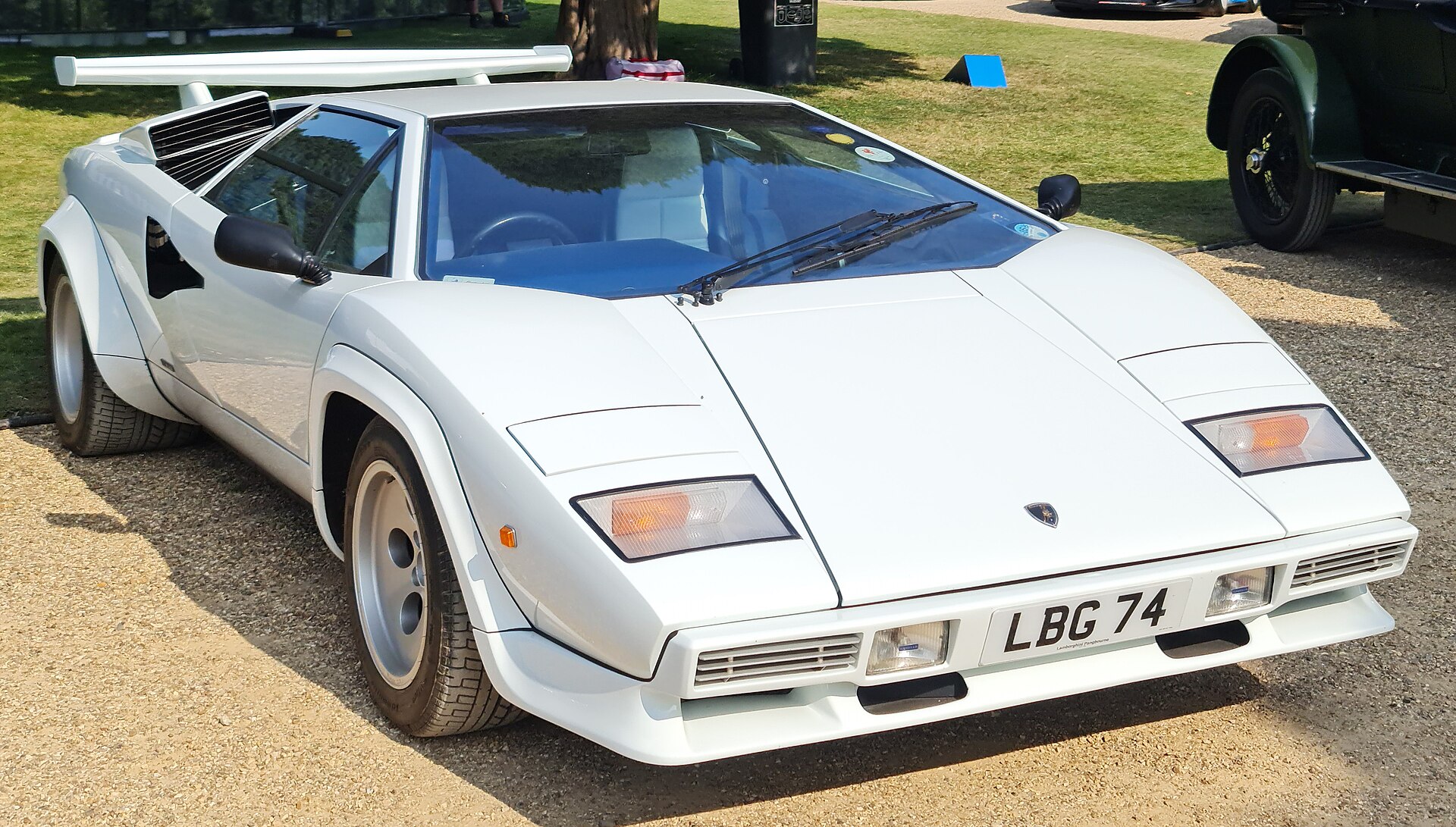
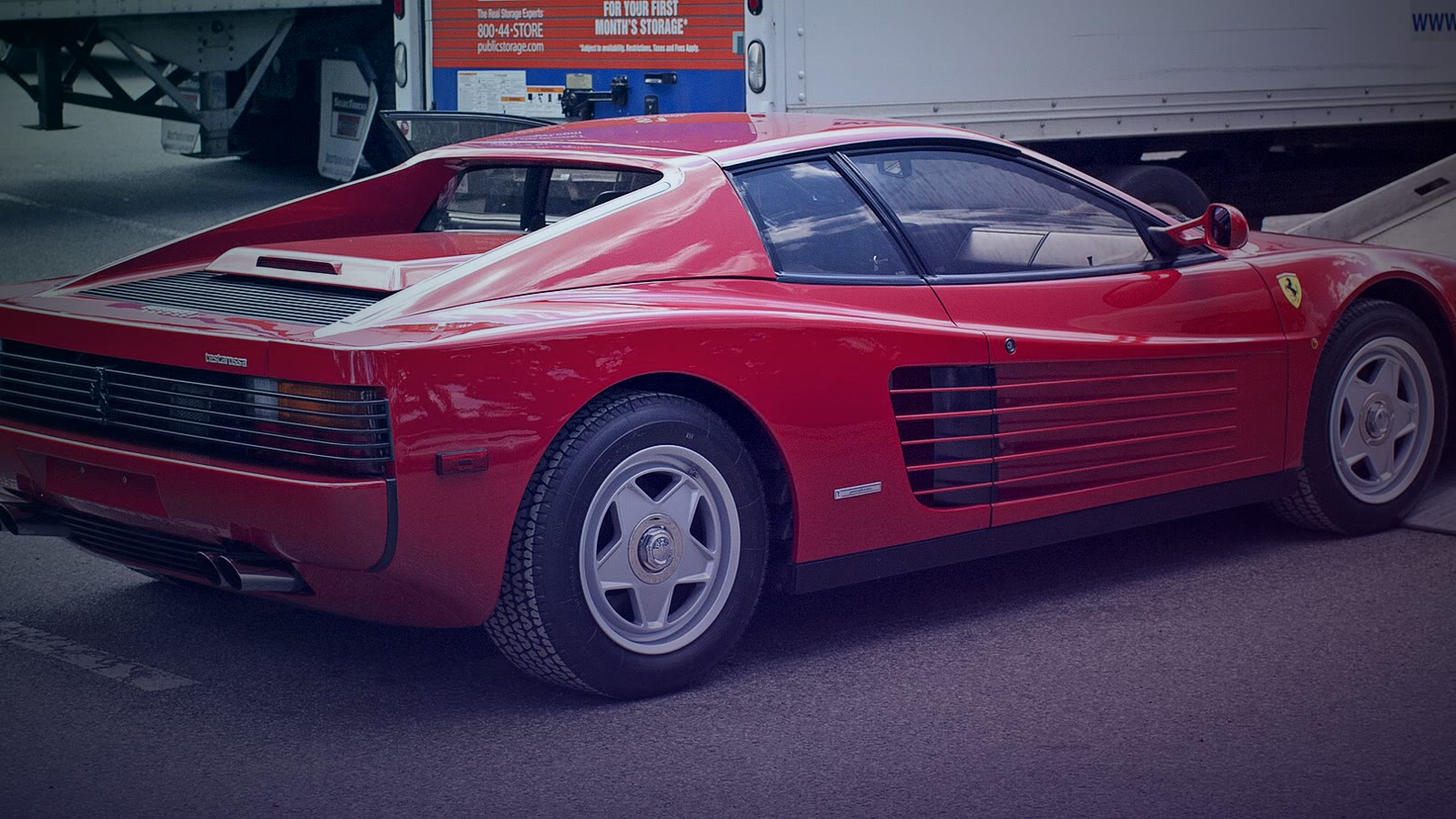
The Lamborghini Countach is the supercar that defined the 1980s—the one that hung in your garage next to the Farrah Fawcett poster and the Ferrari Testarossa from Miami Vice. Produced from 1974 to 1990, it popularized the Italian Wedge shape in production cars, a design language pioneered by Marcello Gandini and Bertone in concept cars like the Lancia Stratos Zero. It's brutal, angular, impractical and absolutely gorgeous—which is why prices have climbed hard in recent years. If you're serious about buying one, you need to know what you're looking at.
The generations: LP400, LP400 S, LP500 S, 5000 QV and 25th Anniversary
The first Countach, the LP400, debuted in 1974 with a V12 and a 5-speed manual. It's the rarest and most desirable—built in limited numbers before Lamborghini moved to the LP400 S, which added a larger engine and more power. The LP500 S arrived in 1982 with an even bigger displacement and better cooling. These early cars are narrow, lightweight and visceral; they're also cramped, hot and loud in ways that modern owners either love or regret.
Get it: Lamborghini Countach: The Complete Story on Amazon (Deep dive into the Countach's history, design, and generations—essential reading before dropping six figures on one)
In 1985, Lamborghini introduced the LP5000 Quattrovalvole (5000 QV), a major overhaul with a 5.2-liter engine, four valves per cylinder, better aerodynamics and wider bodywork. It's faster, more refined and easier to live with than the earlier cars. The 25th Anniversary Edition (1988–1990) was the final evolution, with updated styling and the most powerful engine of the run.
Buying tip: earlier cars command higher prices per unit and draw purists; later cars are more drivable and cost less. The 5000 QV is the sweet spot for most buyers who actually want to use the car.
What to check before you buy
- Engine condition. Countach V12s are robust, but they're old. Get a pre-purchase inspection from a Lamborghini specialist. Check for oil leaks, valve cover gasket seepage, and coolant seepage around the block. A full rebuild is five figures.
- Transmission. The 5-speed manual is strong but notchy. Listen for grinding, whining or difficulty shifting. Rebuilds are expensive and require dropping the engine.
- Cooling. Early Countaches ran hot. The later cars are better, but overheating is still a risk if the radiator, fans or thermostat are neglected. Ask the seller for service records.
- Rust and corrosion. The aluminum body resists rust, but the steel frame underneath doesn't. Check under the car, around the door hinges, and inside the engine bay for surface corrosion or pitting. Scissor door hinges are a common weak point.
- Interior wear. Seats, dash trim and door panels fade and crack. Replacement parts are hard to find and expensive. Look for originality or accept that restoration costs money.
- Mileage and service history. Low mileage is good, but a car that sat for years without running is worse than one that was driven and maintained. Ask for receipts. A Countach that hasn't been serviced in a decade will need work before you drive it.
- Provenance. Verify ownership history, accident reports and any major repairs. A well-documented car with service records is worth a premium.
Where to find current market values
Countach prices have climbed steadily, especially for low-mileage early cars and the 25th Anniversary Edition. To check what they're selling for right now, use Hagerty's valuation tools (they track collector car sales and auction results), search eBay sold listings for recent sales, and monitor Bring a Trailer auctions, which show real hammer prices for documented examples. Auction results are public and give you the truest picture of the market.
Early LP400 and LP400 S cars in good condition typically command the highest prices; later 5000 QVs are less expensive but still strong. Mileage, condition, service history and originality matter hugely. A barn-find with unknown history will sell for far less than a well-maintained car with documentation.
Buying from a dealer, auction or private seller
Reputable Lamborghini specialists and auction houses (Bring a Trailer, RM Sotheby's, Gooding & Co.) offer buyer protection and verified documentation. Private sales are cheaper but riskier; you're responsible for inspection and verification. Dealers fall somewhere in the middle—they often have cars that have been checked and serviced, but you'll pay for that peace of mind.
No matter where you buy, hire an independent Lamborghini specialist to inspect the car before you commit. The inspection fee is cheap compared to the cost of buying a problem car.
Is it an investment or a toy?
Countaches have appreciated because they're rare, iconic and increasingly sought by collectors. But don't buy one expecting to make money. Buy it because you love it, you can afford to maintain it, and you're willing to accept that it might sit in your garage for months at a time—these cars need to run regularly, and they're not daily drivers. Insurance, storage, maintenance and the occasional major repair will add up fast. If you can live with that, a Countach is worth every penny.
Quick answers
Which Countach generation should I buy?
Early LP400 and LP400 S cars are rarest and most desirable but cramped and hot; the 5000 QV is more refined and drivable; the 25th Anniversary is the final and most powerful evolution. Choose based on your budget and how much you want to use the car.
How do I know if a Countach has been in an accident?
Get a pre-purchase inspection from a Lamborghini specialist and request the full ownership and service history. Check Carfax or similar reports if available; many European cars have less documentation than American cars. Ask the seller directly and verify with photos and records.
What's the most common thing that breaks on a Countach?
Cooling system issues, oil leaks from valve covers, and transmission synchro wear are the most frequent problems. Regular maintenance and a specialist's care prevent most of them.
Can I drive a Countach as a daily driver?
Technically yes, but most owners don't. They're loud, hot, cramped and thirsty. They're best enjoyed as a weekend or show car that gets driven to events and back home.
Was this worth your time?




Sound off
Disagree all you want, swear if you have to (we'll #@$%! it out). No harassment, slurs, threats, spam or links. Comments are screened before they appear, and you'll get a daily heads-up when the conversation picks up. Your email is never shown.