
The muscle car: birth, death and resurrection
How American muscle cars ruled the road, nearly vanished, and came roaring back.
This story has affiliate links. If you buy through them, Radazoid may earn a commission at no cost to you. How that works.
The muscle car didn't start with a famous name or a marketing plan. It started with a simple idea: take your biggest, most powerful engine, drop it into a smaller, lighter, cheaper car, and see what happens. That formula, born in 1949 with the Oldsmobile Rocket 88, became the DNA of American performance for the next sixty years.
The 1949 Oldsmobile Rocket 88: How it all started
General Motors took a powerful V8 from the luxury Oldsmobile 98 and bolted it into the lighter Oldsmobile 76. The result was a car that could move. The Rocket 88 proved that raw displacement in a lighter package beat everything else on the track. Other makers watched and learned. Chrysler answered with the 1955 C-300, advertised as "America's Most Powerful Car," and the formula was locked in: power, affordability, and no apologies.
Get it: Muscle Car Madness: The Golden Era on Amazon (Deep dive into the 1960s-70s golden age that defined the muscle car legend and culture)
The golden age: 1960s muscle cars defined a generation
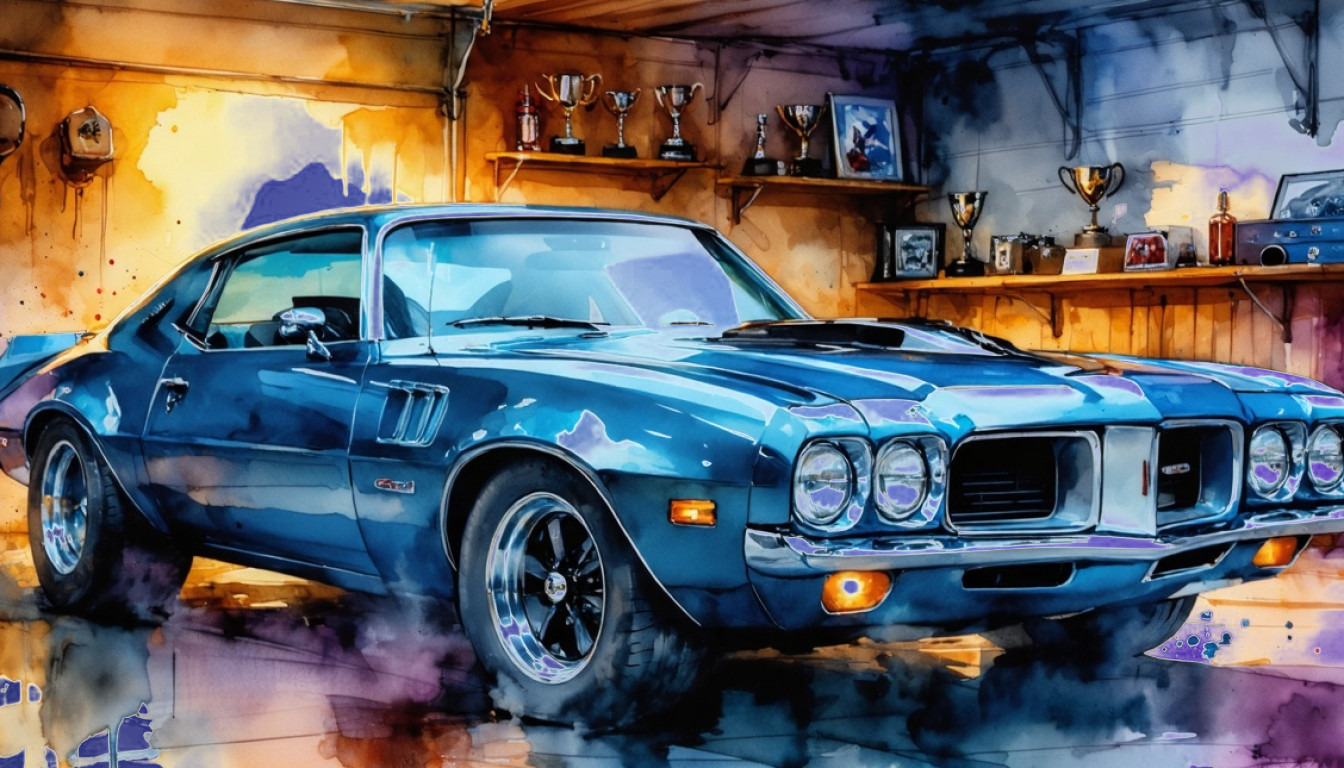
The term "muscle car" showed up in car magazines in the mid-1960s and stuck. The 1964 Pontiac GTO is often credited with launching the true muscle car era—a mid-sized car with a powerful V8, styled to turn heads, priced to sell. Chevrolet's 396 Chevelle, Oldsmobile's 442, and Buick's Gran Sport followed. By 1968, Chrysler's Plymouth Road Runner and Dodge Super Bee took the formula further: strip out the luxury trim, keep the engine, undercut the price, and let the numbers speak. Ford's Mustang, Chevrolet's Camaro, and Plymouth's Barracuda—the pony cars—could be ordered with muscle car engines and attitude, blurring the line between categories. These weren't exotic cars for the rich. They were what a working guy could buy, park in his driveway, and drive hard on the weekend.
The 1970s: emissions, insurance and the slow fade
The party didn't last. By the early 1970s, federal emissions regulations began tightening. Insurance companies looked at horsepower and raised rates. Gas prices climbed. The muscle car's golden age ended in the early 1970s. Automakers kept the names and the styling, but the engines got smaller, the power dropped, and the magic faded. A mid-1970s Pontiac GTO wasn't the same animal as a 1970 GTO. Guys who loved cars felt the difference. The muscle car seemed dead, killed by regulation and economics.
The 1980s comeback: Fox Body Mustang, Grand National and the horsepower wars restart
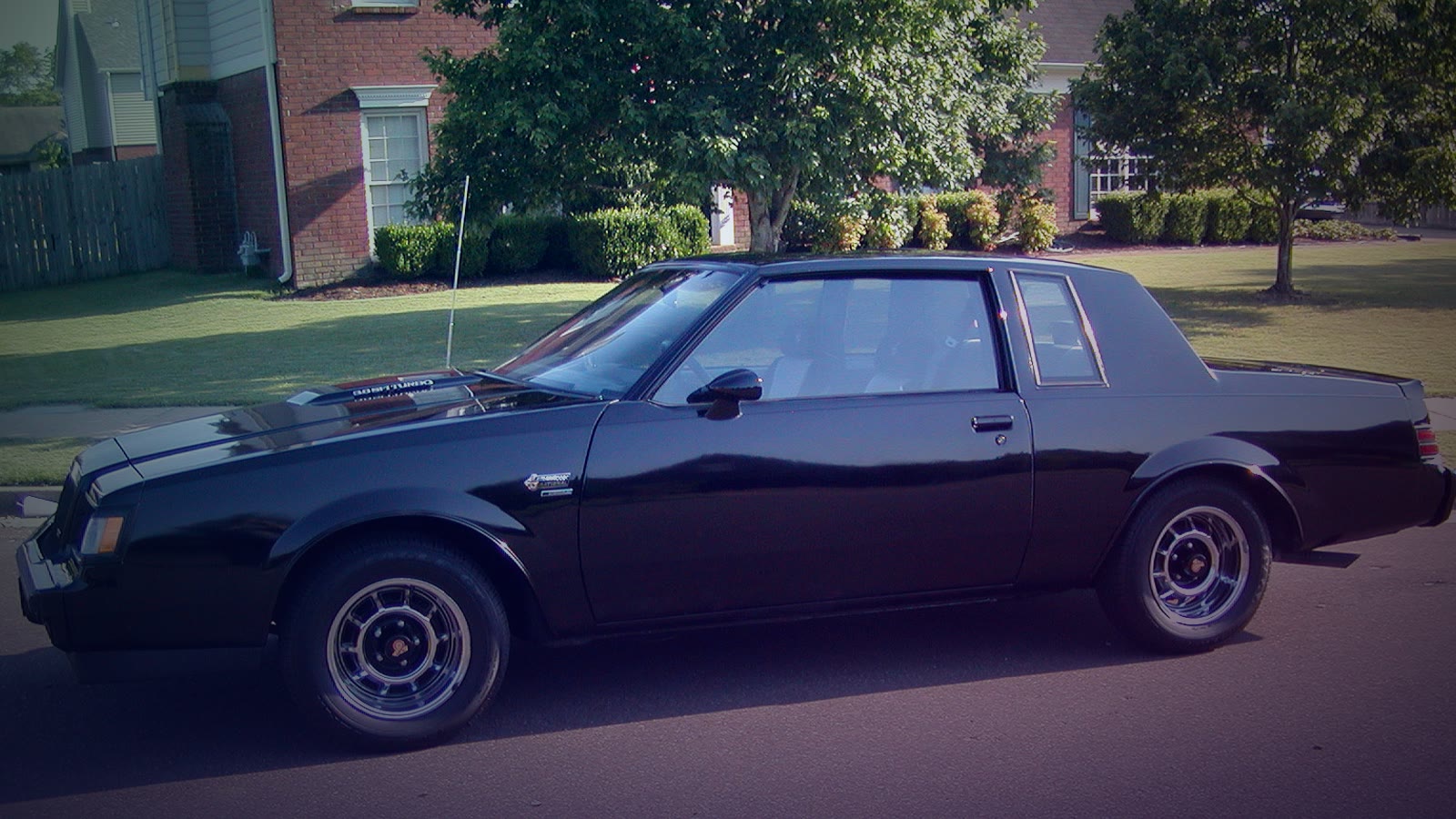
In the early 1980s, something shifted. Fuel injection and computer engine management made power and efficiency compatible again. Ford's Fox Body Mustang, especially with the 5.0 V8, proved that muscle cars could live in a new era. The Chevrolet Camaro IROC-Z brought back the Camaro as a genuine performance car. But the real shock was the Buick Grand National—a turbocharged sedan from the 1980s that was brutally quick and impossibly understated. It was mean, black, and the kind of car that made Corvette guys nervous. The Shelby Mustang showed that American performance was back. By the late 1980s, the horsepower race had restarted, and this time it wouldn't stop.
Modern muscle cars: Dodge, Chevrolet and the last of the V8s
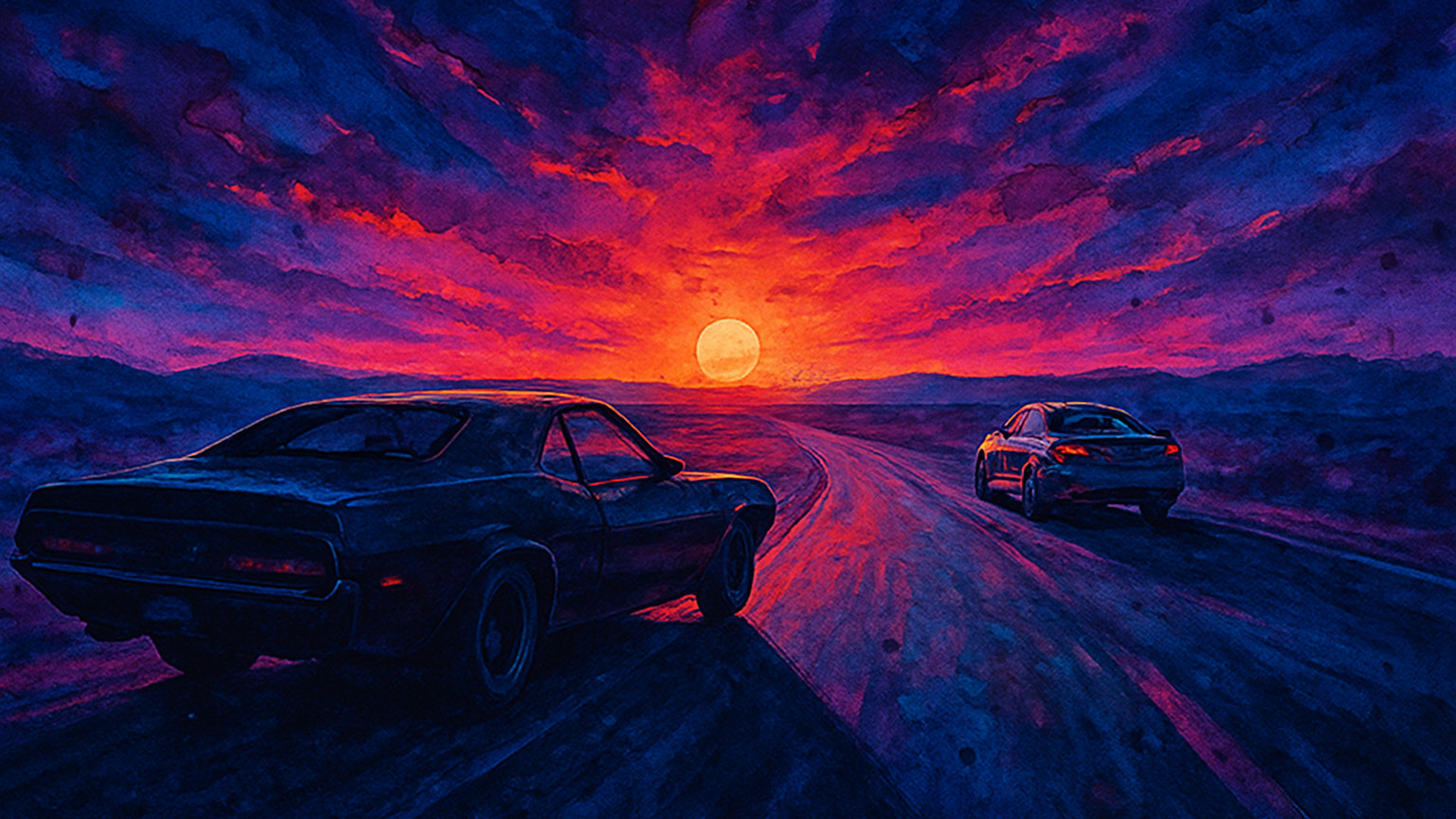
The Dodge Challenger and Charger brought back the muscle car name and attitude in the 2000s. Chevrolet's Camaro returned in 2009. The Dodge Demon, the Hellcat Charger, the Camaro ZL1—modern muscle cars pushed power numbers that would have seemed impossible in the 1970s. These weren't subtle. They were loud, fast, and unapologetic about what they were: American muscle, updated for the 21st century. They proved that the formula still worked: a big V8, rear-wheel drive, a two-door body, and the willingness to use all that power on the street. The muscle car never really died. It just waited for the world to remember why it mattered.
What makes a muscle car a muscle car?
The definition matters less than the feeling. A muscle car is an American-made two-door coupe with a powerful engine, built for straight-line speed and driver engagement. It's not a luxury car or an exotic. It's not a truck. It's a car designed to be fast, affordable enough for regular guys to own, and honest about what it does. Pony cars like the Mustang and Camaro can be muscle cars if they're equipped right. Full-size cars and compacts usually don't qualify. The debate goes on, but the feeling is unmistakable when you see one.
Quick answers
What was the first muscle car?
The 1949 Oldsmobile Rocket 88 is credited as the first true muscle car: a powerful V8 from a luxury model dropped into a smaller, lighter, more affordable body. It proved the formula worked.
When did the muscle car die?
The golden age ended in the early 1970s. Federal emissions regulations, rising insurance rates, and oil price shocks killed the big-engine, cheap-car formula that defined the 1960s.
What brought muscle cars back in the 1980s?
Fuel injection and computer engine management made power and efficiency compatible again. The Fox Body Mustang, Camaro IROC-Z, and Buick Grand National proved that muscle cars could thrive in a new era.
Are muscle cars still made today?
Modern muscle cars have largely faded from production. The Dodge Challenger and Charger, along with the Chevrolet Camaro, have ended their runs. They proved the formula still worked: a big V8, rear-wheel drive, and straight-line speed that respected the original muscle car spirit.
🛒 Turning 50? There’s a birthday poster for that → Radazoid Shop
🖨️ Halloween printables at Printable Barn →
Was this worth your time?




Sound off
Disagree all you want, swear if you have to (we'll #@$%! it out). No harassment, slurs, threats, spam or links. Comments are screened before they appear, and you'll get a daily heads-up when the conversation picks up. Your email is never shown.